Where Safety Meets Expert Tree Service.

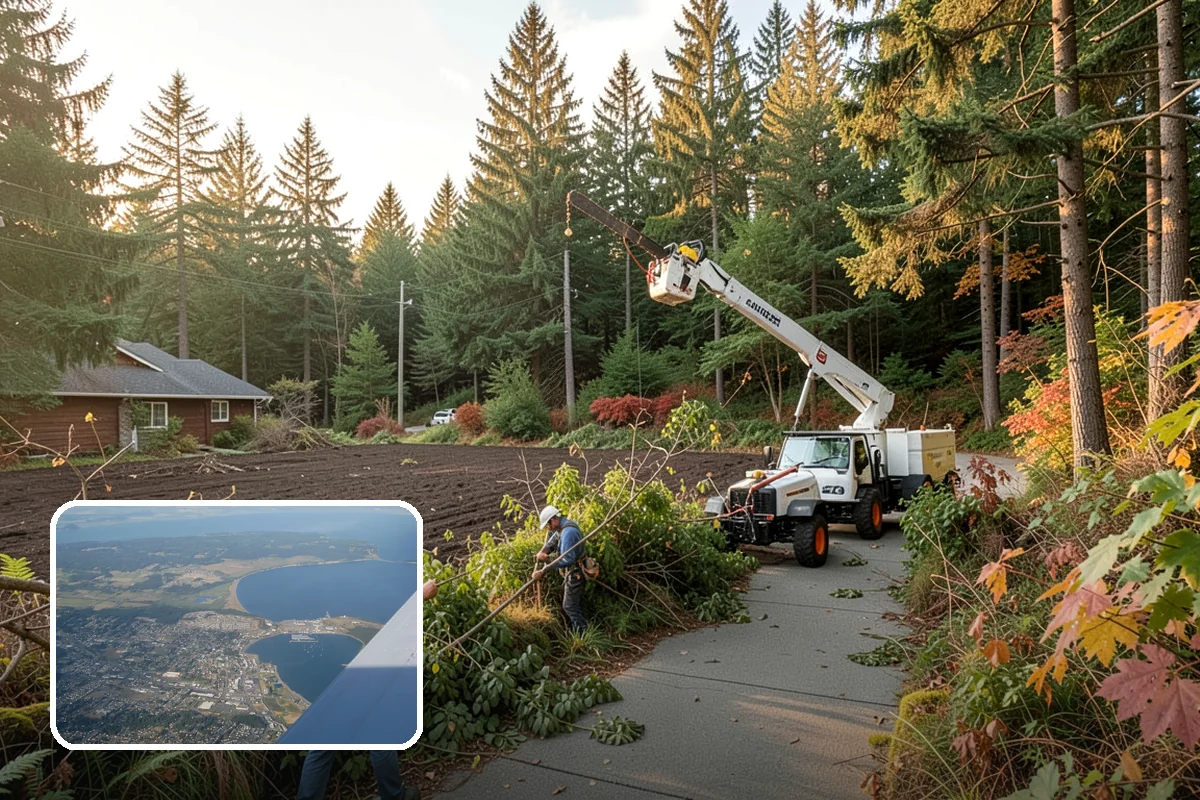
Oak Harbor Diseased tree removal
The removal of trees affected by disease beyond recovery.
About Diseased Tree Removal in Oak Harbor
When a tree on your property is affected by disease beyond recovery, our team can help remove it safely and efficiently. This specialized removal protects nearby healthy trees from infection while clearing away potential safety hazards for you and your family. We work with homeowners throughout the service area to restore peace of mind after an illness has compromised their landscape.
What Oak Harbor Diseased Tree Removal Includes
Diseased tree removal focuses on taking down trees where disease has weakened the structure or threatens to spread further. Our trained crews follow recognized arboricultural standards, tailoring every method to match your specific tree species and site conditions. This service ensures that hazardous limbs are lowered safely while minimizing impact on surrounding areas during the work.
Oak Harbor Diseased Tree Removal Process
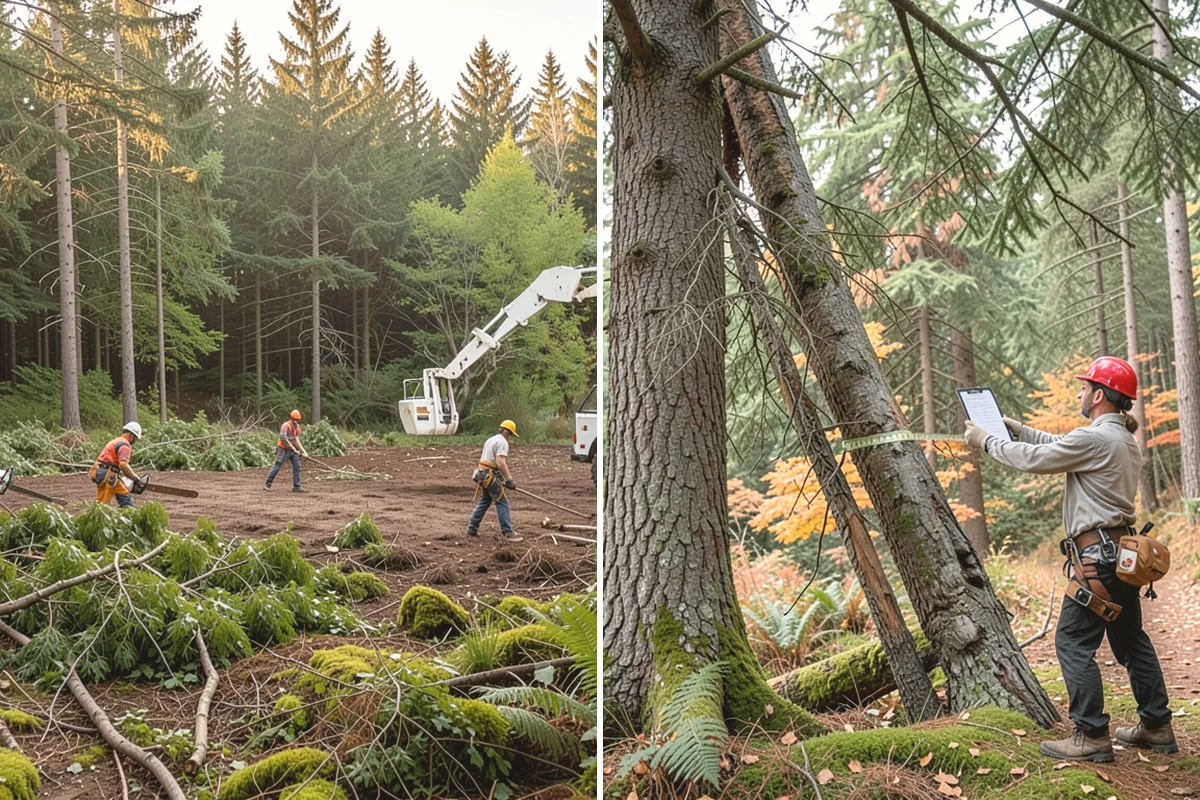
The typical workflow begins with an on-site assessment to evaluate hazards before establishing clear drop zones and safety perimeters. We then rig and lower branches or fell the stem in a controlled sequence, followed by processing the wood and clearing debris from your property. Once all materials are hauled away, we complete final site cleanup to leave your landscape looking tidy again.
Equipment We Use for Oak Harbor Diseased Tree Removal
Our crews utilize chainsaws, climbing gear, and rigging equipment to handle trees of various sizes safely. Depending on access needs and tree location, we may also bring in a wood chipper, aerial lift, or crane as required for the job. Ground protection measures are always used alongside personal protective equipment to keep everyone safe during operations.
Oak Harbor Diseased Tree Removal Safety & Best Practices
Safety is our priority, so we maintain clear drop zones and follow controlled fall paths at all times. Before starting any work, we identify overhead utility lines and inspect trees for hidden decay or structural defects that could affect climbing safety. Coordinated ground communication and proper use of fall protection ensure a secure environment throughout the removal process.
Signs You Need Diseased Tree Removal in Oak Harbor
You may need this service if you notice disease has compromised your tree’s structure or poses a risk to nearby healthy plants. Other indicators include situations where the infection threatens to spread, creating an urgent need for professional intervention before conditions worsen. Recognizing these signs early helps prevent further damage to your property and surrounding vegetation.
What Affects the Cost of Diseased Tree Removal in Oak Harbor
The cost of removal is influenced by factors such as tree size and site access limitations like proximity to structures or power lines. Hidden internal decay severity also plays a role, along with the complexity required for processing wood debris after felling. These variables determine the resources needed to complete your project safely without inventing specific price estimates.
Best Time of Year for Oak Harbor Diseased Tree Removal
Work can be performed year-round in our local climate, offering flexibility when you need urgent removal services completed quickly. However, extra caution is advised during wet seasons due to slippery conditions that may affect rigging operations and ground stability. Planning ahead for these weather patterns helps ensure a smooth and safe execution of your diseased tree project.
Diseased Tree Removal Serving Oak Harbor
Oak Harbor
The largest city on Whidbey Island, near Naval Air Station Whidbey Island.
Growing Conditions in Oak Harbor
Permits & Local Notes for Oak Harbor
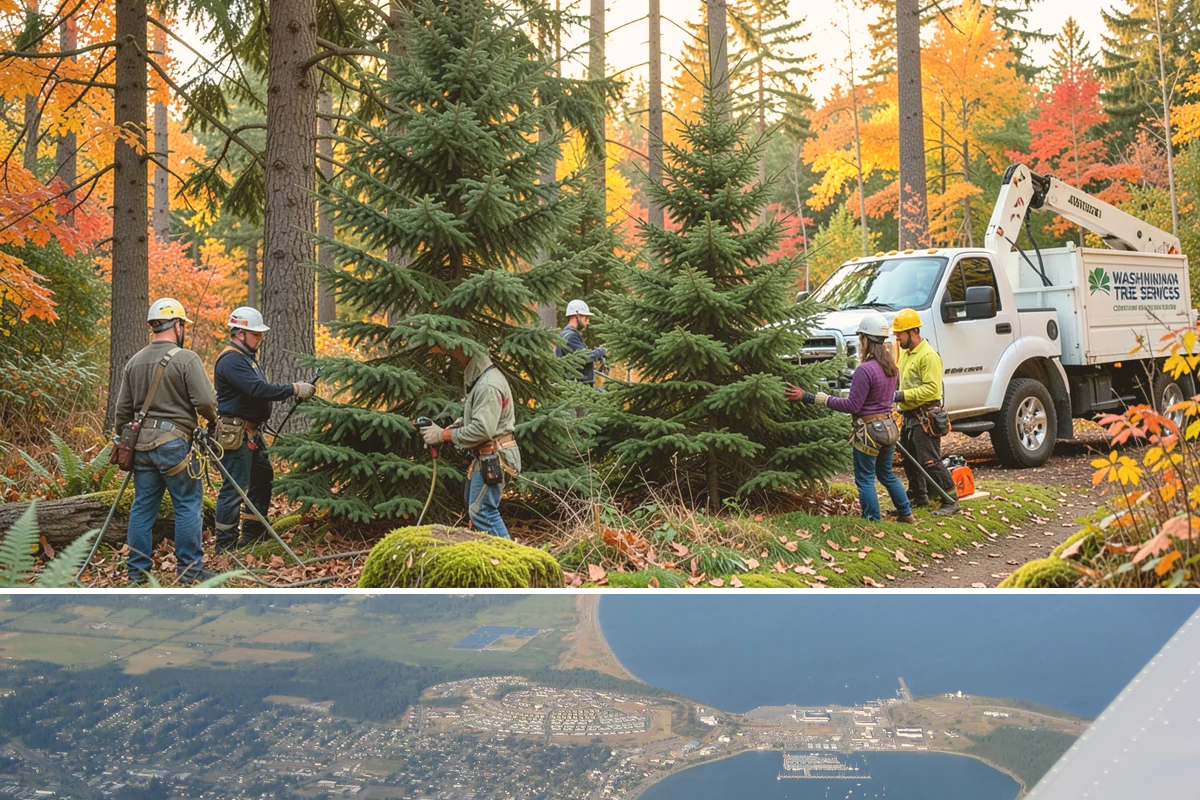
Diseased tree removal in nearby areas
Also serving Oak Harbor
- Fruit Tree Planting in Oak Harborat Washington Landscaping
- Root Pruning in Oak Harborat Washington City Services
- Fallen Tree Firewood in Oak Harborat Washington Firewood