Where Safety Meets Expert Tree Service.

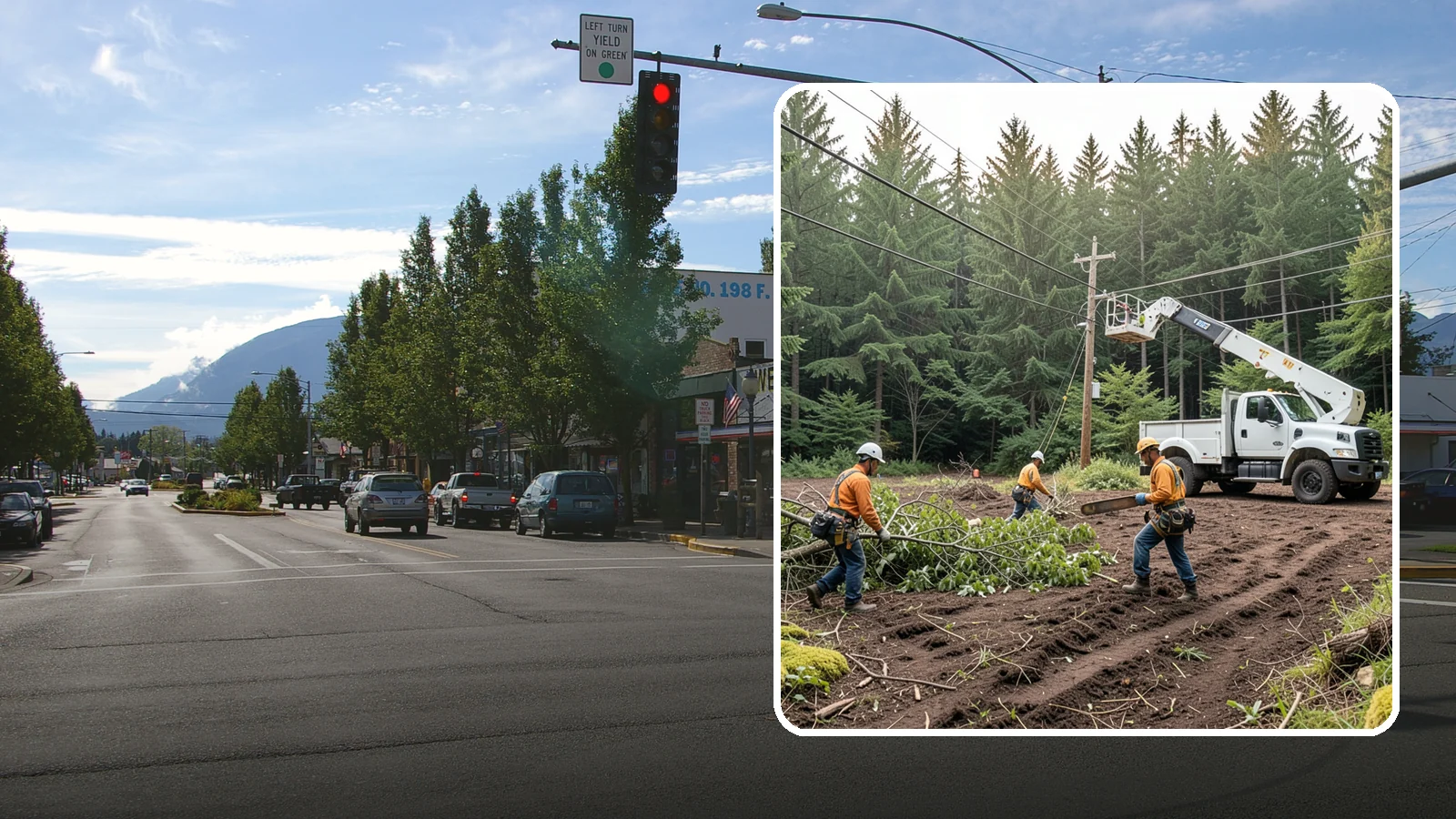
North Bend Utility Vegetation Management
The ongoing management of vegetation around utility infrastructure.
About Utility Vegetation Management in North Bend
Utility Vegetation Management helps keep your property safe by maintaining clear space around utility infrastructure. This ongoing care reduces risks of outages or contact near power lines while improving how usable your land is for daily life. It supports homeowners who want a secure, well-managed landscape without unnecessary hazards.
What North Bend Utility Vegetation Management Includes
This service focuses on the continuous management of plants growing close to utilities to ensure safe clearance distances are kept. Our trained crews follow recognized arboricultural standards and choose methods that match each tree species and site condition. The goal is to reduce outage risks while protecting existing trees and root zones during work.
North Bend Utility Vegetation Management Process
We start by assessing your specific site and marking important features we must protect throughout the job. Vegetation is then cleared in a planned sequence using appropriate techniques for uneven or wet terrain, followed by responsible debris disposal. Finally, we grade or tidy the area as needed to prepare it for its intended use without leaving hazards behind.
Equipment We Use for North Bend Utility Vegetation Management
Our teams utilize brush cutters and chainsaws alongside chippers and hauling equipment to handle various growth types effectively. Hand tools and personal protective gear are also used when precision is required near sensitive areas like property lines or utility poles. This combination of machinery ensures efficient removal while keeping the site safe for workers and neighbors.
North Bend Utility Vegetation Management Safety & Best Practices
Safety begins with identifying all property lines, utilities, and features that must be retained before any cutting starts. We stay alert to uneven terrain and hidden obstacles that could become hazards if debris is not managed carefully throughout the job. Protecting your landscape means we take extra care to avoid damaging trees or root zones while clearing overgrown areas.
Signs You Need Utility Vegetation Management in North Bend
You may need this service when dense, thorny growth blocks access or creates a fire risk on your property. Invasive species that keep regrowing or vegetation encroaching too close to utilities are clear indicators it is time for management work. Uneven ground conditions or wet spots near infrastructure also suggest professional intervention is needed to prevent accidents.
What Affects the Cost of Utility Vegetation Management in North Bend
The price of this service depends heavily on how dense the vegetation grows and whether thorny plants complicate the clearing process. Difficult access conditions around your site will influence costs, as will any special requirements for responsibly disposing of removed debris. Each project is unique, so factors like terrain type and plant species play a significant role in determining the final quote.
Best Time of Year for North Bend Utility Vegetation Management
Work can generally proceed year-round given our favorable Puget Sound climate, allowing us to address vegetation needs whenever they arise. However, we must pause operations during wet seasons when uneven terrain becomes too slippery for safe equipment use. Planning your project outside of heavy rain periods ensures smoother progress and better results for maintaining utility clearance.
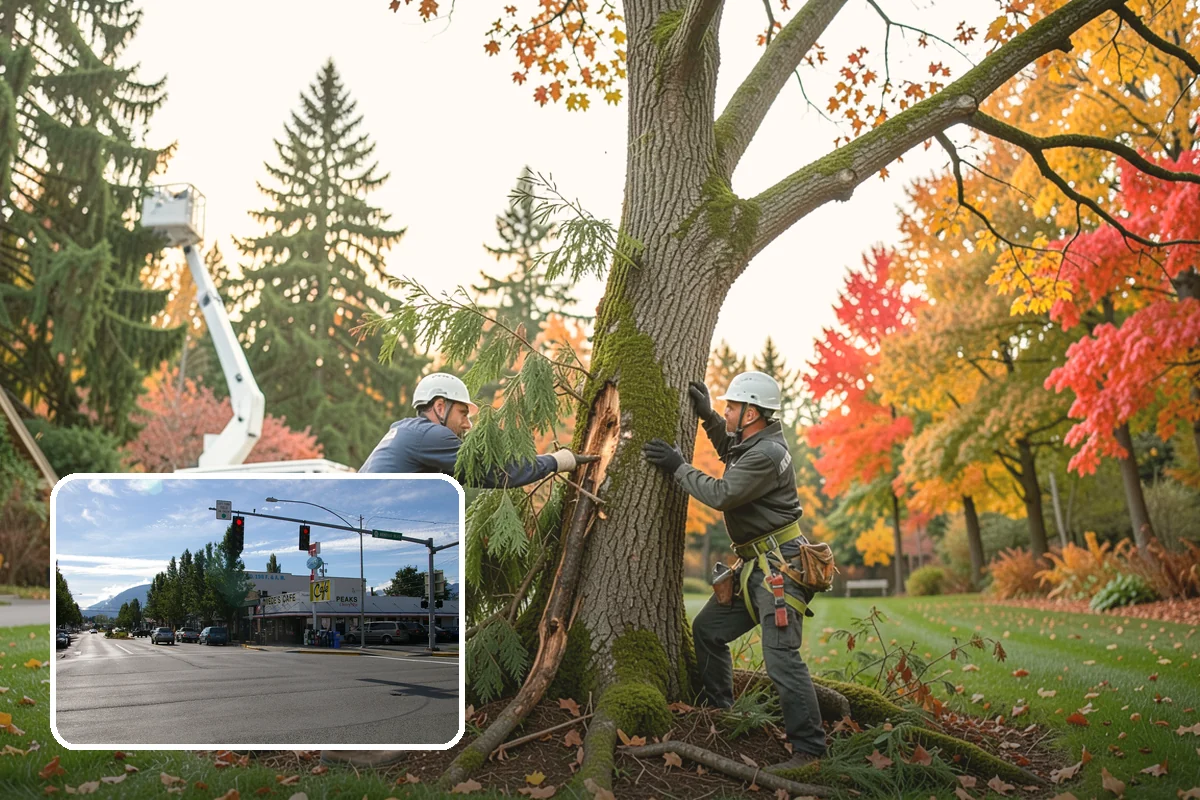
Utility Vegetation Management Serving North Bend
North Bend
A city at the base of Mount Si in the upper Snoqualmie valley, surrounded by mountains and forest.
Growing Conditions in North Bend
Permits & Local Notes for North Bend
Utility Vegetation Management in nearby areas
Also serving North Bend
- Grading for Drainage in North Bendat Washington Landscaping
- Structure Demolition in North Bendat Washington Construction
- Ivy Removal in North Bendat Washington City Services
- Firewood Hauling in North Bendat Washington Firewood