Where Safety Meets Expert Tree Service.


North Bend Emergency storm cleanup
The rapid cleanup of tree damage after a storm.
About Emergency Storm Cleanup in North Bend
When severe weather hits our area, emergency storm cleanup helps restore safety and access quickly after a tree falls or breaks. This rapid response is designed for property owners who need debris removed efficiently following a storm event. Our trained crews are ready to assist you in recovering from the damage caused by wind, rain, or other harsh conditions.
What North Bend Emergency Storm Cleanup Includes
Emergency storm cleanup focuses on clearing downed material and hanging limbs to prevent secondary failures around your home. We match our removal methods carefully to the specific tree species found at your site and current access limitations. This service ensures that dangerous debris is processed and hauled away so you can move forward with repairs.
North Bend Emergency Storm Cleanup Process
Our typical approach begins by assessing immediate hazards and making the area safe for everyone involved. Crews then remove broken branches and fallen trunks while documenting any necessary damage details for your records. Finally, we process the wood at our facility or on-site before hauling it away to leave your property clear.
Equipment We Use for North Bend Emergency Storm Cleanup
We utilize professional chainsaws, rigging gear, and personal protective equipment to handle storm-damaged trees safely. Depending on the size of the job and site access needs, an aerial lift or crane may be brought in as required. Additional tools like a chipper are used to break down wood before it is loaded onto hauling trucks for removal.
North Bend Emergency Storm Cleanup Safety & Best Practices
Storm-damaged trees often remain unstable under load, so we treat every situation with caution until fully secured. Our crews watch closely for hidden utility lines and release tension carefully on bent or pinned material during removal. We also keep bystanders clear of the work zone to ensure everyone stays safe while debris is cleared efficiently.
Signs You Need Emergency Storm Cleanup in North Bend
You may need this service if you see trees under stored tension, downed power lines, or cracks that have partially failed in your yard. Limited access after a storm often signals the need for professional help to navigate safely around hazardous conditions. If hanging limbs threaten structures or block driveways following severe weather, our cleanup team is prepared to respond immediately.
What Affects the Cost of Emergency Storm Cleanup in North Bend
The final cost depends on factors like tree species and specific site conditions where the damage occurred. Access limitations created by fallen debris can also influence how much time and equipment are needed for removal. Additionally, the total volume of debris requiring processing and haul-away will play a significant role in pricing your project.
Best Time of Year for North Bend Emergency Storm Cleanup
This service is available year-round to address severe weather events that occur throughout the Puget Sound region rather than just one season. Whether it happens after an unexpected winter storm or a summer thunderstorm, we are ready to deploy crews when you need them most. There is no specific seasonal restriction on our availability for emergency cleanup needs during bad weather.
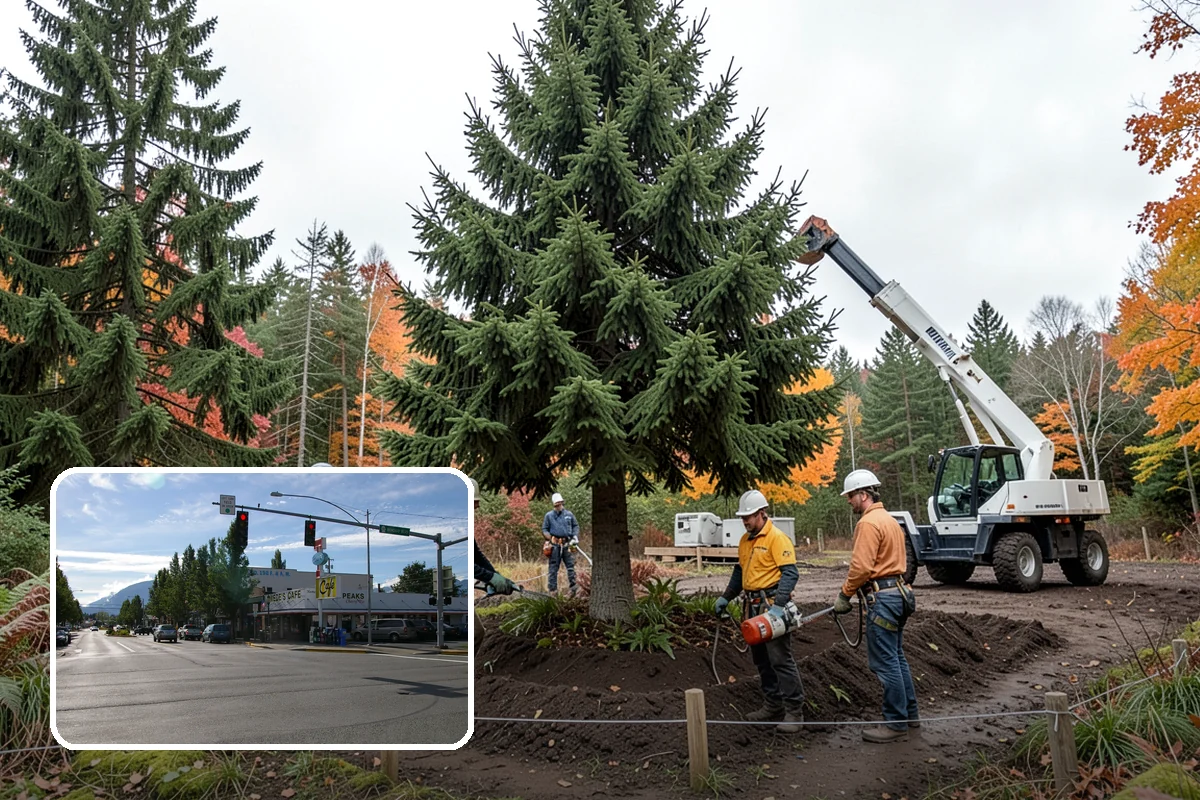
Emergency Storm Cleanup Serving North Bend
North Bend
A city at the base of Mount Si in the upper Snoqualmie valley, surrounded by mountains and forest.
Growing Conditions in North Bend

Permits & Local Notes for North Bend
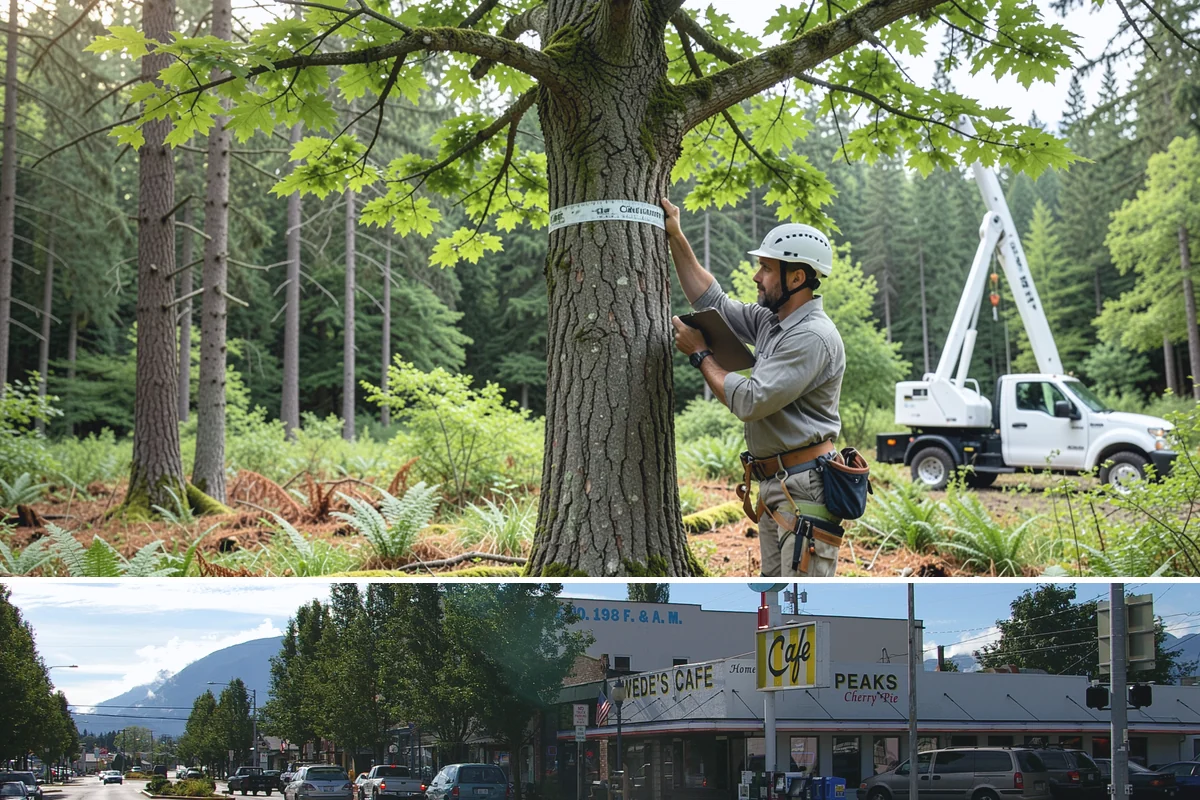
Emergency storm cleanup in nearby areas
Also serving North Bend
- Roof Shrink Wrap in North Bendat Washington Roofing
- Beam Replacement in North Bendat Washington Construction
- Winter Landscape Protection in North Bendat Washington Landscaping