Where Safety Meets Expert Tree Service.
Normandy Park Hazardous tree removal
The controlled removal of trees that pose a safety risk due to structural defects, decay, or dangerous lean.
About Hazardous Tree Removal in Normandy Park
If a tree on your property shows signs of danger, our team is here to help you remove it safely. This specialized service protects people, homes, and utilities from trees that have become unstable or decayed. We work with homeowners across the region who need immediate attention for hazardous conditions.
What Normandy Park Hazardous Tree Removal Includes
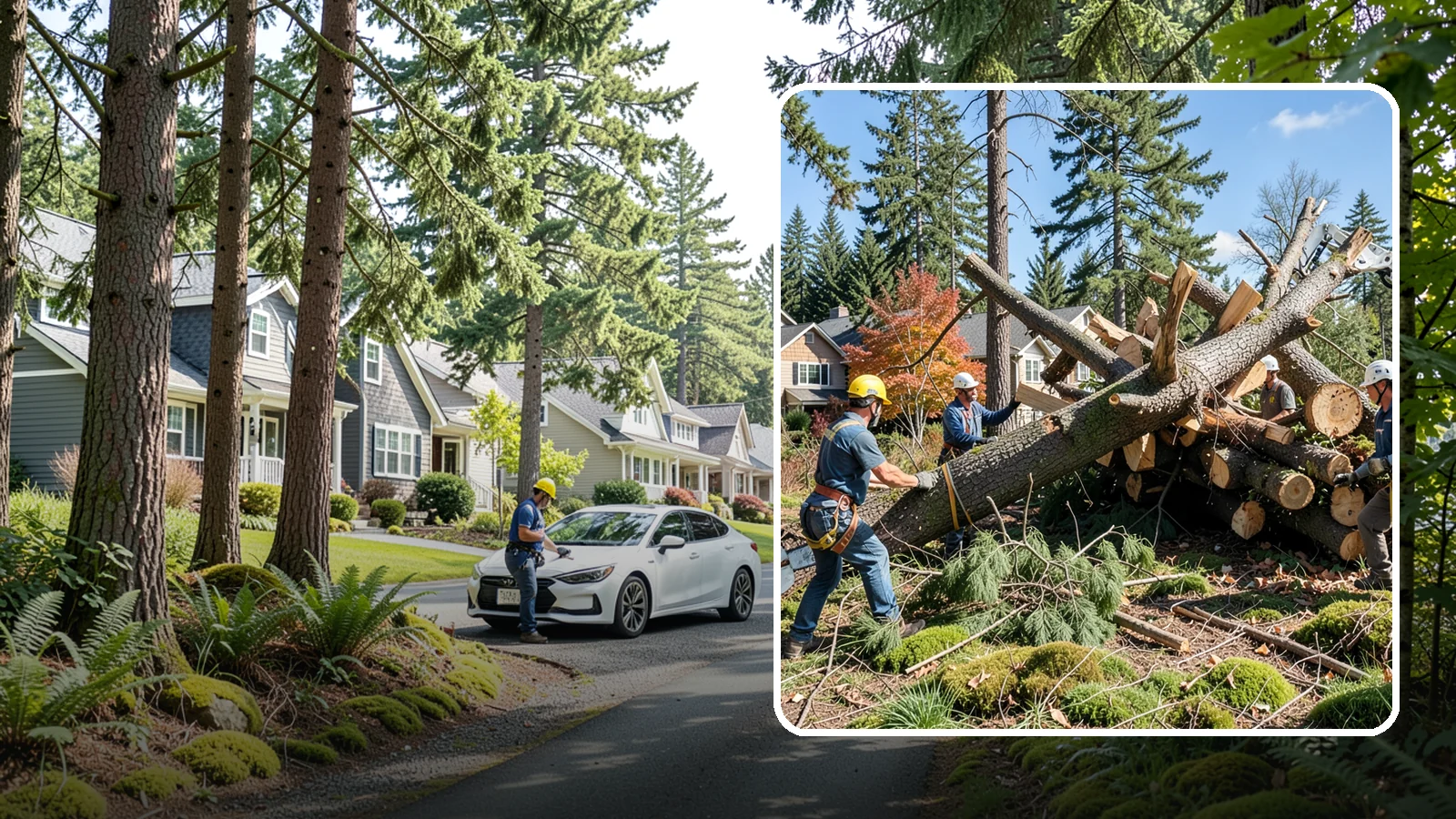
Hazardous tree removal involves carefully taking down trees that pose a safety risk due to structural defects, decay, or dangerous lean. This process is necessary when a tree threatens your property and cannot be made safe through simple pruning or support systems. Our crews use controlled methods matched specifically to the species of tree and conditions on your site.
Normandy Park Hazardous Tree Removal Process
The work begins with an on-site assessment to evaluate hazards before establishing clear drop zones and safety perimeters. Trained professionals then rig limbs or fell the stem in a controlled sequence while processing the wood for disposal. Once the removal is complete, we clear all debris from the area to leave your property clean and safe.
Equipment We Use for Normandy Park Hazardous Tree Removal
We utilize chainsaws and climbing gear along with specialized rigging equipment to handle difficult removals safely. Depending on the job site requirements, an aerial lift or crane may be used alongside a wood chipper for efficient cleanup. Ground protection measures are also in place to shield your landscaping during these operations.
Normandy Park Hazardous Tree Removal Safety & Best Practices
Our crews maintain strict safety protocols by keeping drop zones clear and planning controlled fall paths away from structures. We always identify overhead utility lines before starting work and inspect trees thoroughly for hidden decay or defects. Every team member uses proper fall protection and communicates constantly with ground personnel to ensure a safe environment.
Signs You Need Hazardous Tree Removal in Normandy Park
You may need this service if you notice an unpredictable lean, visible cracks in the trunk, or signs of internal rot that threaten your home. Situations where a tree is close to power lines or blocking access often require immediate professional intervention rather than simple trimming. If standard pruning cannot stabilize the situation, removal becomes the necessary step for safety.
What Affects the Cost of Hazardous Tree Removal in Normandy Park
The final cost depends on factors such as the size of the tree and any hidden internal decay that complicates the work. Proximity to structures or power lines also influences pricing, as does limited access for heavy equipment at your site. Additionally, requirements for wood disposal will play a role in determining the overall expense of the project.
Best Time of Year for Normandy Park Hazardous Tree Removal
While we can perform this service year-round with appropriate planning, wet seasons may require specialized rigging gear to manage slippery conditions. Operations must pause immediately if high winds threaten an unstable tree leaning dangerously toward your property or neighbors. We schedule work at times that prioritize safety while accommodating the specific needs of each site condition.

Hazardous Tree Removal Serving Normandy Park
Normandy Park
A quiet residential city on the Puget Sound shoreline in south King County.
Growing Conditions in Normandy Park
Permits & Local Notes for Normandy Park

Hazardous tree removal in nearby areas
Also serving Normandy Park
- Ornamental Grass Planting in Normandy Parkat Washington Landscaping
- Hazard Tree Inspections in Normandy Parkat Washington City Services
- Fallen Tree Firewood in Normandy Parkat Washington Firewood