Where Safety Meets Expert Tree Service.


Mountlake Terrace Root Removal
The removal of roots remaining after tree or stump work.
Should you remove the roots along with a tree, or leave them? It depends on where they sit. Roots under a driveway, a sewer line or a planned patio often need to come out. Roots deep in a lawn can usually be left to decay once the stump is ground below grade.
Start by noting what the roots are doing: lifting pavement, crowding a foundation wall, or simply sitting under turf. That tells you how much needs to go and how far the work has to reach.
About Root Removal in Mountlake Terrace
If you have recently had a tree or stump removed but roots remain in your yard, our root removal service can help clear the space for new projects. This work is ideal for homeowners who want to reclaim usable ground or prepare an area for construction and replanting. We are here to ensure your property is left safe and ready for its next use.
What Mountlake Terrace Root Removal Includes
Root removal focuses on taking out the remaining roots that stay behind after tree or stump work has been completed. This process clears obstructions that could cause tripping hazards while also discouraging pests and unwanted regrowth in the area. By removing these underground remnants, we help you fully utilize your landscape for hardscape installation or new planting efforts.
Mountlake Terrace Root Removal Process
Our trained crews begin by locating and marking any nearby utilities before starting work to ensure everyone stays safe. We clear the immediate area around the stump and then grind or extract it along with surface roots using appropriate methods. Once removed, we process the resulting debris and backfill the site as needed to restore proper grading for your lawn.
Equipment We Use for Mountlake Terrace Root Removal
To complete this job effectively, our teams utilize a variety of tools including stump grinders and excavation equipment. We also bring utility locating support systems along with wheelbarrows, rakes, and necessary personal protective gear. These resources allow us to match our methods specifically to the tree species present and the unique conditions of your site.
Mountlake Terrace Root Removal Safety & Best Practices
Before any grinding begins, we confirm that all underground utilities have been properly located to prevent damage or injury. During work, bystanders are kept clear of ejected debris while crew members wear eye and hearing protection at all times. We also remain vigilant for buried obstructions like rocks or other hazards that could affect the safety of our team or your property.
Signs You Need Root Removal in Mountlake Terrace
You may need this service if you notice tripping hazards near a stump site or find yourself dealing with pests attracted to remaining roots. If you plan on building hardscape, adding new plants, or simply wanting open space for play and recreation, root removal is the next logical step. Extensive root systems that limit access or cause ground instability are also clear indicators that this work is required.
What Affects the Cost of Root Removal in Mountlake Terrace
The final cost depends largely on the size of your root system and whether soil conditions contain rock or debris that complicate excavation. Site access limitations for our equipment can influence pricing, as well as any specific requirements to locate underground utilities before we begin. These factors ensure we provide an accurate estimate tailored to the unique challenges of your property.
Best Time of Year for Mountlake Terrace Root Removal
In our local Puget Sound climate, root removal work can generally proceed throughout all seasons of the year. However, heavy rainfall may temporarily delay projects when it creates muddy ground that is unsuitable for excavation tools and equipment. We monitor weather conditions closely to ensure we only start digging when the site is stable enough for safe operation.
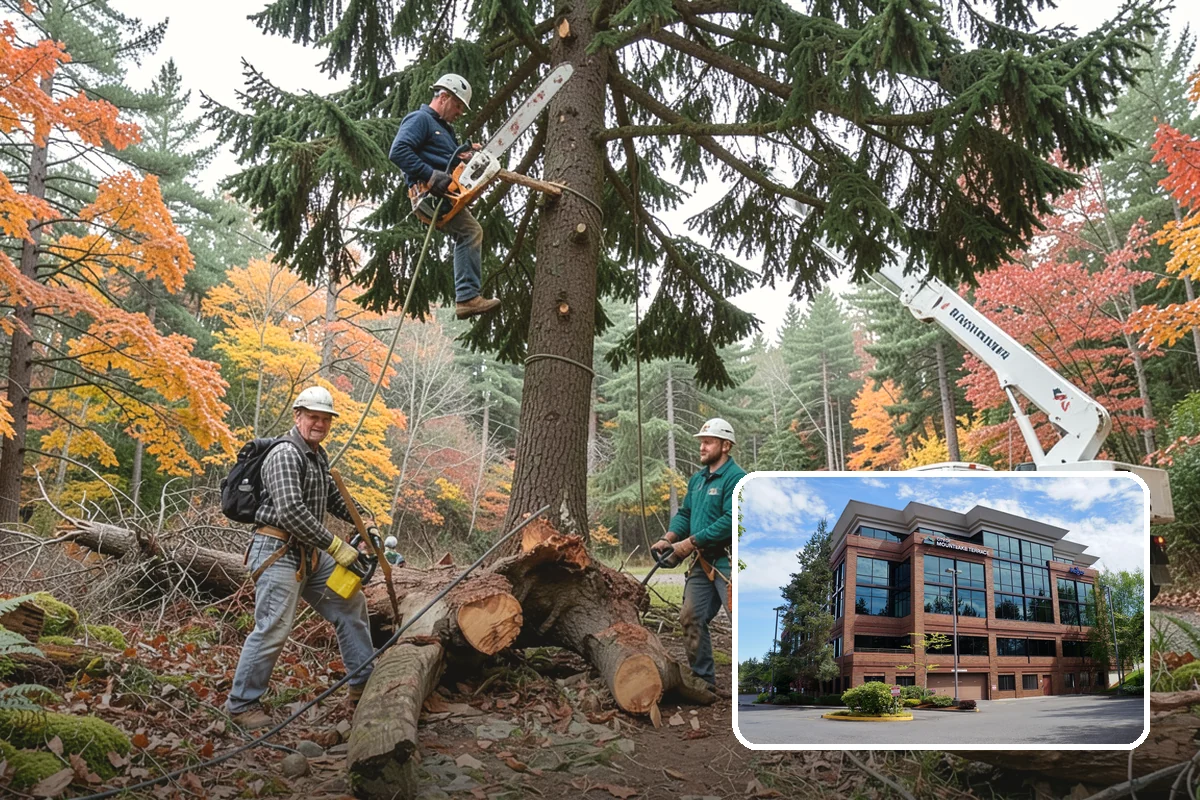
Root removal in Mountlake Terrace: what the soil means
Root removal is more than pulling out a stump. The work is shaped by what the roots are near and by the ground they grow in. Two local details are worth knowing.
Shallow ground over hardpan
The NRCS soil survey shows that 59% of the land in Mountlake Terrace has a hard or restrictive layer, such as glacial hardpan, within 40 inches of the surface. Alderwood is the most common soil series. That is survey data for the city as a whole, not a reading of your lot. Where a restrictive layer sits close to the surface, roots tend to spread sideways instead of down. That can put large roots near the surface of a yard, under walkways and close to pipes. So the first step on site is to trace where the roots actually run before any digging.
Houses and tight lots
According to the Census ACS for 2020 to 2024, about 51% of housing in Mountlake Terrace is single-family detached houses. For many owners, that means a tree sits close to a foundation, a fence, a driveway or a buried line. Near those, we usually cut roots cleanly by hand or with careful digging, and we avoid heavy pulling. Large structural roots close to a house are often better ground out than yanked, because tearing can damage what the roots are wrapped around.
Planning the work
Before work starts, we check with the city about any rules that could apply to the tree. A city tree rule covers only what it says, so we confirm instead of assuming. It helps to know these things before a visit:
- Whether the tree is still standing or already removed
- What the roots are damaging or threatening
- What you plan to build or plant there afterward
If you plan to replant, tell us. Leftover root pieces can break down slowly, and the planting spot may need a different location or extra clearing. For a free estimate, call or text 425-484-4442.
Mountlake Terrace tree conditions at a glance
| Soils | 59% of land has hardpan or another restrictive layer within 40 in; most common series Alderwood |
|---|---|
| Rain and snow falling October to April | 80% of the year’s total |
| Days that freeze at night and thaw by day | 33 a year |
Tree removal rules in Mountlake Terrace
City critical-areas tree FAQ: in general single-family homeowners do not need a permit to remove a tree unless it is in a critical area or the removal is associated with a land use action such as a development proposal; a clearing and grading permit may be needed if the ground is significantly disturbed by equipment (especially multiple trees). Under MTMC 19.130.170 (Ord.
Regulated size: Deciduous trees 6 inches DBH or greater, or coniferous trees at least 7 ft tall, excluding trees on the City's Prohibited Tree List (MTMC 16.30, Ord.
Official city source. Rules change; we confirm with the city before work starts.
Sources: Daymet daily weather (NASA/ORNL), NOAA Storm Events, USDA plant hardiness map 2023, NRCS soil survey, USGS elevation, WA DNR landslide inventory, USDA Forest Service aerial survey, WSDA, city tree assessments and street-tree inventories, SILVIS Lab, Arbor Day Foundation, and official city and utility pages.
Root Removal Serving Mountlake Terrace
Mountlake Terrace


Also serving Mountlake Terrace
- Hydroseeding in Mountlake Terraceat Washington Landscaping
- Tree Risk Assessments in Mountlake Terraceat Washington City Services