Where Safety Meets Expert Tree Service.
Monroe Dead tree removal
The removal of dead trees that no longer have living tissue.
About Dead Tree Removal in Monroe
If a tree on your property has lost all living tissue, our team is here to handle its safe removal for you. We understand that dealing with dead wood can feel overwhelming, so we are ready to help protect your home and landscape from falling hazards. Our goal is to clear the danger while respecting your space and peace of mind.
What Monroe Dead Tree Removal Includes
This service focuses specifically on removing trees that no longer have living tissue inside them. It includes carefully taking down brittle branches or entire stems that pose a risk, as well as clearing away any debris left behind. We also work hard to stop pests from using the dead wood before they can spread disease to nearby healthy plants.
Monroe Dead Tree Removal Process
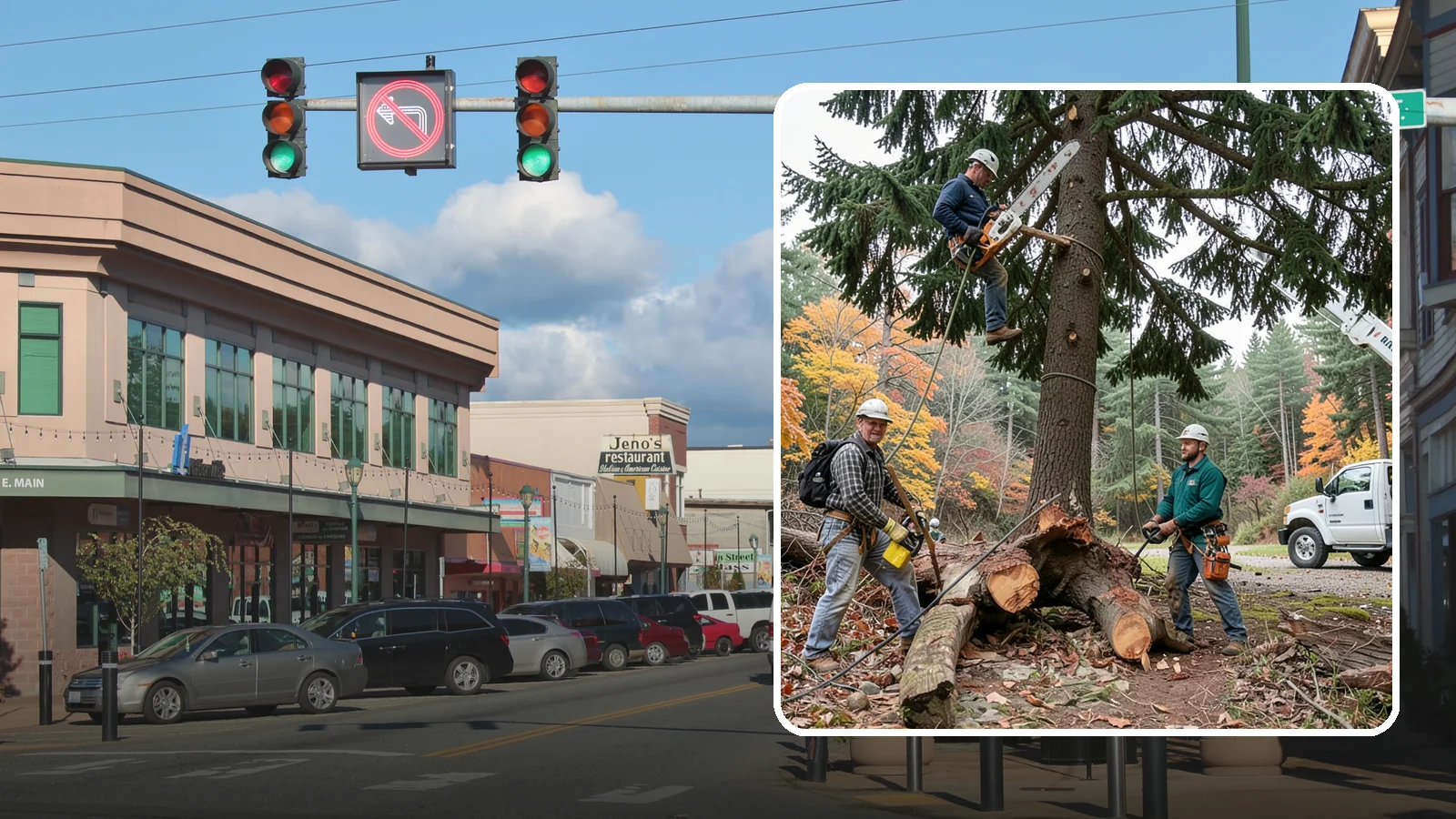
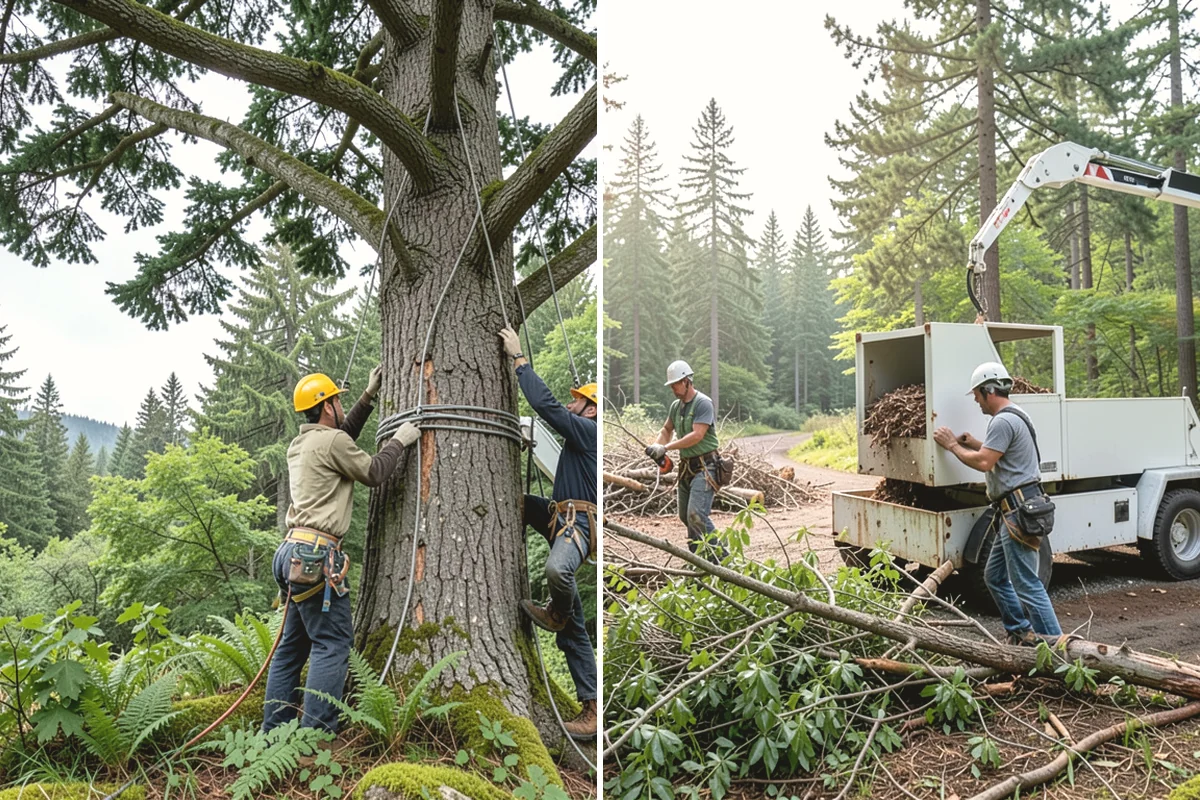
Our trained crews start with an on-site assessment to evaluate risks and establish safe drop zones around your property. Using recognized arboricultural standards, we rig limbs or fell the stem in a controlled sequence that matches the tree species and site conditions. Afterward, we process the wood, haul away debris, and perform final cleanup so your yard is left clear and tidy.
Equipment We Use for Monroe Dead Tree Removal
We use professional chainsaws and climbing gear to navigate difficult branches safely while removing dead trees from various heights. Depending on the size of the job or access limitations, our crews may bring in aerial lifts or cranes to assist with heavy lifting. All tools are paired with ground protection measures to keep your landscaping safe during the workday.
Monroe Dead Tree Removal Safety & Best Practices
Before any climbing begins, we inspect for hidden decay and structural defects that could cause an unexpected fall. We maintain clear drop zones and controlled paths so no one is in harm’s way when limbs or trunks come down. Our team also communicates constantly between climbers on the ground to ensure every step of the removal stays safe for everyone involved.
Signs You Need Dead Tree Removal in Monroe
You likely need this service if you notice a tree that has become brittle, cracked, or shows signs it has completely died. These conditions create immediate falling hazards and often attract pests looking for easy food sources near your home. Identifying these issues early helps prevent damage to structures, utilities, and the rest of your garden before they spread further.
What Affects the Cost of Dead Tree Removal in Monroe
The price depends on factors like how large the tree is and whether it sits close to power lines or buildings that limit our access. Hidden internal decay can add complexity to the job, requiring more careful planning than a straightforward removal would need. Additionally, requirements for wood disposal will influence the final cost based on what needs to be hauled away from your site.
Best Time of Year for Monroe Dead Tree Removal
In our local climate, dead tree removal is possible year-round since we do not wait for specific seasons to begin work. However, many homeowners prefer scheduling this during drier periods when frozen ground conditions improve stability for equipment operating on slopes or uneven terrain. We can arrange a time that fits your schedule while ensuring the best working conditions for both our crew and your property.
Dead Tree Removal Serving Monroe
Monroe
A city in the Skykomish valley of east Snohomish County at the junction of US-2 and SR-522.
Growing Conditions in Monroe
Permits & Local Notes for Monroe

Also serving Monroe
- Garden Bed Installation in Monroeat Washington Landscaping
- Hazard Tree Inspections in Monroeat Washington City Services
- Log Splitting in Monroeat Washington Firewood