Where Safety Meets Expert Tree Service.

About Wood Milling in Lyman
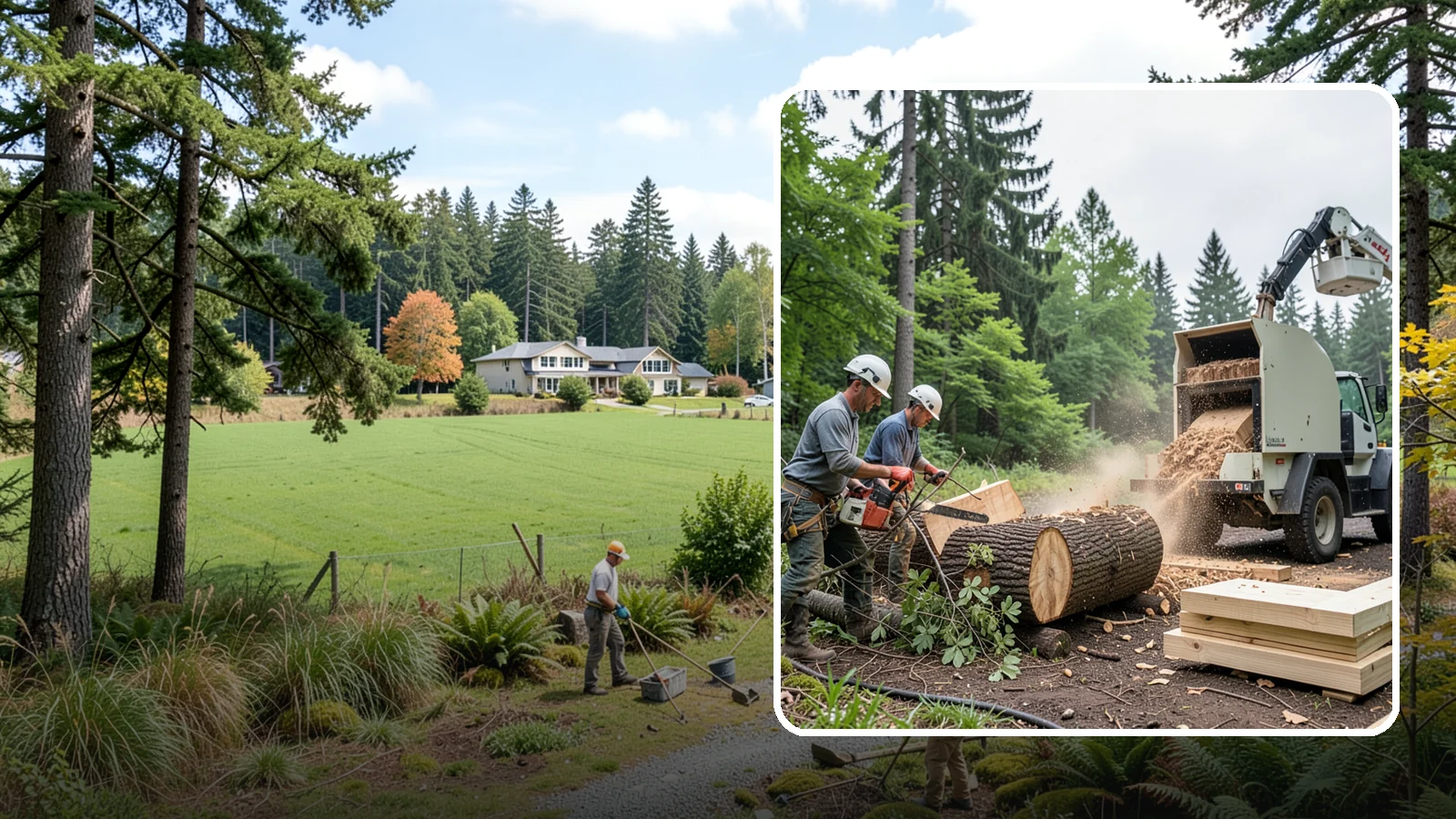
Wood milling gives removed trees a second life by turning logs into usable slabs or boards. This service is perfect for homeowners who want their yard clean while creating valuable lumber from debris we remove together. We help you see the potential in wood that might otherwise be discarded, ensuring nothing goes to waste unnecessarily.
What Lyman Wood Milling Includes
Our team specializes in milling logs directly on site to produce high-quality slabs and boards suitable for various projects. This process is designed to keep your property tidy by converting debris into products rather than sending everything straight to a landfill. We match our methods carefully to the specific tree species, current site conditions, and available access points at your home.
Lyman Wood Milling Process
The work begins with sorting material based on type and size before we chip, cut, or mill it as needed for your desired product. Once processed into lumber of the required quality, we either haul away excess waste or deliver finished pieces to you. We always take care to clean up the entire work area so your property is left in better shape than when we arrived.
Equipment We Use for Lyman Wood Milling
To complete this job safely and efficiently, our crews use wood chippers, chainsaws, and specialized milling equipment as required for each log. Loaders and hauling vehicles are brought along to manage materials throughout the site, ensuring smooth movement of heavy items. Every crew member also wears necessary personal protective gear while operating these powerful tools around your property.
Lyman Wood Milling Safety & Best Practices
We strictly keep hands and bystanders clear from feed equipment during all operations involving our machinery. Loads are secured properly before transport to prevent shifting or accidents on the way home, protecting both people and cargo. Crew members wear eye and hearing protection at all times while handling logs with proper technique and using appropriate lifting equipment.
Signs You Need Wood Milling in Lyman
You may need wood milling when you have removed trees that could become lumber instead of just being chipped into mulch. If your project requires specific sizes or qualities of boards, this service allows us to tailor the output directly from the fallen timber we remove. Situations where embedded metal debris exists in logs also signal a need for careful sorting and processing before milling can begin.
What Affects the Cost of Wood Milling in Lyman
The final price is influenced by factors such as log size and moisture content which affect product quality standards. Any embedded metal or other debris found inside the logs will require additional removal steps that impact overall costs. Equipment access limits at your specific job site are also considered when determining how much work we can perform efficiently.
Best Time of Year for Lyman Wood Milling
Wood milling works best during dry seasons in our region to ensure logs have low enough moisture levels for high-quality lumber production. Attempting this service too early or late may result in wood that is not suitable for making fine boards or slabs due to natural water content changes. Planning your project around these seasonal conditions helps us deliver the highest quality finished products from every tree we remove.

Wood Milling Serving Lyman
Lyman
A very small town along the Skagit River in rural eastern Skagit County.
Growing Conditions in Lyman

Permits & Local Notes for Lyman

Wood milling in nearby areas
Also serving Lyman
- Firewood Consultation in Lymanat Washington Firewood
- Rock Replacement in Lymanat Washington Landscaping