Where Safety Meets Expert Tree Service.

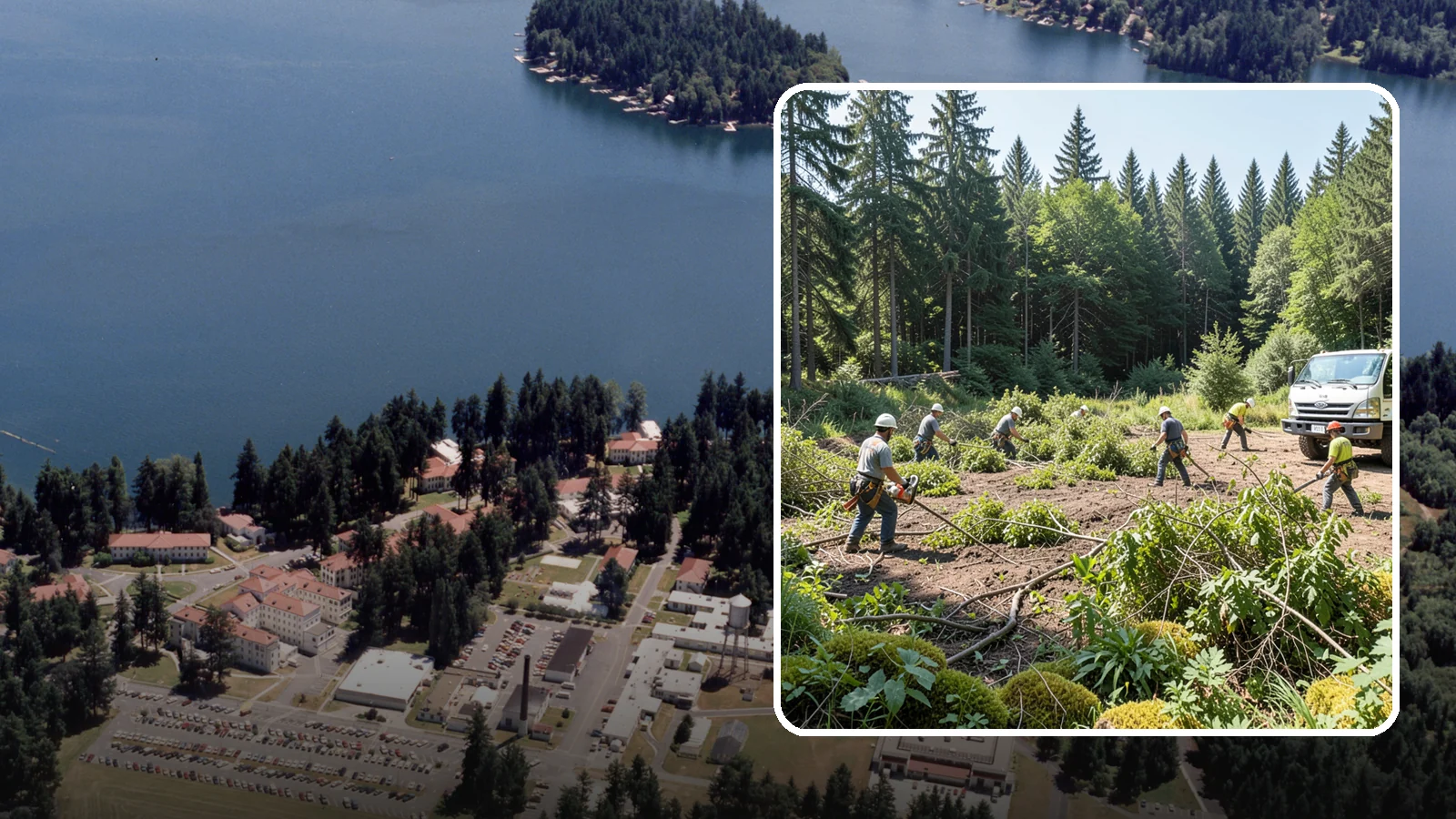
About Blackberry Removal in Lakewood
We help homeowners reclaim overgrown areas by safely removing invasive blackberry thickets from their land. Our trained crews work to clear these dense patches so you can regain full access and usability of your property. This service is designed for anyone looking to improve the look and function of their lot while managing unwanted vegetation.
What Lakewood Blackberry Removal Includes
Blackberry removal focuses on eliminating established thicket growth that has taken over parts of a site. The work includes clearing the invasive plants in a planned sequence, removing all debris responsibly, and tidying the area as needed. We also take steps to discourage future regrowth so your land stays manageable for its intended use.
Lakewood Blackberry Removal Process
Our team begins by assessing the specific conditions of your property and marking important features to protect during the job. Vegetation is cleared using a logical sequence that accounts for site access, while we carefully manage debris to prevent hazards. Once the thickets are gone, we grade or tidy the area to leave it ready for whatever you plan next.
Equipment We Use for Lakewood Blackberry Removal
To handle dense and thorny growth effectively, our crews utilize brush cutters, chainsaws, chippers, and hauling equipment. Hand tools and personal protective gear allow us to navigate tricky spots with precision while keeping everyone safe. We select the right combination of machinery based on the tree species present and the specific conditions at your site.
Lakewood Blackberry Removal Safety & Best Practices
Safety is a priority as we identify property lines, utilities, and any features that must remain untouched during clearing. Our workers stay alert for uneven terrain or hidden obstacles to ensure no accidents occur while managing large amounts of debris. We also take extra care to protect retained trees and their root zones from damage throughout the removal process.
Signs You Need Blackberry Removal in Lakewood
You may need this service if you notice dense, thorny growth that makes it difficult to walk across your land. Overgrown areas with blackberry thickets can increase fire risk or prevent you from using parts of your property as intended. If invasive plants seem to keep coming back despite previous efforts, our removal process helps control and manage these species effectively.
What Affects the Cost of Blackberry Removal in Lakewood
The price for this work depends on how dense the thicket is in specific areas of your lot. Difficult access caused by uneven or wet terrain can also influence the overall cost of the project. Additionally, the volume of debris that needs to be removed and disposed of responsibly will play a role in the final estimate.
Best Time of Year for Lakewood Blackberry Removal
While blackberry removal can happen year-round, we may use specific equipment during wetter seasons to handle invasive species regrowth carefully. Timing is adjusted based on site conditions to ensure safety and effectiveness throughout the process. We work with you to schedule the job when it best fits your needs while considering seasonal factors like soil moisture.
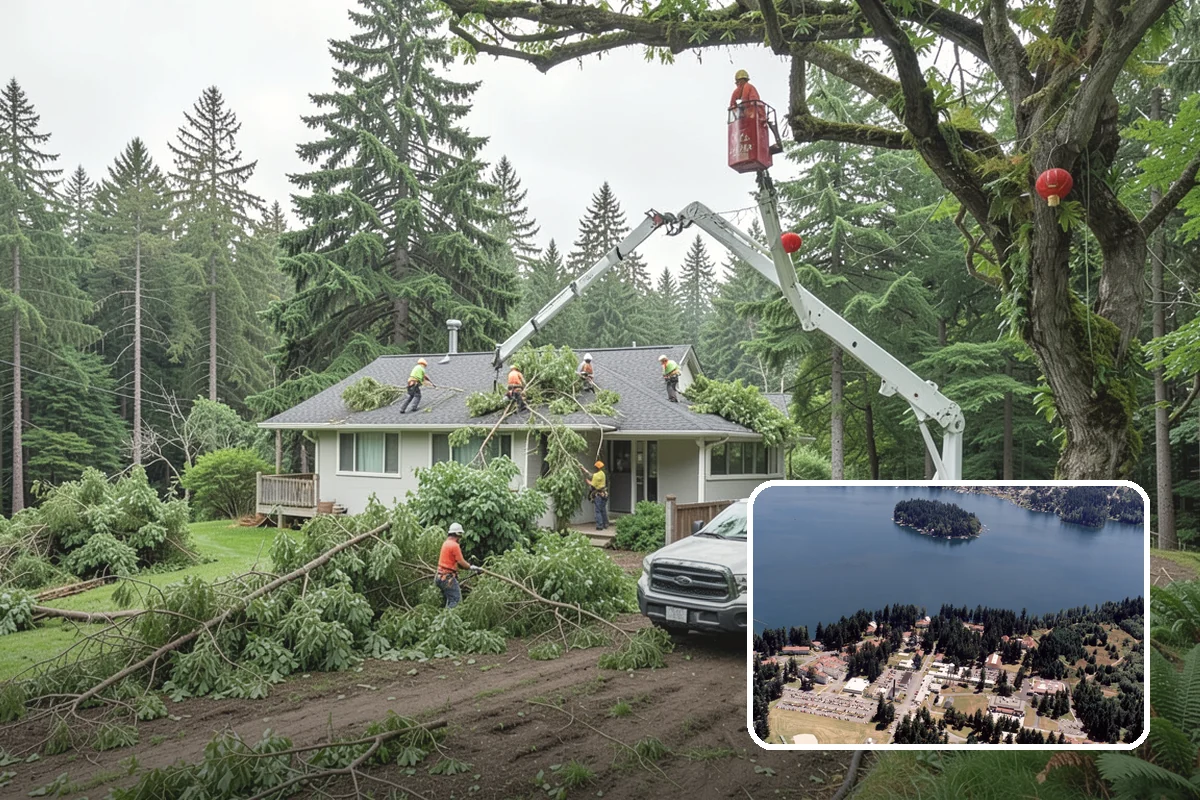
Blackberry Removal Serving Lakewood
Lakewood
A city of lakes in southwest Pierce County near Joint Base Lewis-McChord.
Growing Conditions in Lakewood

Permits & Local Notes for Lakewood

Blackberry removal in nearby areas
Also serving Lakewood
- Land Leveling in Lakewoodat Washington Landscaping
- Excavation in Lakewoodat Washington Construction
- Aquatic Weed Control in Lakewoodat Washington City Services
- On-Site Firewood Milling in Lakewoodat Washington Firewood