Where Safety Meets Expert Tree Service.

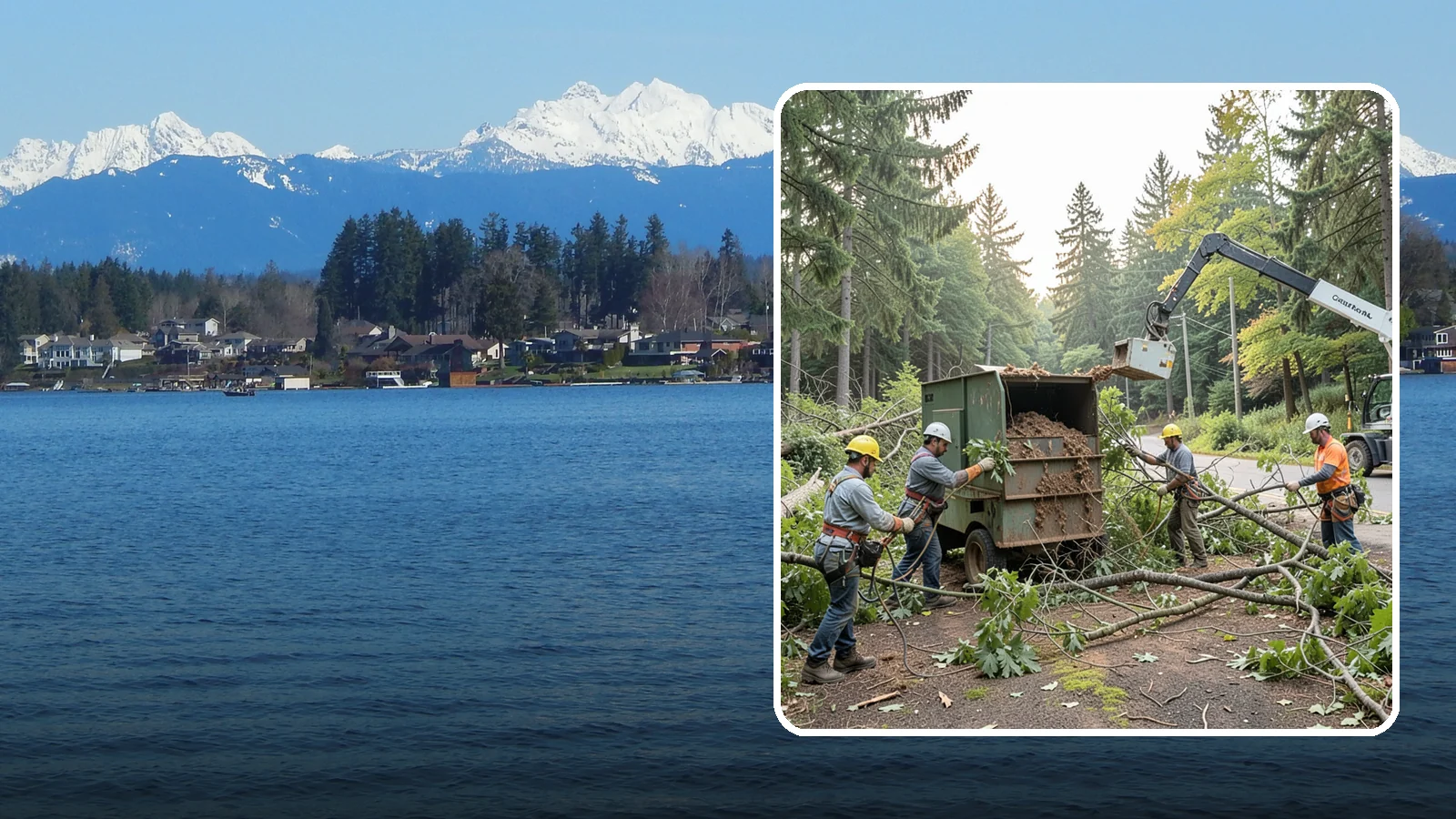
Lake Stevens Tree debris removal
The collection and hauling of downed limbs and debris.
About Tree Debris Removal in Lake Stevens
When a storm knocks down limbs or leaves your property cluttered with debris, we are here to help you clear the way quickly. Our trained crews work alongside homeowners in our area to restore safety and access after severe weather events. We understand how stressful it is when trees fall on your home or driveway during Puget Sound storms.
What Lake Stevens Tree Debris Removal Includes
This service focuses entirely on collecting and hauling away downed limbs and other debris from your site. It includes the efficient removal of broken branches left over from recent tree work or unexpected wind damage. Our goal is to leave your property clean while ensuring that no hazardous material remains behind.
Lake Stevens Tree Debris Removal Process
We begin by assessing any immediate hazards, such as hanging limbs or unstable trees under tension. Once the area is made safe, our crew removes downed material and processes it for removal from your site. If necessary, we will document the damage to help you understand what happened during the storm event.
Equipment We Use for Lake Stevens Tree Debris Removal
Our teams utilize chainsaws, rigging gear, and personal protective equipment to handle difficult cuts safely. Depending on the size of the debris or limited access conditions, we may bring an aerial lift or crane to assist with removal. We also use specialized chippers and hauling trucks designed for efficient disposal of large volumes of wood.
Lake Stevens Tree Debris Removal Safety & Best Practices
Because storm-damaged trees are often unstable and under load, our crews treat every fallen limb with caution until fully secured. You can rest easy knowing we watch closely for hidden utility lines that might be downed or buried in the debris. We also ensure bystanders stay clear while carefully releasing tension on any bent or pinned material near your home.
Signs You Need Tree Debris Removal in Lake Stevens
If you see broken branches blocking your driveway, yard, or walkways after a wind event, this service is likely needed right away. Hidden cracks in standing trees or downed power lines nearby are other strong indicators that professional debris removal is required. Limited access due to fallen limbs on fences or gates also signals it is time for our team to help clear the path.
What Affects the Cost of Tree Debris Removal in Lake Stevens
The final cost depends heavily on how much volume of limbs and debris needs to be removed from your specific site. Factors like difficult access conditions after a storm, the distance required to haul disposal material away, and nearby hazards such as power lines will also influence pricing. We evaluate each situation individually to ensure you get an accurate estimate based on these real-world variables.
Best Time of Year for Lake Stevens Tree Debris Removal
While this work can be scheduled immediately following specific wind damage at any time of year, it is most frequently needed from fall through spring when storms are common in our region. Our crews remain ready to respond quickly regardless of the season whenever severe weather patterns threaten your property with downed trees and branches.
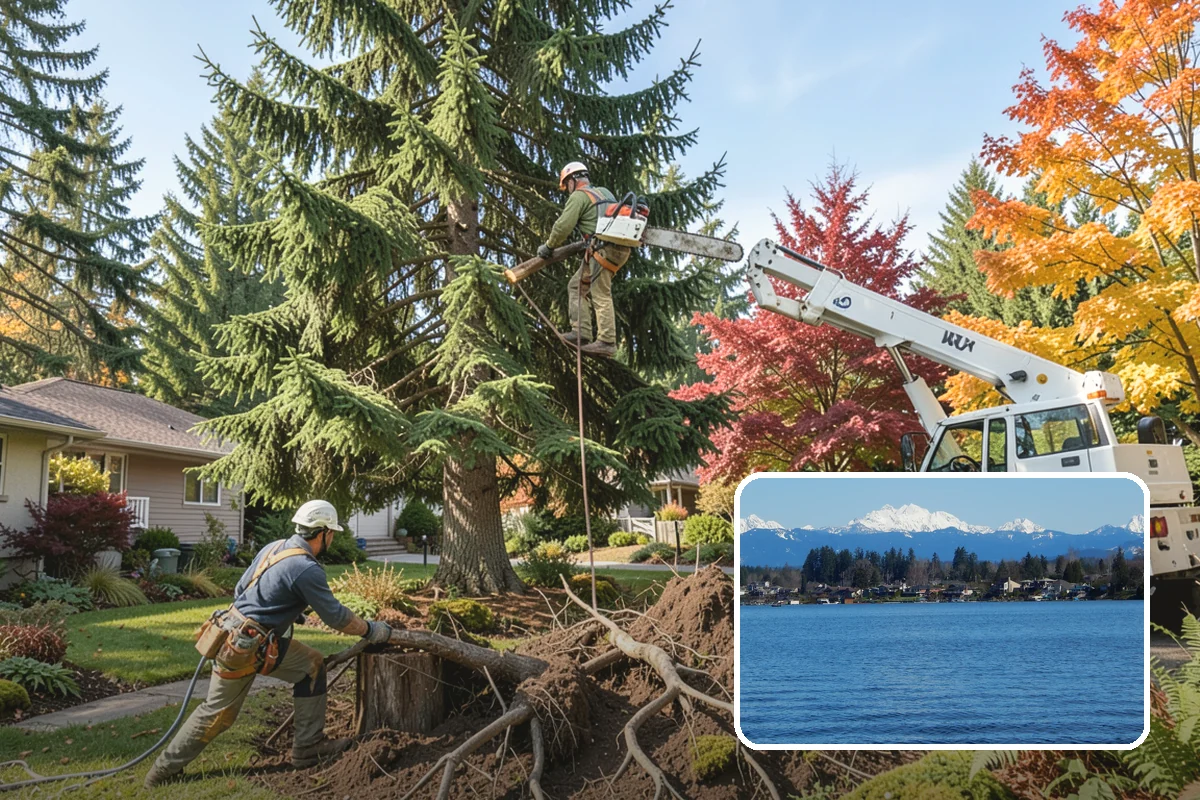
Tree Debris Removal Serving Lake Stevens
Lake Stevens
A city surrounding the lake of the same name in central Snohomish County.
Growing Conditions in Lake Stevens

Permits & Local Notes for Lake Stevens
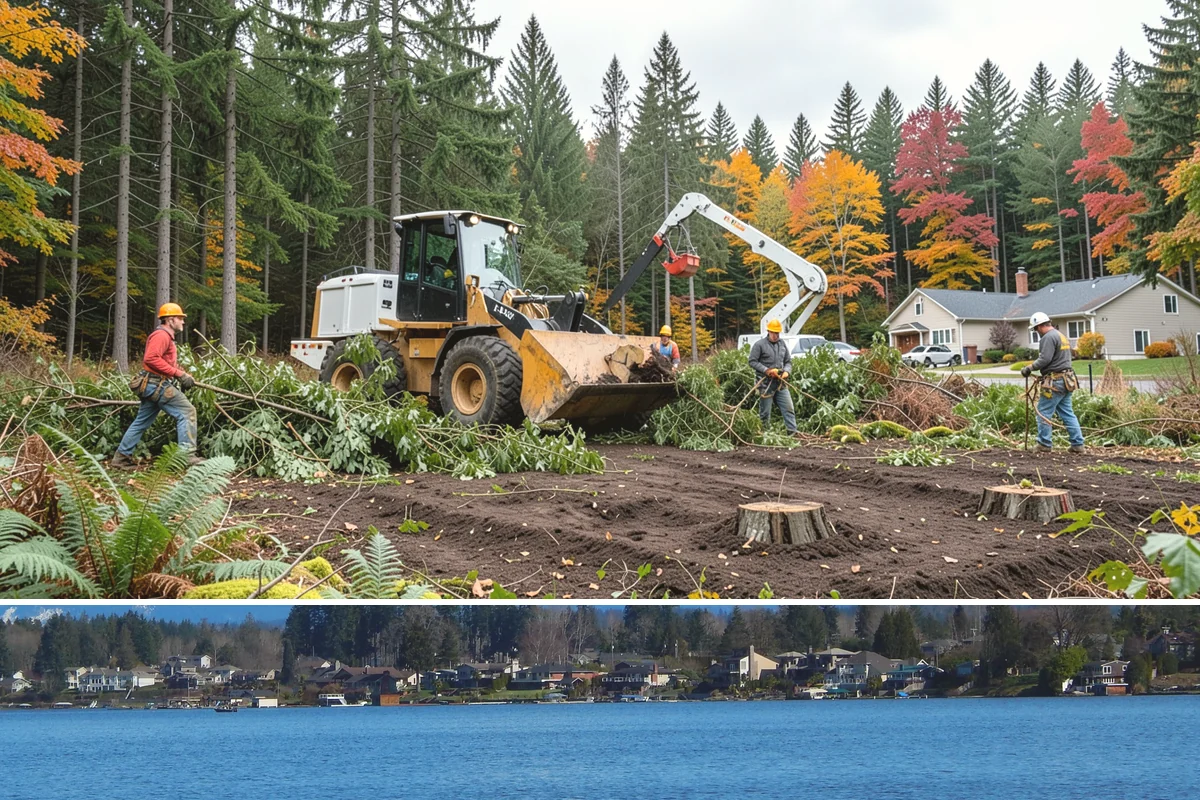
Tree debris removal in nearby areas
Also serving Lake Stevens
- Disaster Response Roofing in Lake Stevensat Washington Roofing
- Carbon Fiber Wall Reinforcement in Lake Stevensat Washington Construction
- Spring Cleanup in Lake Stevensat Washington Landscaping