Where Safety Meets Expert Tree Service.
Lake Forest Park View Enhancement Pruning
Selective pruning to open or improve a view while protecting tree health.
About View Enhancement Pruning in Lake Forest Park
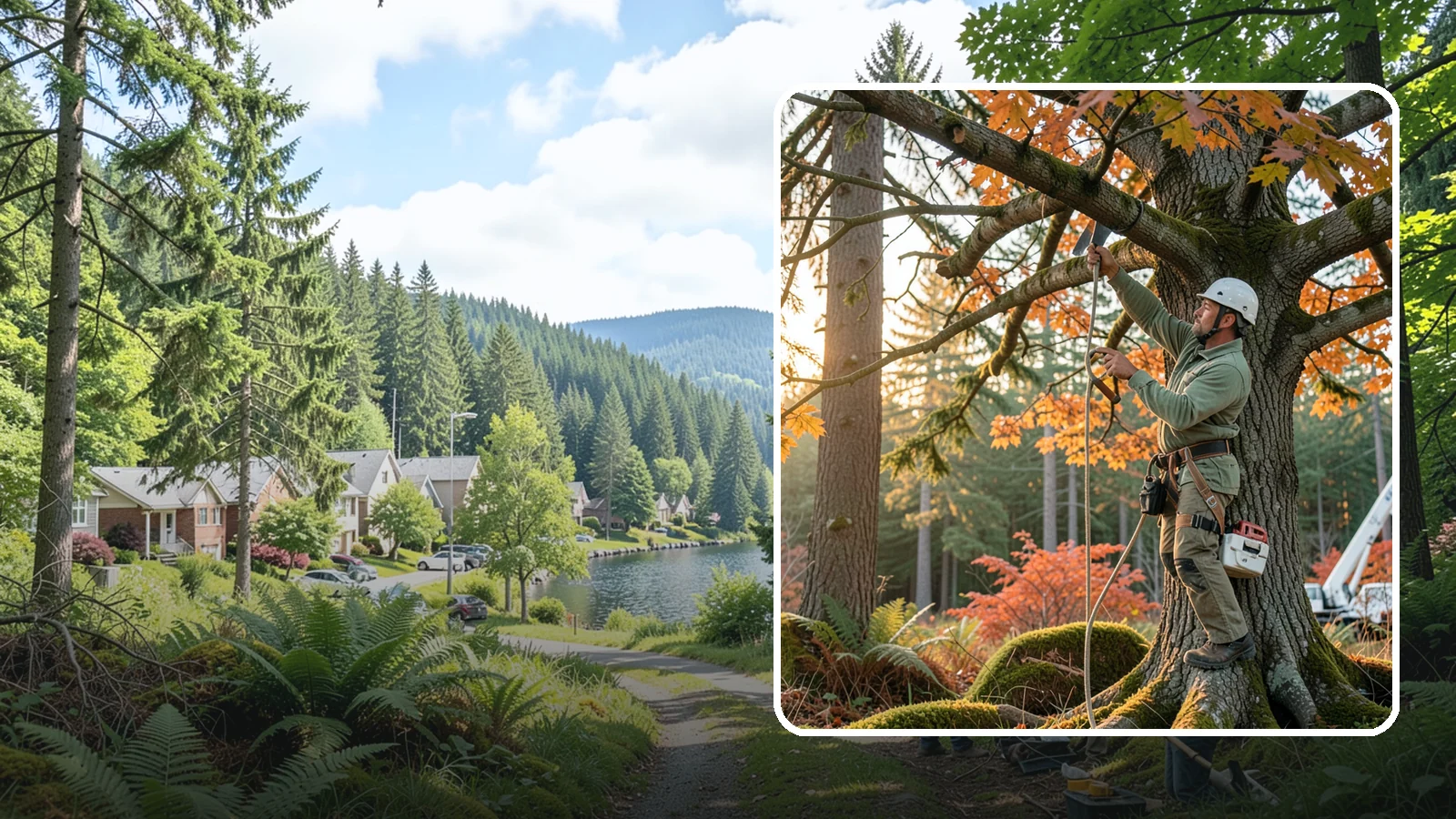
View Enhancement Pruning helps homeowners open up their sightlines while keeping trees healthy and strong. Our trained crews use careful techniques that respect the natural needs of your local tree species. This approach improves how you see from windows or walkways without harming the landscape around you.
What Lake Forest Park View Enhancement Pruning Includes
This service involves selective pruning designed to improve a view by removing specific branches rather than shaping the whole canopy. We focus on enhancing sightlines and clearing obstructions while strictly protecting the overall health of the tree. The work is tailored to match your unique site conditions, ensuring that every cut supports long-term vigor.
Lake Forest Park View Enhancement Pruning Process
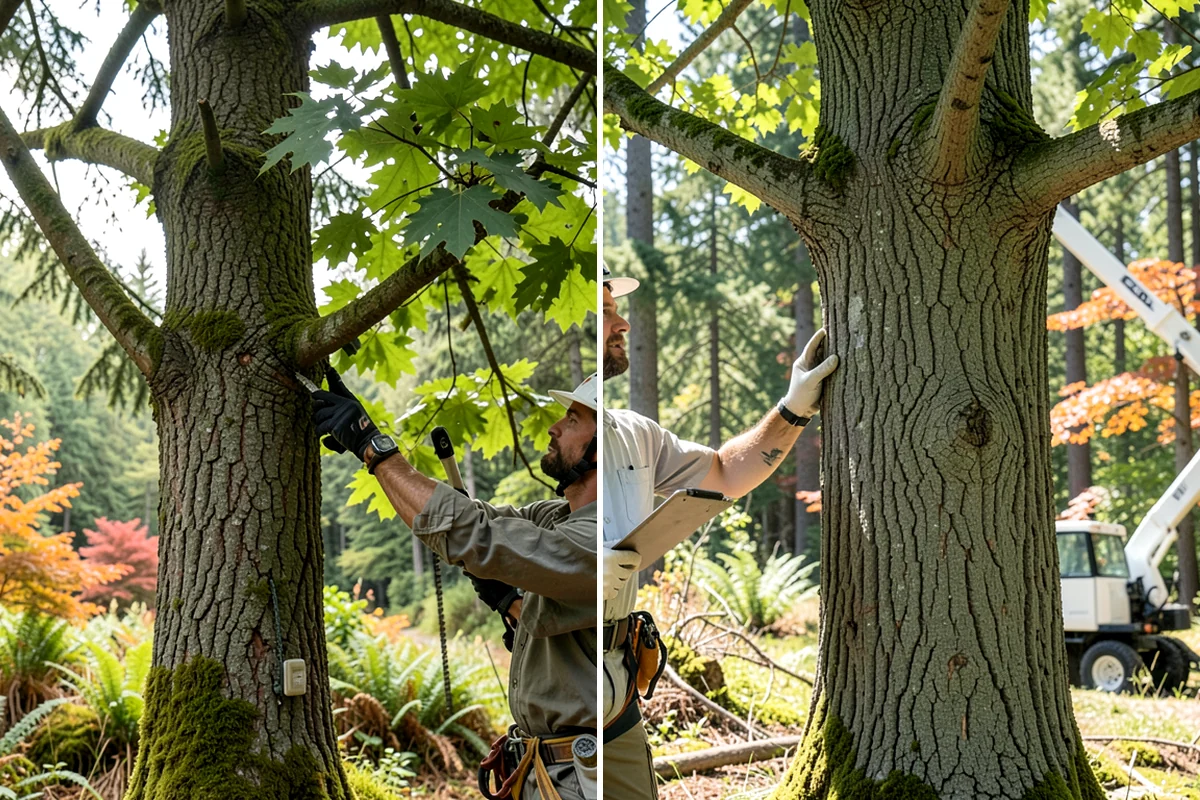
Our team begins by assessing the current condition of the canopy and defining clear pruning objectives for your property. Selecting the right cuts depends on the specific species present and the time of year we are working in. We make clean incisions at proper points to avoid stress, then lower branches safely before cleaning up all cut material from the area.
Equipment We Use for Lake Forest Park View Enhancement Pruning
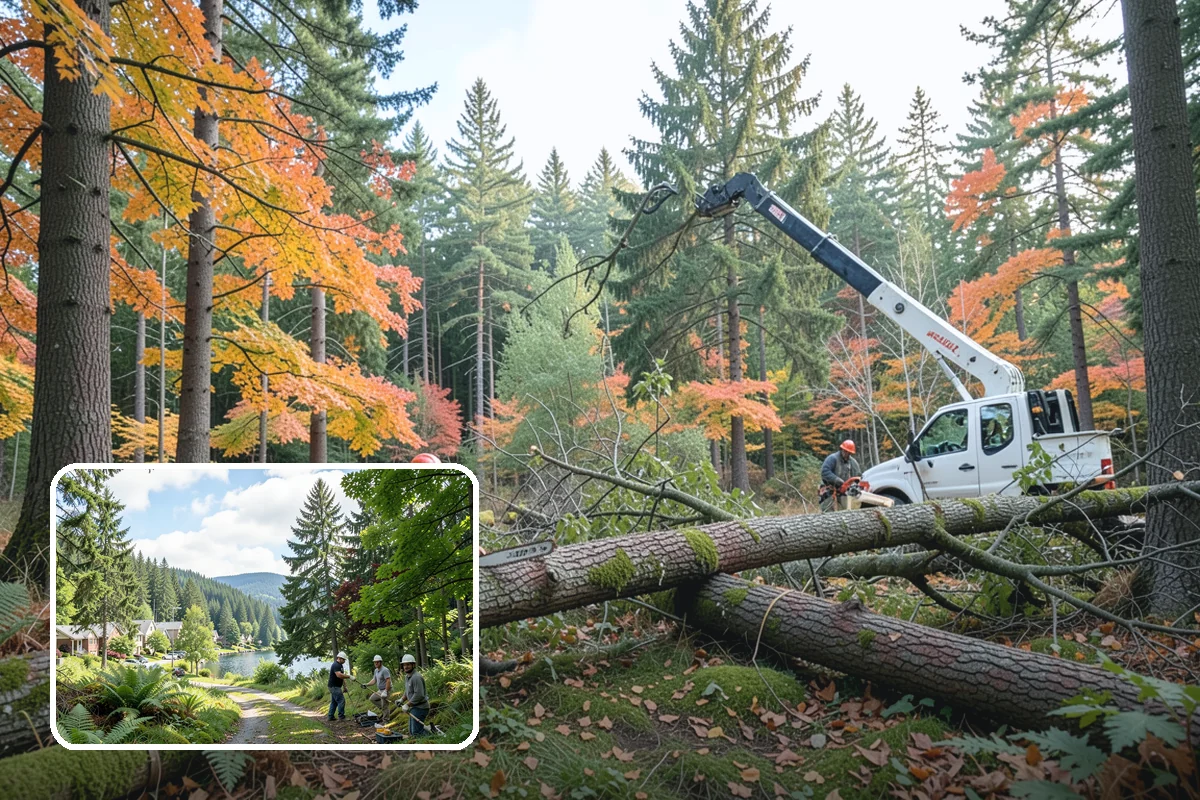
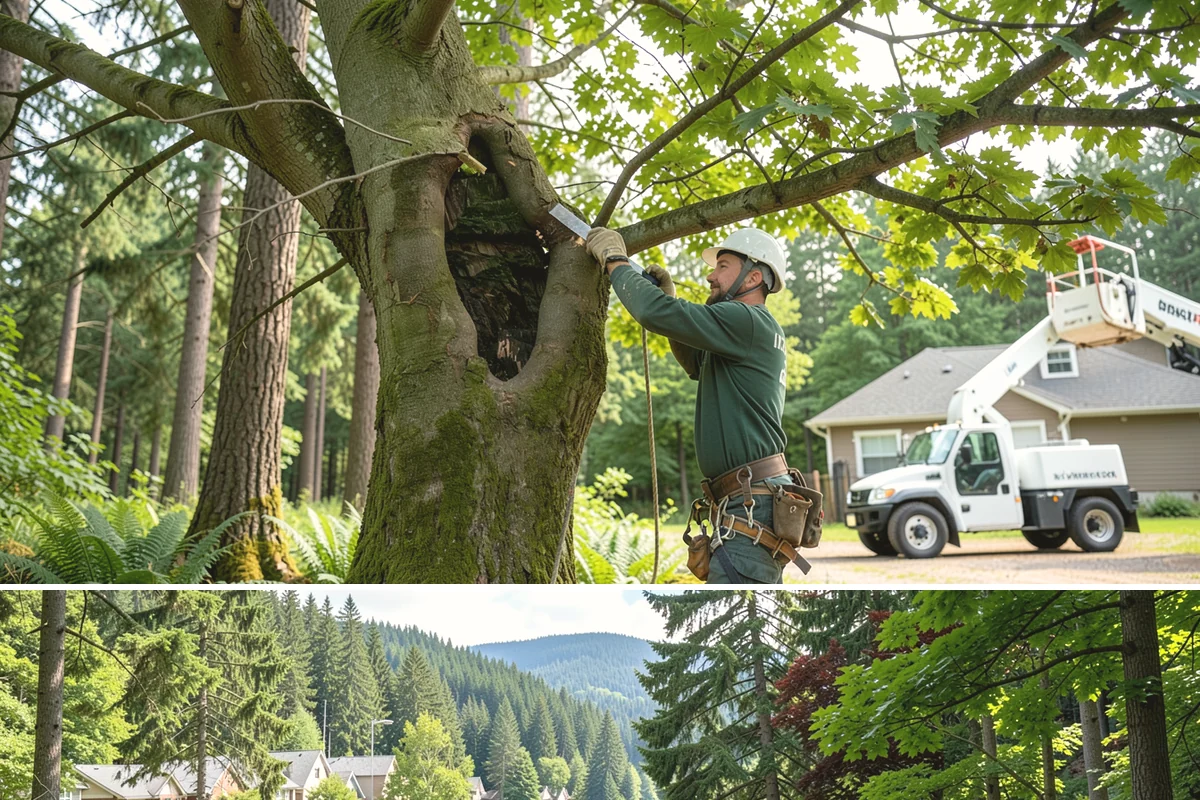
To perform this work effectively, crews utilize hand saws, pole saws, chainsaws, and wood chippers for efficient cleanup. Depending on access requirements, we may bring climbing rigging gear or an aerial lift to reach higher limbs without damaging surrounding structures. All personnel wear necessary personal protective equipment while operating these tools in your yard.
Lake Forest Park View Enhancement Pruning Safety & Best Practices
We follow recognized arboricultural standards to ensure cuts are made safely and do not cause unnecessary stress to the tree. Our crews stay alert for overhead power lines and unstable limbs that could pose a risk during removal operations. When working at height, we always use proper fall protection gear to keep everyone secure on site.
Signs You Need View Enhancement Pruning in Lake Forest Park
You might need this service if branches block your view from windows or interfere with structures like fences and sheds. Signs of deadwood or weak unions in the canopy can also indicate that selective pruning is needed for better health. If you notice species-specific timing issues affecting your trees, addressing them early helps prevent future problems.
What Affects the Cost of View Enhancement Pruning in Lake Forest Park
The final cost depends on factors such as the specific tree species present and their current condition within the canopy. Access challenges like tight spaces or high branches may require specialized equipment like aerial lifts or rigging gear to reach safely. Additionally, the volume of wood removed for chipper disposal will influence the overall price of the project.
Best Time of Year for Lake Forest Park View Enhancement Pruning
This selective pruning is best scheduled when it matches the specific healing sensitivities of your tree species in our local climate. Timing cuts correctly ensures that trees recover well without being over-pruned during vulnerable seasons. We coordinate with you to find a window where conditions are ideal for making clean, effective incisions throughout the year.
View Enhancement Pruning Serving Lake Forest Park
Lake Forest Park
A heavily wooded residential city at the north end of Lake Washington.
Growing Conditions in Lake Forest Park
Permits & Local Notes for Lake Forest Park
Also serving Lake Forest Park
- Japanese Maple Pruning in Lake Forest Parkat Washington Landscaping
- Roof Preservation in Lake Forest Parkat Washington Roofing
- Tree Risk Assessments in Lake Forest Parkat Washington City Services