Where Safety Meets Expert Tree Service.

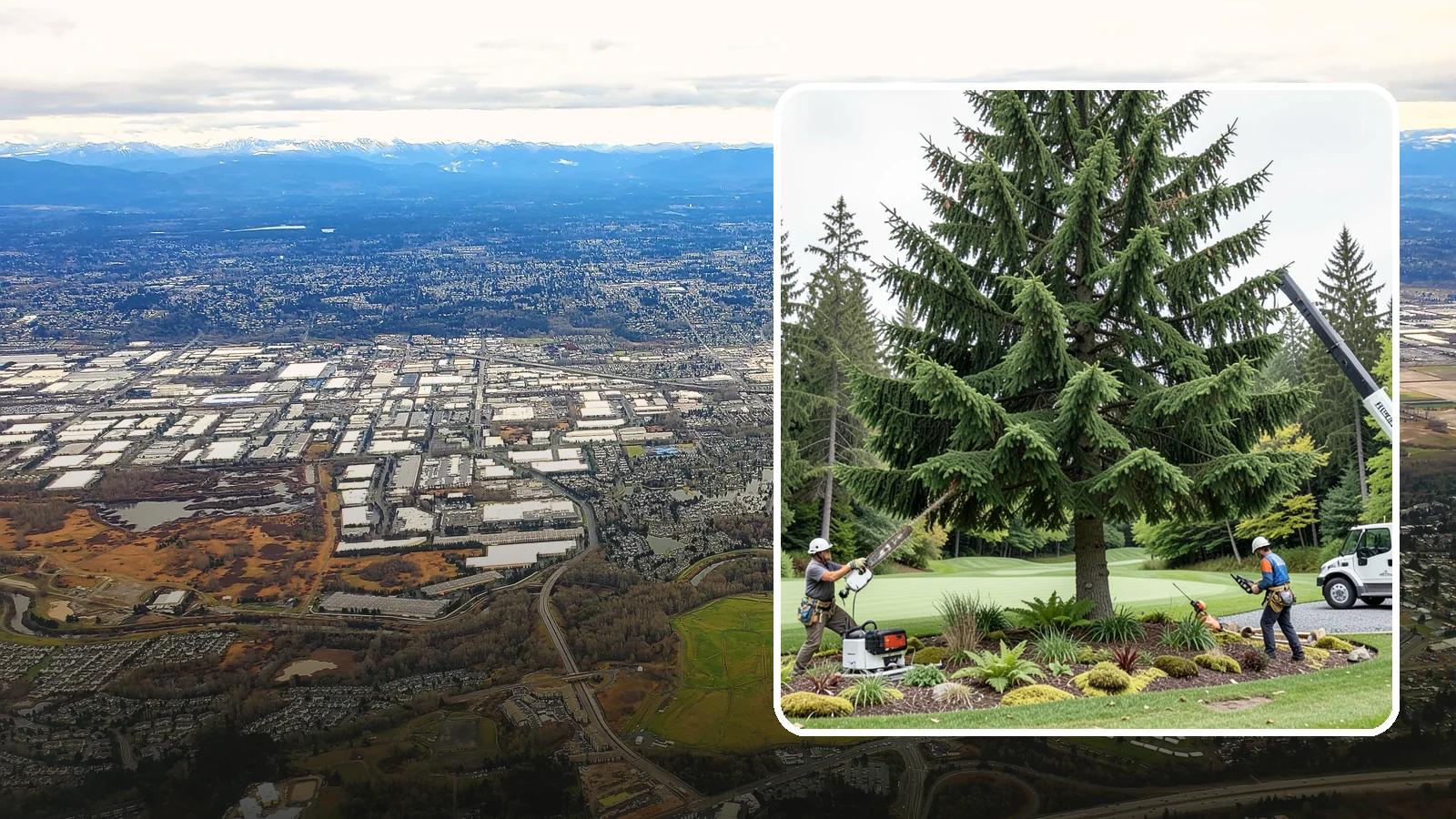
Kent Golf Course Tree Maintenance
Specialized tree care for golf courses.
What should a golf course walk for trees before the season gets busy? Start with the trees beside play: dead or broken limbs over fairways, cart paths and tee boxes, leaning trunks, and maple leaves that brown at the edges in summer. Note each one with its hole number so work can be planned around play.
A written list of those trees lets a course set priorities. Hazard limbs come first, then canopy clearance and routine pruning, then watering and health checks on stressed trees.
About Golf Course Tree Maintenance in Kent
Specialized tree care is available specifically designed for golf courses that need expert attention on their grounds. This service helps property managers keep trees safe while maintaining the playability and aesthetic appeal of the course. It supports consistent upkeep without compromising safety or budget constraints.
What Kent Golf Course Tree Maintenance Includes
Golf course tree maintenance focuses on preserving both the health of individual trees and the overall look of the facility. Our trained crews use methods tailored to specific species, site conditions, and access points to ensure every task is done correctly. The work covers recurring pruning, detailed inspections, and general care plans that match recognized arboricultural standards.
Kent Golf Course Tree Maintenance Process
We begin by taking a full inventory and assessing all trees on your property to understand their unique needs. Once we have the facts, we develop a maintenance schedule with clear priorities for addressing deferred backlogs or high-traffic areas. Throughout the year, our team performs documented care tasks and updates these plans as conditions change across the site.
Equipment We Use for Kent Golf Course Tree Maintenance
To handle varied tree conditions safely, crews utilize pruning gear, rigging equipment, and aerial lifts when access requires elevation. Inspection tools help identify potential issues early, while chippers and hauling units manage debris efficiently from high-traffic zones. All personnel wear necessary personal protective equipment to ensure a secure environment for everyone involved in the work.
Kent Golf Course Tree Maintenance Safety & Best Practices
Work is carefully coordinated around active occupants and traffic flows to maintain safe boundaries throughout public areas of the course. We strictly follow recognized arboricultural standards and keep detailed records to hold ourselves accountable for every safety decision made on site. Maintaining these clear zones ensures that operations run smoothly without risking liability or disrupting playability during peak times.
Signs You Need Golf Course Tree Maintenance in Kent
You may need this service if you notice a backlog of deferred maintenance affecting the condition of trees across your property. High-traffic areas near hazards often require specialized attention to prevent accidents and protect visitors from falling branches. Varied tree conditions in different parts of the site or difficulty coordinating crew access are also common indicators that professional help is needed.
What Affects the Cost of Golf Course Tree Maintenance in Kent
The final investment depends on factors like existing maintenance backlogs and how many high-traffic zones exist near potential hazards. Costs will vary based on the specific condition of trees across your entire property and any logistical challenges in getting crews to every location efficiently. These variables ensure we can provide budget-friendly care that matches the actual scope of work required for safety and aesthetics.
Best Time of Year for Kent Golf Course Tree Maintenance
While our team works year-round to keep playability high, schedules are often adjusted around peak golfing seasons when course usage is at its highest. We also monitor weather patterns closely; freezing temperatures may require us to pause certain pruning techniques until conditions improve. This flexible approach ensures that maintenance happens safely whenever the site allows for optimal results without disrupting operations.
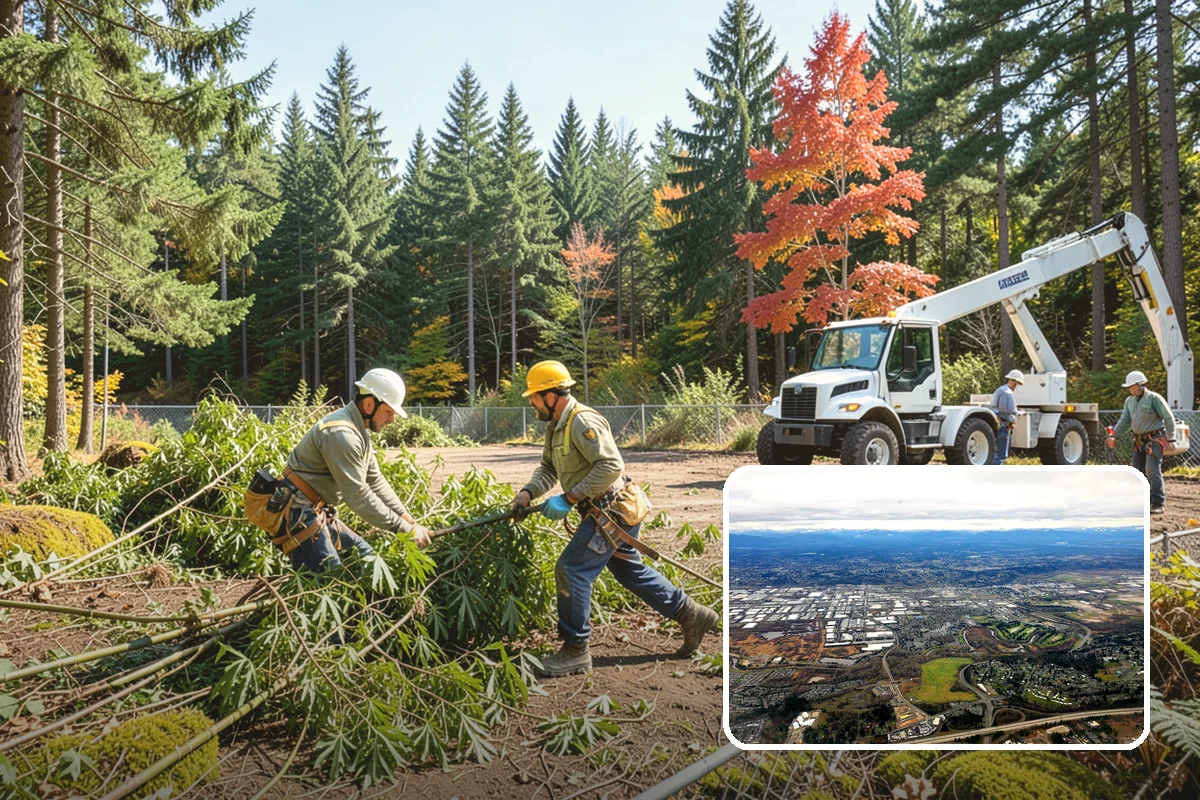
Tree care for Kent golf courses: wind, water and planning
Kent has at least three golf properties listed in OpenStreetMap: Meridian Valley Country Club, Riverbend 18-Hole Golf Course and Riverbend Golf Complex. Each has different tree layouts, so the plan should follow the course, not a template.
Plan for wind
The forecast zone that includes Kent logged 38 high and strong wind episodes from 2005 to 2025. That is a zone-wide record, not a count for any one course. It still tells us that limbs and tall trees along fairways will be tested by wind repeatedly. We look for cracked unions, deadwood, decay at the base and heavy limbs reaching over play areas. Pruning follows ISA and ANSI A300 practice: proper cuts at the branch collar, and no topping.
Water stressed trees in dry spells
WSU HortSense advises that to prevent leaf scorch on maples, you irrigate during dry periods and wet the entire root zone without overwatering. On a course, that matters because turf irrigation often does not match what a tree needs. Frequent shallow sprinkling reaches grass roots but may miss the deeper zone under a tree's canopy. Ask your grounds staff which trees sit outside the regular irrigation schedule, and flag any that show scorched leaf margins.
Match species to the climate
The USDA map from 2023 places Kent in plant hardiness zone 8b, with parts of the city running from 8b to 9a. For replacement planting, that gives a general guide to which species can handle winter lows here. Site conditions such as drainage, soil and space for the mature tree matter just as much.
If you want a course walk-through, our ISA Certified Arborist can assess the trees and write up the work in order of priority. Call or text 425-484-4442 for a free estimate.
Kent tree conditions at a glance
| USDA hardiness zone | 8b (8b to 9a across the city) |
|---|---|
| Tree City USA | 24 years |
| High and strong wind episodes, 2005-2025 | 38 in the forecast zone |
| Soils | 60% of land has hardpan or another restrictive layer within 40 in; most common series Alderwood |
Tree removal rules in Kent
Kent’s published rules don’t spell out clearly which removals need city approval. We check with the city before work starts.
Sources: Daymet daily weather (NASA/ORNL), NOAA Storm Events, USDA plant hardiness map 2023, NRCS soil survey, USGS elevation, WA DNR landslide inventory, USDA Forest Service aerial survey, WSDA, city tree assessments and street-tree inventories, SILVIS Lab, Arbor Day Foundation, and official city and utility pages.
Golf Course Tree Maintenance Serving Kent
Kent
Golf course tree maintenance in nearby areas
Also serving Kent
- Memorial Tree Planting in Kentat Washington City Services
- Monthly Landscape Maintenance in Kentat Washington Landscaping
- Retail Renovation in Kentat Washington Construction
- Loading Dock Cleaning in Kentat Washington Pressure Washing