Where Safety Meets Expert Tree Service.


Kenmore Tree preservation planning
A plan to protect trees before and during land-use changes.
About Tree Preservation Planning in Kenmore
Tree preservation planning helps protect your valued trees before and during land-use changes like development or new landscaping projects. This approach ensures that healthy specimens remain strong even as the site around them evolves. We work with homeowners who want to keep their landscape stable while making necessary improvements.
What Kenmore Tree Preservation Planning Includes
This service creates a detailed plan designed to maintain tree health throughout construction or renovation activities. Our trained crews use methods specifically matched to your unique tree species, site conditions, and access points. The goal is to catch potential issues early so they do not escalate into larger problems later on.
Kenmore Tree Preservation Planning Process
We begin by inspecting the specific tree and its surrounding environment to identify key factors like soil quality or existing pests. Based on these findings, we recommend and apply appropriate treatments while documenting our observations for future reference. Follow-up care is included in this process to ensure the recommended steps are effective over time.
Equipment We Use for Kenmore Tree Preservation Planning
Our teams utilize diagnostic tools and specialized equipment such as soil probes and sampling kits to assess tree conditions accurately. Depending on the job requirements, we may also use air excavation tools or injection systems for targeted treatments. All work is performed with necessary personal protective equipment to ensure a safe environment for everyone involved.
Kenmore Tree Preservation Planning Safety & Best Practices
We strictly follow label guidelines when applying any products used during our visits and take care to protect nearby soil and plantings. Our crews are trained to avoid damaging roots or trunks while performing essential tasks on your property. Accurate documentation of site conditions is also part of our safety protocol to ensure transparency in every project.
Signs You Need Tree Preservation Planning in Kenmore
You may need this service if you notice signs like compacted soils, girdling roots, or decline caused by past construction changes. Pests and diseases that threaten the stability of a tree are other clear indicators that professional planning could help. If you plan upcoming landscaping projects near mature trees, we can create a strategy to keep them healthy through the transition.
What Affects the Cost of Tree Preservation Planning in Kenmore
The investment for this service depends on factors such as the size of your trees and how accessible they are for our crews. Soil conditions that require probing or complex treatments for pests will also influence the overall cost. Additionally, site accessibility for heavy equipment like air excavation tools plays a significant role in determining pricing.
Best Time of Year for Kenmore Tree Preservation Planning
While we can perform this service year-round, careful timing is essential to avoid working on frozen ground which complicates soil probing efforts. We also schedule work with an eye toward avoiding periods when active pest or disease cycles peak without protective treatments being available. Planning ahead ensures that our team can apply the most effective solutions during favorable conditions for your specific trees.
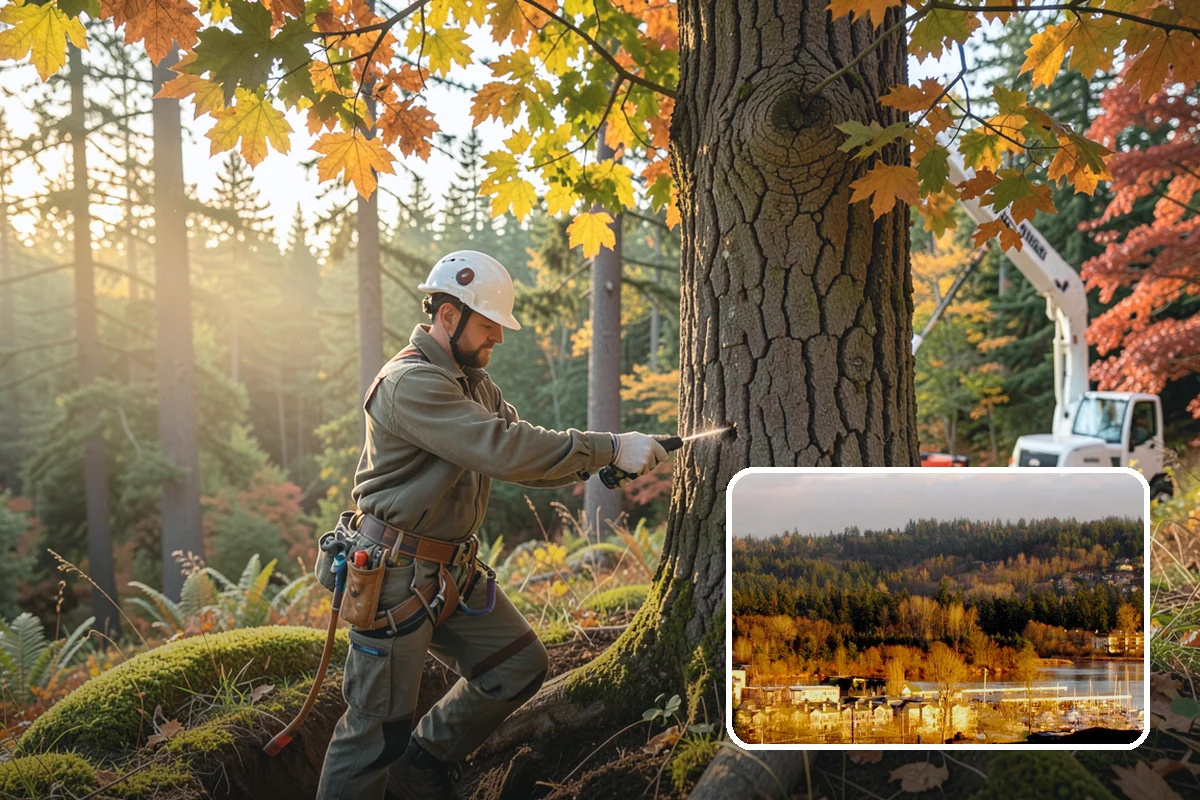
Tree Preservation Planning Serving Kenmore
Kenmore
A city at the north end of Lake Washington where the Sammamish River enters the lake.
Growing Conditions in Kenmore
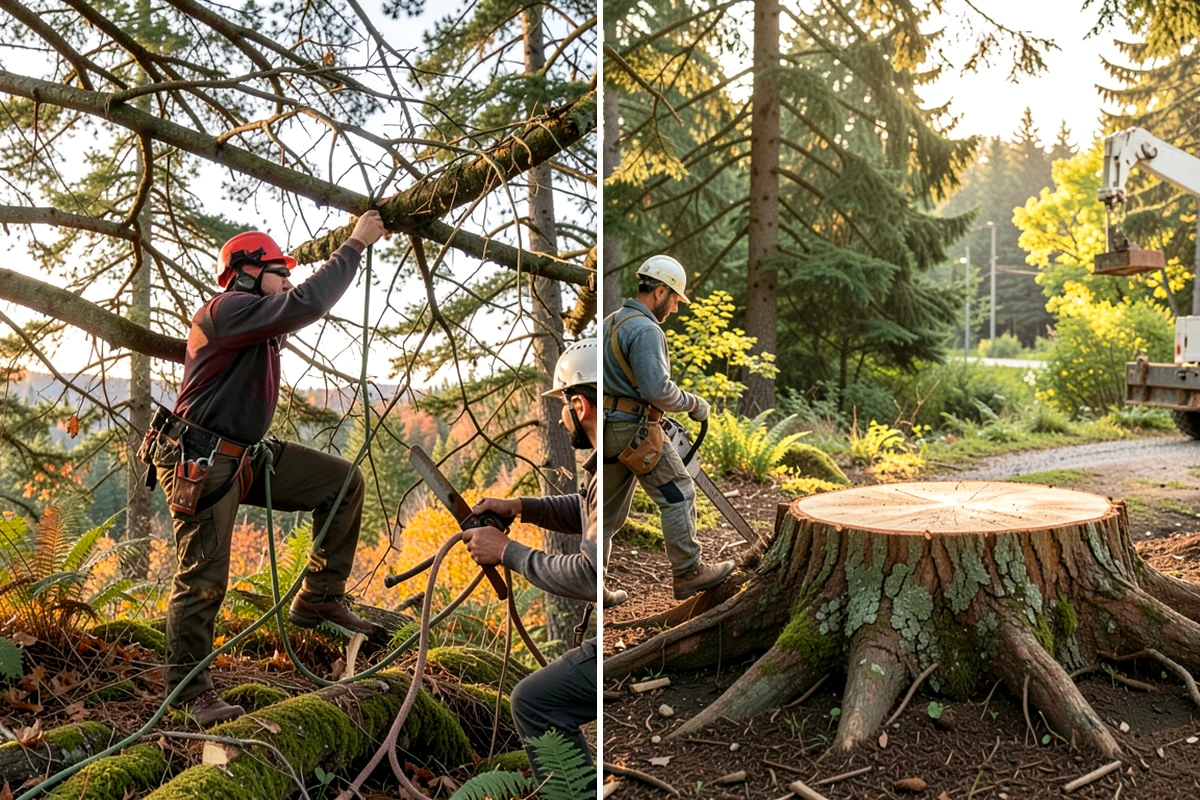
Permits & Local Notes for Kenmore

Tree preservation planning in nearby areas
Also serving Kenmore
- Boxwood Trimming in Kenmoreat Washington Landscaping
- Park Landscape Maintenance in Kenmoreat Washington City Services