Where Safety Meets Expert Tree Service.

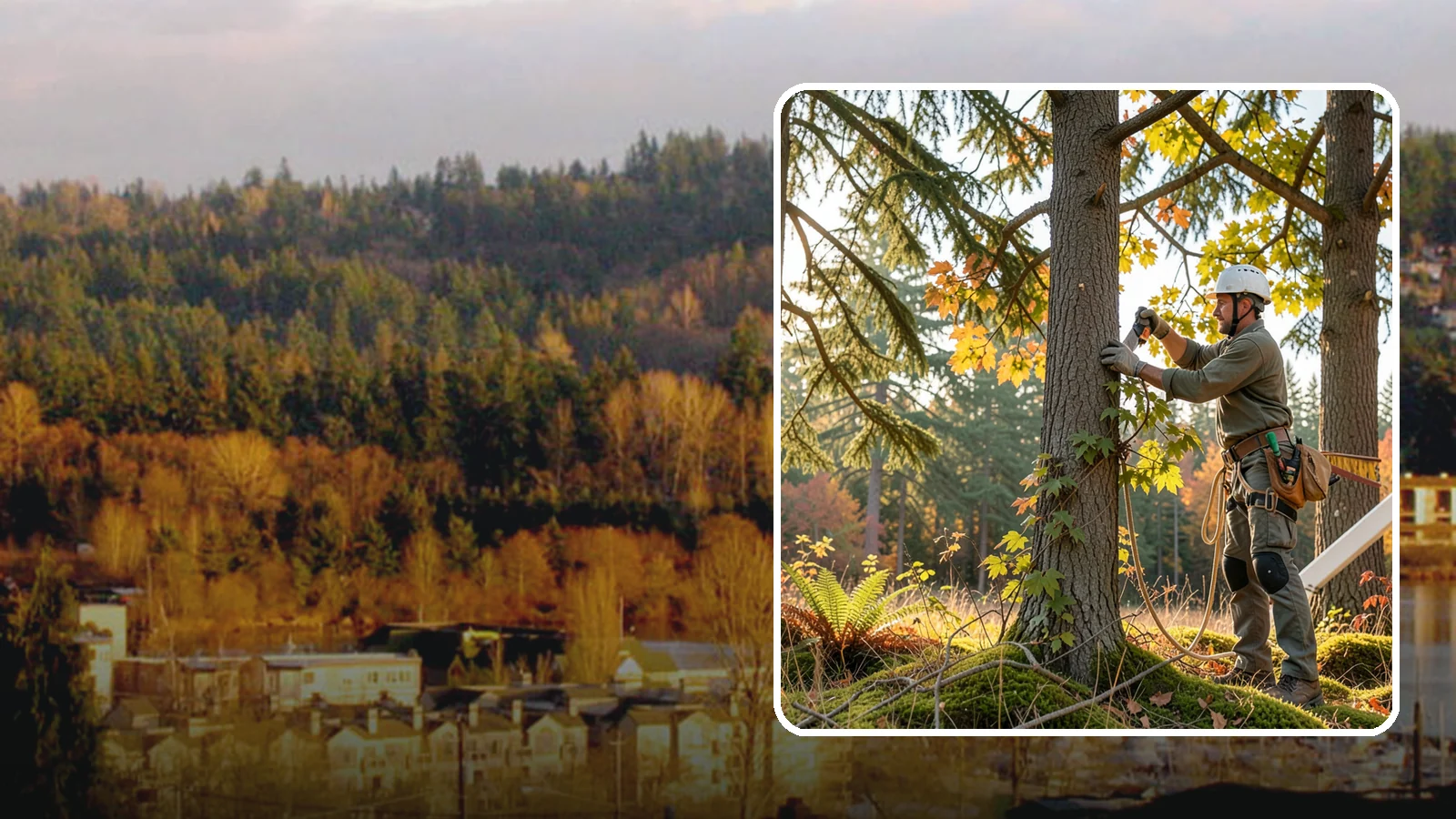
Kenmore Shrub Pruning
The pruning of shrubs for health and appearance.
In Kenmore, July is the driest month on average, which makes it a good time to prune shrubs that are prone to disease. Cuts made in dry weather have a better chance to seal without staying wet, and that matters most for shrubs and small trees with known infections.
Shrub pruning is more than trimming for shape. Done well, it opens up the plant, removes dead or crossing stems and keeps the shrub at a size that suits its spot. Here is how we approach the work and what you can do to plan for it.
About Shrub Pruning in Kenmore
We offer shrub pruning to help homeowners keep their ornamental plantings healthy, tidy, and full of life throughout the year. Our trained crews work carefully to maintain the shape and vigor of your bushes while supporting strong flowering cycles. This service is designed for any property where you want well-defined borders or vibrant garden beds.
What Kenmore Shrub Pruning Includes
Shrub pruning focuses on maintaining the health and appearance of your plants by shaping them, encouraging dense growth, and extending their lifespan. We use methods that match each specific shrub species to its site conditions, ensuring we never over-prune or cause unnecessary stress. The goal is always to keep your plantings looking neat while allowing interior branches to receive enough light and air.
Kenmore Shrub Pruning Process
Our team begins by assessing the current condition of your plants and discussing what you hope to achieve with them next. We then select cuts that are appropriate for the species and season, shaping or thinning as needed without removing too much live growth at once. After completing the work, we clean up all trimmings from the site so your yard remains neat and ready for enjoyment.
Equipment We Use for Kenmore Shrub Pruning
To perform this service safely and effectively, our crews use a mix of hedge trimmers, hand pruners, and saws on poles or by hand depending on access needs. We bring collection equipment to gather cut branches and debris right away, keeping the work area clear during and after the job. All tools are kept sharp and clean to ensure smooth cuts that heal quickly for your plants.
Kenmore Shrub Pruning Safety & Best Practices
Safety is a priority as we use eye protection with powered trimmers and follow strict guidelines to avoid damaging new growth in our variable weather. We prune according to species requirements and seasonal timing to prevent stressing the plant or encouraging disease entry through improper wounds. Keeping tools sharp also reduces the risk of slipping or making jagged cuts that could harm your shrubs.
Signs You Need Shrub Pruning in Kenmore
You may need this service if you notice overgrown bushes, neglected growth, or plants with thinning interiors due to past shearing mistakes. Signs like missed spring blooms on certain species or branches dying back from lack of light and air also indicate it is time for a trim. If your plantings look untidy or have become difficult to walk through in the garden path, we can help restore their form and function.
What Affects the Cost of Shrub Pruning in Kenmore
The price for shrub pruning depends largely on the size and complexity of each shrub species as well as how easy they are to reach from the ground. Costs also vary based on site access conditions and the volume of trimmings that need to be collected and hauled away after cutting. Every job is unique, so we evaluate these specific factors before providing a quote for your property.
Best Time of Year for Kenmore Shrub Pruning
The best time to prune usually falls during dormancy for spring-blooming shrubs or immediately after they finish flowering in the summer months. We avoid late winter cuts because unpredictable Puget Sound weather can damage new growth that emerges too early from those wounds. Following these seasonal windows ensures your plants stay healthy and continue their natural blooming cycles year after year.
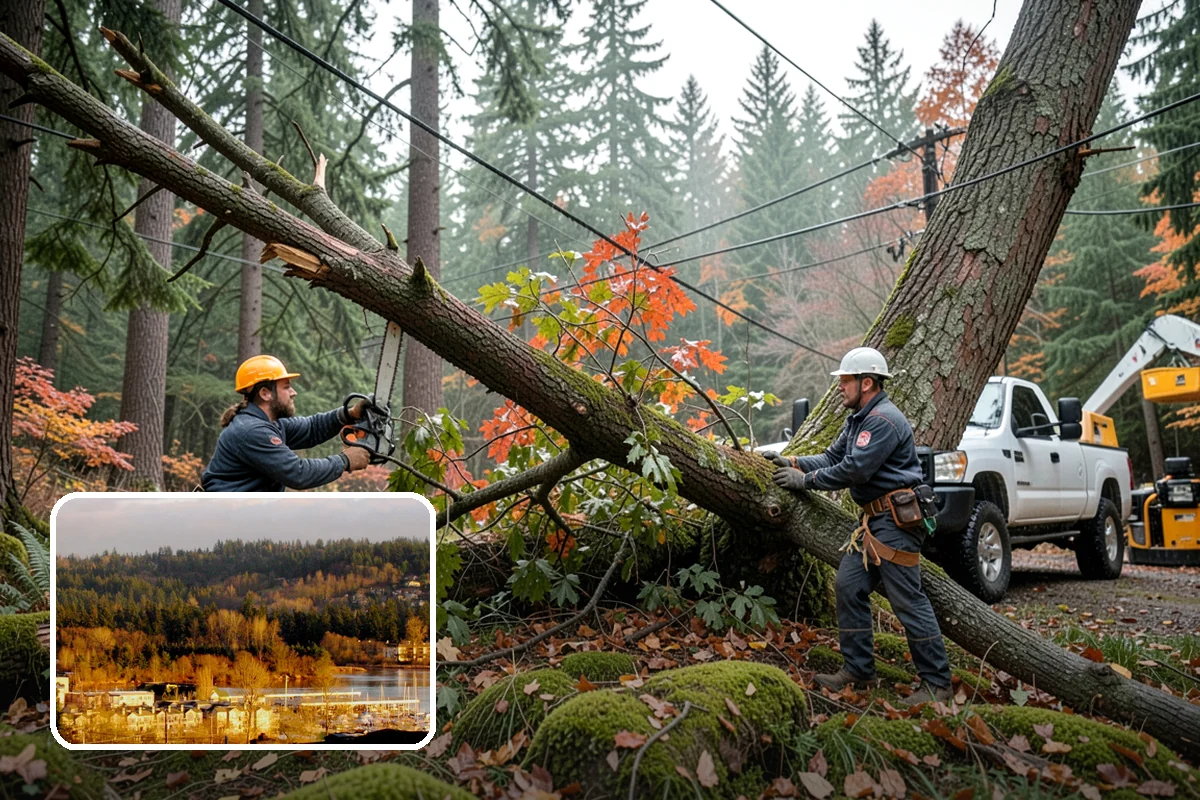
How shrub pruning works for Kenmore yards
Good pruning starts with a look at the plant, not the shears. We check what the shrub is, where it sits, and why it needs work. A hedge crowding a walkway needs a different cut than an overgrown rhododendron or a shrub with diseased stems.
The basic steps
- Remove dead, broken and damaged stems first.
- Take out crossing or rubbing branches that wound each other.
- Thin crowded growth so light and air reach the center.
- Shorten stems back to a bud or a side branch, not to a blunt stub.
- Clean up clippings so diseased material does not stay on the ground.
Why the weather matters here
Rain shapes the schedule. In Kenmore, about 81% of the year's rain and snow falls from October to April, based on Daymet data for 2005 to 2025. Wet months keep pruning wounds damp and help fungi and bacteria spread. For routine thinning, that is a reason to plan cuts for drier stretches when you can.
July is the driest month on average, so it is the natural window for disease-related cuts. Washington State University's HortSense guidance on bacterial canker in cherry says to prune out infected wood in dry weather, well below the canker, and to sterilize tools often. That advice is written for cherry, but the same care with tools is sensible any time we cut out diseased wood. Wiping blades between cuts keeps us from carrying the problem from one stem to the next.
Choosing plants and timing
Kenmore falls in USDA hardiness zone 9a, with parts of the city running from 8b to 9a, according to the 2023 USDA map. That range is mild enough for many common landscape shrubs, so the question is usually when to prune rather than whether a plant will survive. Flowering shrubs are often best cut right after they bloom, so you do not remove next year's buds.
If you are unsure what a shrub needs, call or text 425-484-4442 for a free estimate. We will look at the plants and explain the cuts before we start.
Kenmore tree conditions at a glance
| USDA hardiness zone | 9a (8b to 9a across the city) |
|---|---|
| Rain and snow falling October to April | 81% of the year’s total |
| Tree canopy | Among the most heavily treed Puget Sound cities (satellite data) |
| Days that freeze at night and thaw by day | 30 a year |
| Electric utility | Puget Sound Energy (PSE) |
Trees near the power line to your house
Puget Sound Energy (PSE): Service line (wire from PSE pole to home or meter pole): PSE does not trim it; homeowner/private arborist trims.
PSE performs a safety disconnection so the homeowner or private tree trimmer/arborist can work; Call at least 5 business days ahead to check crew availability and potential charges.
Safety disconnect: 1-888-321-7779 (5+ business days ahead). Utility page.
Any fee for a disconnect is set by the utility.
Most common street trees in Kenmore
- Douglas-fir11.3%
- Eastern arborvitae9.8%
- Red alder8.4%
- Western red cedar7.4%
- Bigleaf maple5.1%
- Black cottonwood4.8%
Share of 12,435 trees in the city’s street-tree inventory; median trunk diameter 10.0 in, 14.0% at 24 in or wider.
Sources: Daymet daily weather (NASA/ORNL), NOAA Storm Events, USDA plant hardiness map 2023, NRCS soil survey, USGS elevation, WA DNR landslide inventory, USDA Forest Service aerial survey, WSDA, city tree assessments and street-tree inventories, SILVIS Lab, Arbor Day Foundation, and official city and utility pages.
Shrub Pruning Serving Kenmore
Kenmore
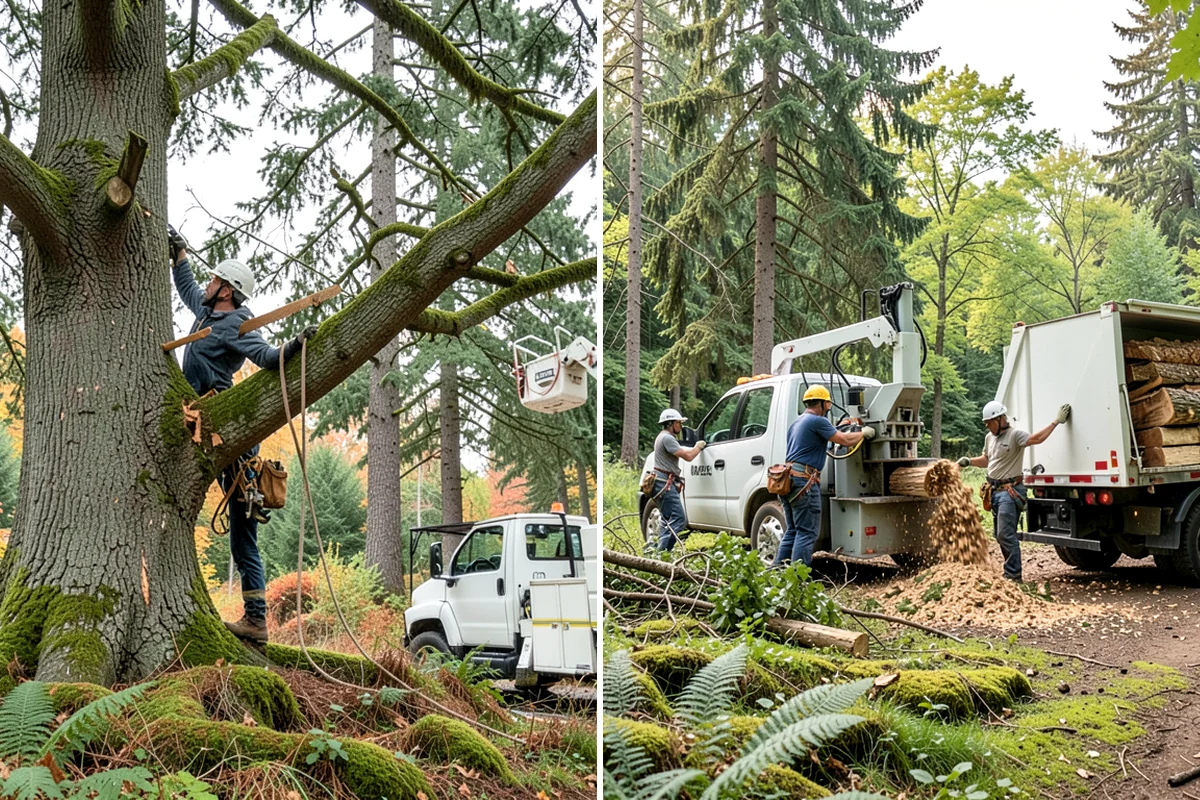
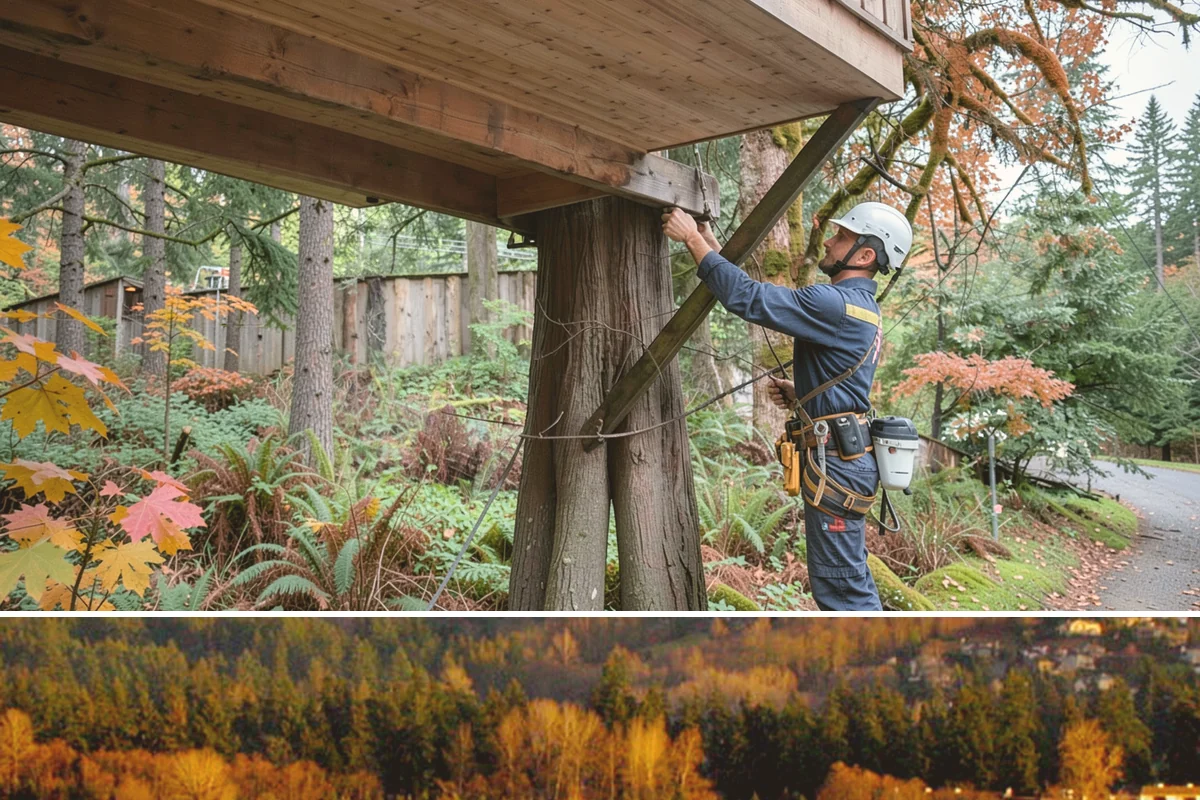
Shrub pruning in nearby areas
Also serving Kenmore
- Emerald Green Arborvitae Trimming in Kenmoreat Washington Landscaping
- Municipal Landscape Maintenance in Kenmoreat Washington City Services