Where Safety Meets Expert Tree Service.

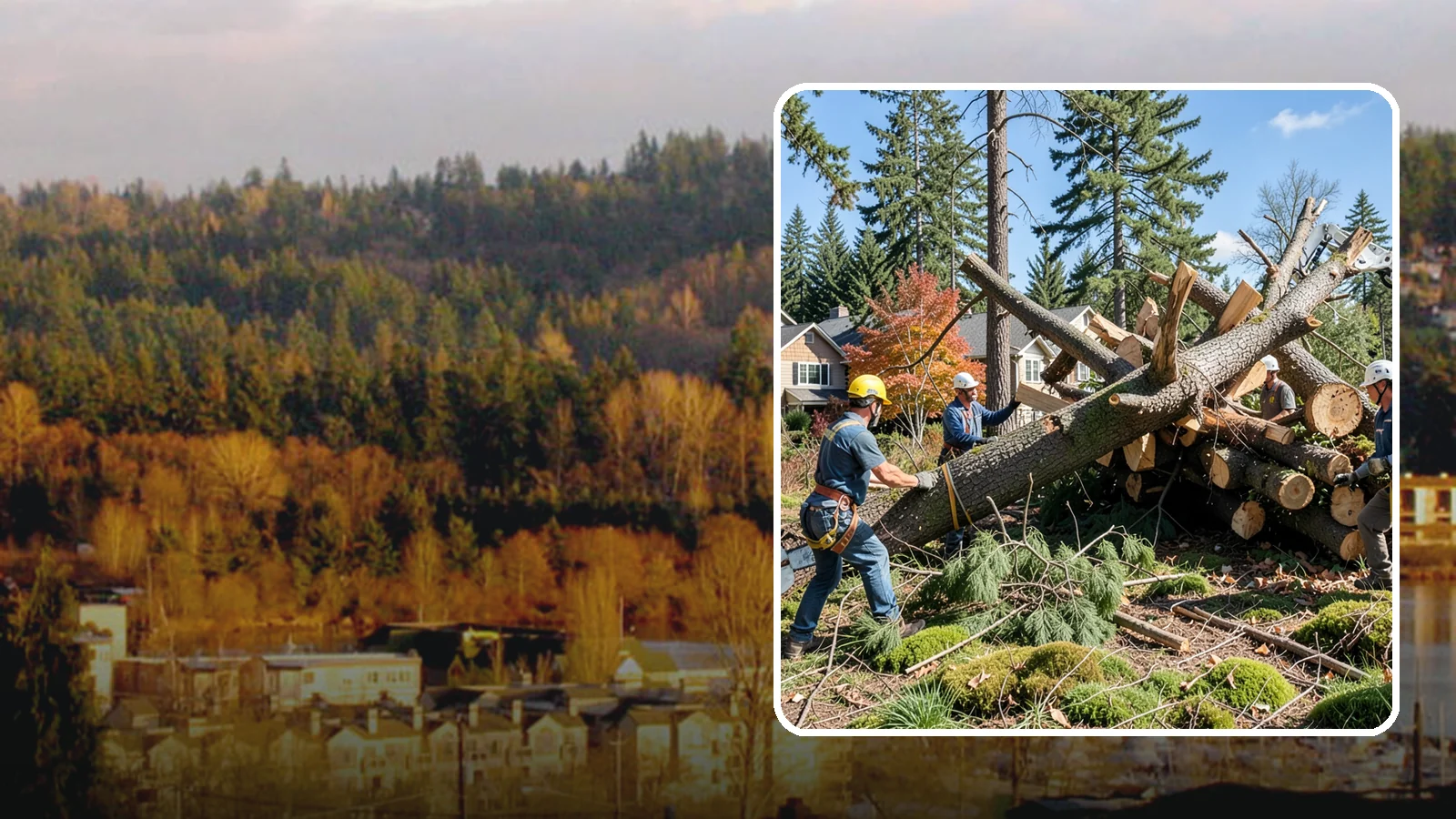
Kenmore Hazardous Tree Removal
The controlled removal of trees that pose a safety risk due to structural defects, decay, or dangerous lean.
This service is for Kenmore owners who have a tree that is leaning, split, hanging over a house, driveway or play area, or damaged after a storm. It also fits trees with a broken top or large limbs that have come loose and are still caught in the canopy.
If you are not sure whether a tree is dangerous, start by looking at it from a safe distance. Note any cracks, torn bark, or branches that hang or sit at an odd angle. Photos help, and so does keeping people and vehicles out from under the tree until it has been looked at.
About Hazardous Tree Removal in Kenmore
If a tree on your property shows signs of danger, our team is here to help you remove it safely. This specialized service protects people, homes, and utilities from trees that have become unstable or decayed. We work with homeowners across the region who need immediate attention for hazardous conditions.
What Kenmore Hazardous Tree Removal Includes
Hazardous tree removal involves carefully taking down trees that pose a safety risk due to structural defects, decay, or dangerous lean. This process is necessary when a tree threatens your property and cannot be made safe through simple pruning or support systems. Our crews use controlled methods matched specifically to the species of tree and conditions on your site.
Kenmore Hazardous Tree Removal Process
The work begins with an on-site assessment to evaluate hazards before establishing clear drop zones and safety perimeters. Trained professionals then rig limbs or fell the stem in a controlled sequence while processing the wood for disposal. Once the removal is complete, we clear all debris from the area to leave your property clean and safe.
Equipment We Use for Kenmore Hazardous Tree Removal
We utilize chainsaws and climbing gear along with specialized rigging equipment to handle difficult removals safely. Depending on the job site requirements, an aerial lift or crane may be used alongside a wood chipper for efficient cleanup. Ground protection measures are also in place to shield your landscaping during these operations.
Kenmore Hazardous Tree Removal Safety & Best Practices
Our crews maintain strict safety protocols by keeping drop zones clear and planning controlled fall paths away from structures. We always identify overhead utility lines before starting work and inspect trees thoroughly for hidden decay or defects. Every team member uses proper fall protection and communicates constantly with ground personnel to ensure a safe environment.
Signs You Need Hazardous Tree Removal in Kenmore
You may need this service if you notice an unpredictable lean, visible cracks in the trunk, or signs of internal rot that threaten your home. Situations where a tree is close to power lines or blocking access often require immediate professional intervention rather than simple trimming. If standard pruning cannot stabilize the situation, removal becomes the necessary step for safety.
What Affects the Cost of Hazardous Tree Removal in Kenmore
The final cost depends on factors such as the size of the tree and any hidden internal decay that complicates the work. Proximity to structures or power lines also influences pricing, as does limited access for heavy equipment at your site. Additionally, requirements for wood disposal will play a role in determining the overall expense of the project.
Best Time of Year for Kenmore Hazardous Tree Removal
While we can perform this service year-round with appropriate planning, wet seasons may require specialized rigging gear to manage slippery conditions. Operations must pause immediately if high winds threaten an unstable tree leaning dangerously toward your property or neighbors. We schedule work at times that prioritize safety while accommodating the specific needs of each site condition.
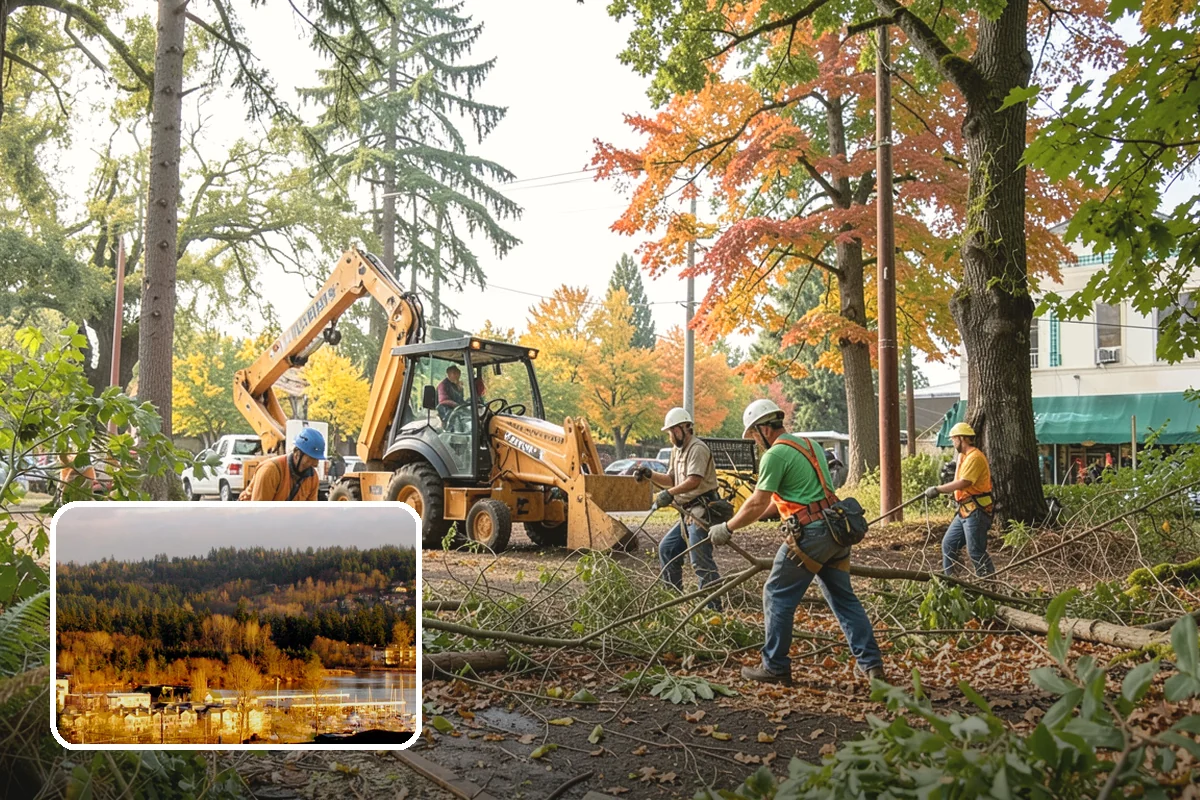
Removal, pruning or monitoring for a risky tree in Kenmore
Not every worrying tree has to come down. The choice depends on the damage, the tree's position and what it could hit.
Your options
- Monitor: suits a tree with minor, stable defects and nothing valuable beneath it. Recheck after each storm.
- Targeted pruning: removes broken or hanging branches, or deadwood, when the trunk and root system look sound. Standard practice removes defective parts, not the whole crown, and we do not recommend topping.
- Removal: fits a split trunk, a broken leader, a tree leaning with soil heaving at its base, or major decay near a target.
What local conditions favor
The National Weather Service forecast zone that includes Kenmore logged 33 high and strong wind episodes from 2005 to 2025. The strongest gust recorded in that zone was 72 mph on December 17, 2010. These are zone figures, not measurements from your yard. They do mean a defect that looks minor can be tested repeatedly by wind, so a cracked or split tree leans toward removal rather than waiting.
WA DNR also maps 4 landslides in Kenmore. If your tree stands on or below a steep slope, or the ground around it has moved, tell us. Roots may be holding soil in place, and how the tree is taken down and the stump handled can matter as much as the removal itself.
WA DNR's Tree Link guidance on storm damage lists broken or hanging branches, torn bark, frost cracks, split trees and broken leaders as signs of injury. Hanging branches and broken leaders are often urgent, because they can fall without warning.
Permits
The published Kenmore tree rules we found don't clearly say which removals need city approval. We check with the city before work starts, so you are not left guessing.
Call or text 425-484-4442 for a free estimate. Our ISA Certified Arborist can assess the tree and help you choose among these options.
Kenmore tree conditions at a glance
| USDA hardiness zone | 9a (8b to 9a across the city) |
|---|---|
| Tree canopy | Among the most heavily treed Puget Sound cities (satellite data) |
| Slopes | Some steep slopes |
| Landslides mapped by WA DNR | 4 |
| Soils | 51% of land has hardpan or another restrictive layer within 40 in; most common series Alderwood |
| High and strong wind episodes, 2005-2025 | 33 in the forecast zone |
| Electric utility | Puget Sound Energy (PSE) |
Tree removal rules in Kenmore
Kenmore’s published rules don’t spell out clearly which removals need city approval. We check with the city before work starts.
Trees near the power line to your house
Puget Sound Energy (PSE): Service line (wire from PSE pole to home or meter pole): PSE does not trim it; homeowner/private arborist trims.
PSE performs a safety disconnection so the homeowner or private tree trimmer/arborist can work; Call at least 5 business days ahead to check crew availability and potential charges.
Safety disconnect: 1-888-321-7779 (5+ business days ahead). Utility page.
Any fee for a disconnect is set by the utility.
Strongest wind events near Kenmore
- Dec 17, 2010: gusts to 72 mph
- Feb 7, 2012: gusts to 70 mph
- Dec 14, 2006: gusts to 68 mph
NOAA Storm Events, forecast zone that includes Kenmore, 2005-2025.
Sources: Daymet daily weather (NASA/ORNL), NOAA Storm Events, USDA plant hardiness map 2023, NRCS soil survey, USGS elevation, WA DNR landslide inventory, USDA Forest Service aerial survey, WSDA, city tree assessments and street-tree inventories, SILVIS Lab, Arbor Day Foundation, and official city and utility pages.
Hazardous Tree Removal Serving Kenmore
Kenmore
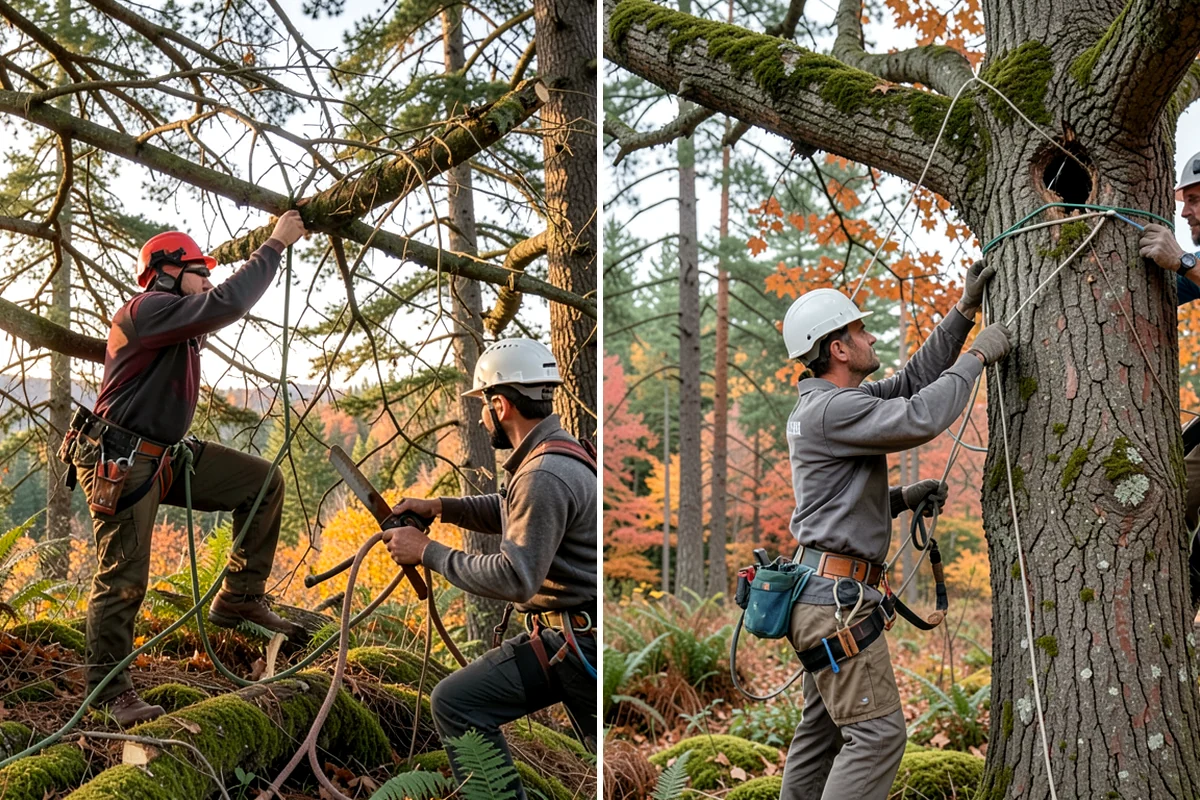
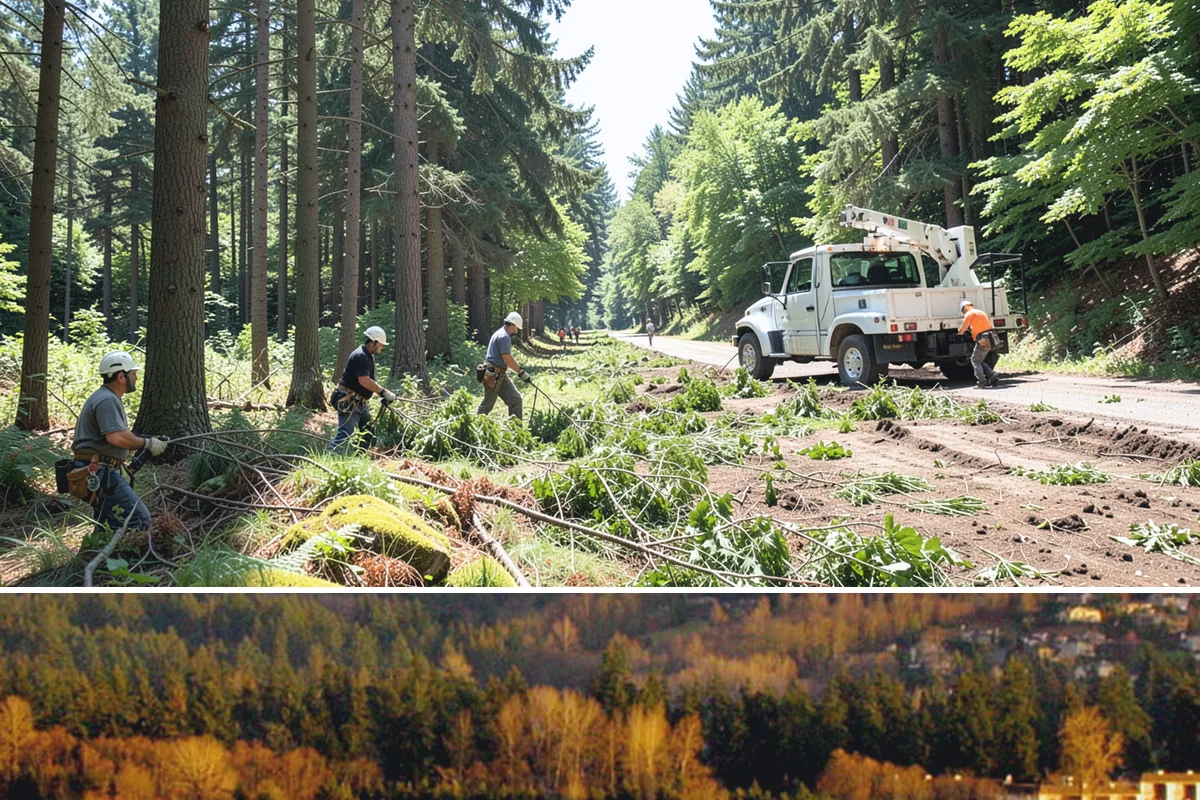
Hazardous tree removal in nearby areas
Also serving Kenmore
- Privacy Hedge Planting in Kenmoreat Washington Landscaping
- Trail Clearing in Kenmoreat Washington City Services
- Log Bucking in Kenmoreat Washington Firewood