Where Safety Meets Expert Tree Service.


About Drone Tree Inspections in Kenmore
Drone tree inspections offer a safe way to see your trees from above without climbing or damaging branches. This aerial assessment helps homeowners understand the health of their canopy and plan for long-term care. It is designed for anyone who needs an objective look at hard-to-reach areas that ground-level views miss.
What Kenmore Drone Tree Inspections Includes
This service provides an aerial inspection using a drone to evaluate the upper parts of trees safely. Our trained crews follow recognized arboricultural standards while tailoring their methods to your specific tree species and site conditions. The process includes gathering data, assessing current health, and creating clear documentation for permits or insurance needs.
Kenmore Drone Tree Inspections Process
We begin by collecting information about your property and individual trees before moving into the inspection phase. After analyzing our findings against established objectives and standards, we prepare straightforward recommendations tailored to your goals. Finally, we review these reports with you so you can make informed decisions about prioritizing care and budgeting for maintenance.
Equipment We Use for Kenmore Drone Tree Inspections
Our crews utilize specialized diagnostic and measurement tools alongside mapping and imaging equipment as needed. We also use professional documentation and reporting software to ensure every finding is recorded accurately. All work is conducted while wearing necessary personal protective gear to keep everyone safe on site.
Kenmore Drone Tree Inspections Safety & Best Practices
Every assessment relies strictly on observed evidence and recognized industry standards rather than guesswork. If there are limitations in what we can see or know, we will clearly disclose them before finalizing our report. We always recommend follow-up steps whenever uncertainty remains regarding the condition of a tree or its surroundings.
Signs You Need Drone Tree Inspections in Kenmore
You may need this service if you suspect hidden defects high up in your canopy that cannot be seen from the ground. Situations involving incomplete site history, competing objectives for land use, or varying regulatory requirements also call for an aerial check. This inspection is particularly useful when planning projects where accurate documentation of tree conditions is required.
What Affects the Cost of Drone Tree Inspections in Kenmore
The price depends on factors such as the species present at your location and how difficult it is to access certain areas. Site conditions and specific access needs will influence the complexity of assessing hard-to-reach sections within the upper canopy. These variables determine the scope of work rather than a fixed rate, ensuring we address exactly what you need.
Best Time of Year for Kenmore Drone Tree Inspections
Inspections can be scheduled year-round since our methods adapt to seasonal changes in foliage around Puget Sound trees. We adjust our approach based on how leaves and branches shift throughout the seasons to ensure defects remain visible for accurate assessment. This flexibility allows us to evaluate your trees whenever they are most accessible for a clear view of their condition.

Drone Tree Inspections Serving Kenmore
Kenmore
A city at the north end of Lake Washington where the Sammamish River enters the lake.
Growing Conditions in Kenmore

Permits & Local Notes for Kenmore
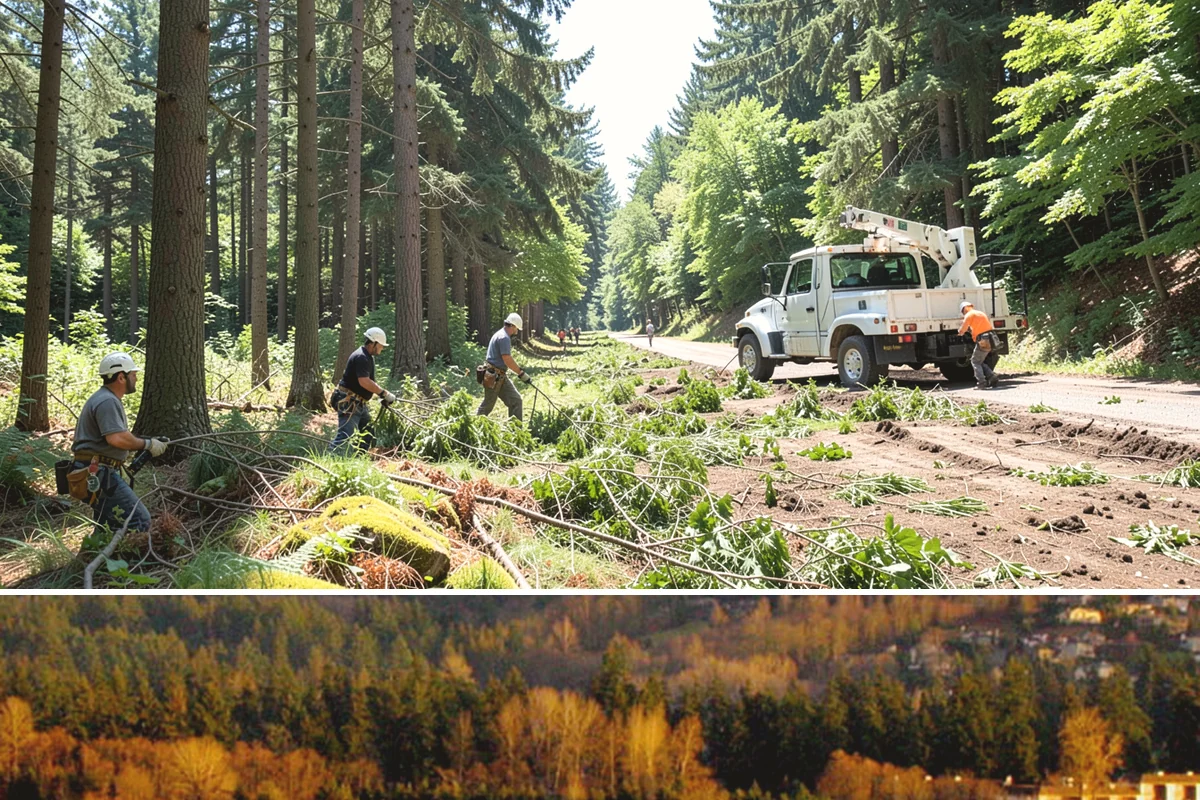
Drone tree inspections in nearby areas
Also serving Kenmore
- 3D Landscape Design in Kenmoreat Washington Landscaping