Where Safety Meets Expert Tree Service.

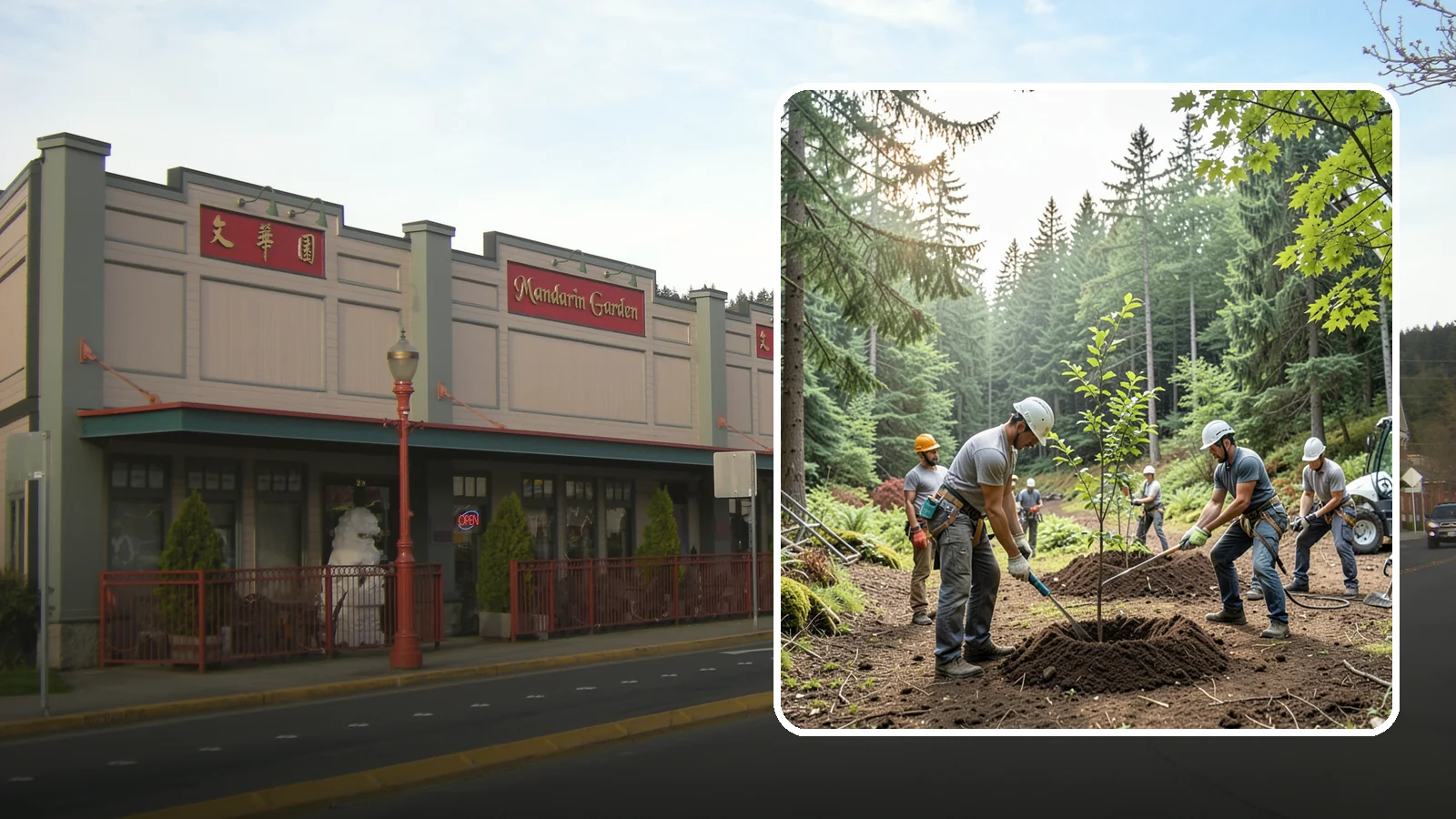
Issaquah Tree Planting
The selection and planting of new trees.
When is the right time to plant a tree in Issaquah? Fall is the usual first choice, and late winter to early spring is a second window. Both let roots settle before the hottest part of the year, which is the time to avoid.
Before you pick a tree, look at the spot. Check how water behaves after a hard rain, how much sun the space gets, and how much room the tree will have as it grows. Those answers matter more than the nursery tag, and they shape which species will do well on your lot.
About Tree Planting in Issaquah
Our tree planting services help homeowners establish new greenery that fits their property perfectly. We work with you to bring healthy trees suited to your specific location for long-term benefit. This project is ideal if you want to expand your shade or improve the ecology of your yard.
What Issaquah Tree Planting Includes
Tree planting involves carefully selecting and placing new trees where they will thrive best. Our trained crews use methods matched to each tree species, site conditions, and access points. The goal is always to establish healthy trees that support privacy, screening, and a richer environment for wildlife.
Issaquah Tree Planting Process
We begin by assessing your site conditions to choose the right species before preparing the soil. Once ready, we plant at the correct depth and spacing, then add mulch and water in each tree. Finally, we provide guidance on establishment care to ensure your new trees get off to a strong start.
Equipment We Use for Issaquah Tree Planting
Our crews utilize digging tools, watering equipment, and staking materials as needed for every job. We also bring soil amendments and fresh mulch to support the health of newly planted specimens. All work is done with personal protective equipment to keep our team safe throughout the project.
Issaquah Tree Planting Safety & Best Practices
Before any digging begins, we locate underground utilities to prevent damage or injury during installation. We select species suited to your site to avoid future conflicts between roots and structures. Planting at the proper depth and handling trees gently protects their root systems from harm.
Signs You Need Tree Planting in Issaquah
You may need this service if you want to restore tree cover lost over time or create new shade areas. It is also a great choice when aiming to improve privacy, screening views, or enhancing your site ecology. Establishing healthy trees suited to the location helps ensure these benefits last for years to come.
What Affects the Cost of Tree Planting in Issaquah
The price of planting depends on how difficult it is to access your specific site conditions. Costs are influenced by whether soil amendments are needed for poor or compacted ground and which tree species you choose. Necessary staking materials also play a role in the final cost based on what each project requires.
Best Time of Year for Issaquah Tree Planting
In our Pacific Northwest climate, planting works best during dormant seasons to minimize transplant shock for most trees. While evergreens can often be planted year-round with proper care, timing is key to reducing stress on new specimens. We will help you choose a season that gives your new trees the best chance to establish themselves successfully.
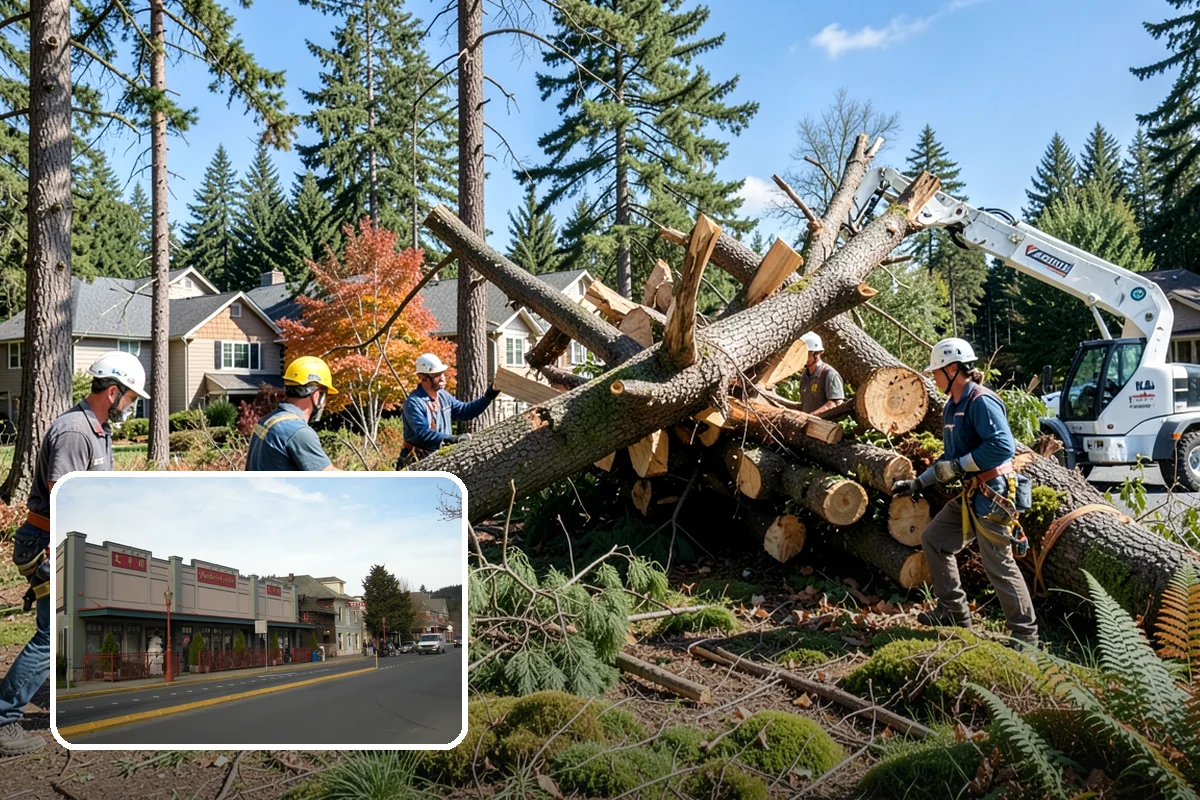
Planting a tree in Issaquah: soil, zone and timing
Check what is under the surface
The NRCS soil survey says 45% of the land in Issaquah has a hard or restrictive layer, such as glacial hardpan, within 40 inches of the surface. The most common soil series is Alderwood. That is survey data for the city as a whole, not a reading of your yard. It still matters, because a hardpan layer can hold water in the root zone. Drainage in the survey splits too: 33% of the land is well drained and 14% is poorly drained. A simple test is to dig a hole, fill it with water, and see how long it takes to empty. Slow drainage points toward species that tolerate wet feet, or toward planting on a slightly raised spot.
Match the tree to the zone
The USDA map from 2023 places Issaquah in hardiness zone 8b, with parts of the city ranging from 8b to 9a. A tree rated for that range should handle typical winter lows here. Zone is only one filter. Mature height, root habit, and distance from the house, driveway, and power lines should narrow the list further.
Pick your planting window
Besides fall, the WSU Extension Pacific Northwest Gardener's Handbook names late winter to early spring as a second planting window. It advises against planting right before or during the hottest part of the year. A tree planted in summer needs far more watering while its roots are still small.
Standard practice, in line with ISA guidance, includes:
- Digging a wide, shallow hole rather than a deep one
- Setting the root flare at or just above the soil line
- Spreading mulch in a ring, kept off the trunk
- Watering regularly through the first growing seasons
Issaquah is a current Tree City USA, recognized by the Arbor Day Foundation for 33 years. If you are unsure about a tree near the street or a protected area, we check with the city before work starts.
Issaquah tree conditions at a glance
| USDA hardiness zone | 8b (8b to 9a across the city) |
|---|---|
| Soils | 45% of land has hardpan or another restrictive layer within 40 in; most common series Alderwood; 33% well drained |
| Rain and snow falling October to April | 81% of the year’s total |
| Days that freeze at night and thaw by day | 33 a year |
| Tree City USA | 33 years |
Tree removal rules in Issaquah
A Tree Permit is required to remove significant trees; the only exemptions are removal of nonsignificant trees not otherwise protected, pruning that is not 'excessive', public agency/utility work in ROW/easements, and mineral extraction. Each removal must meet approval criteria in IMC 18.812.050 (e.g., nuisance trees, replacing dead significant trees, dying or diseased trees with qualified arborist recommendations).
Regulated size: 6 in.+ DBH, or alder/cottonwood 8 in.+ DBH, excluding King County Noxious Weed List species (per search-index text of city tree-code document.
Official city source. Rules change; we confirm with the city before work starts.
Sources: Daymet daily weather (NASA/ORNL), NOAA Storm Events, USDA plant hardiness map 2023, NRCS soil survey, USGS elevation, WA DNR landslide inventory, USDA Forest Service aerial survey, WSDA, city tree assessments and street-tree inventories, SILVIS Lab, Arbor Day Foundation, and official city and utility pages.
Tree Planting Serving Issaquah
Issaquah
Tree planting in nearby areas
Also serving Issaquah
- Native Plant Installation in Issaquahat Washington Landscaping
- Municipal Flower Program in Issaquahat Washington City Services