Where Safety Meets Expert Tree Service.

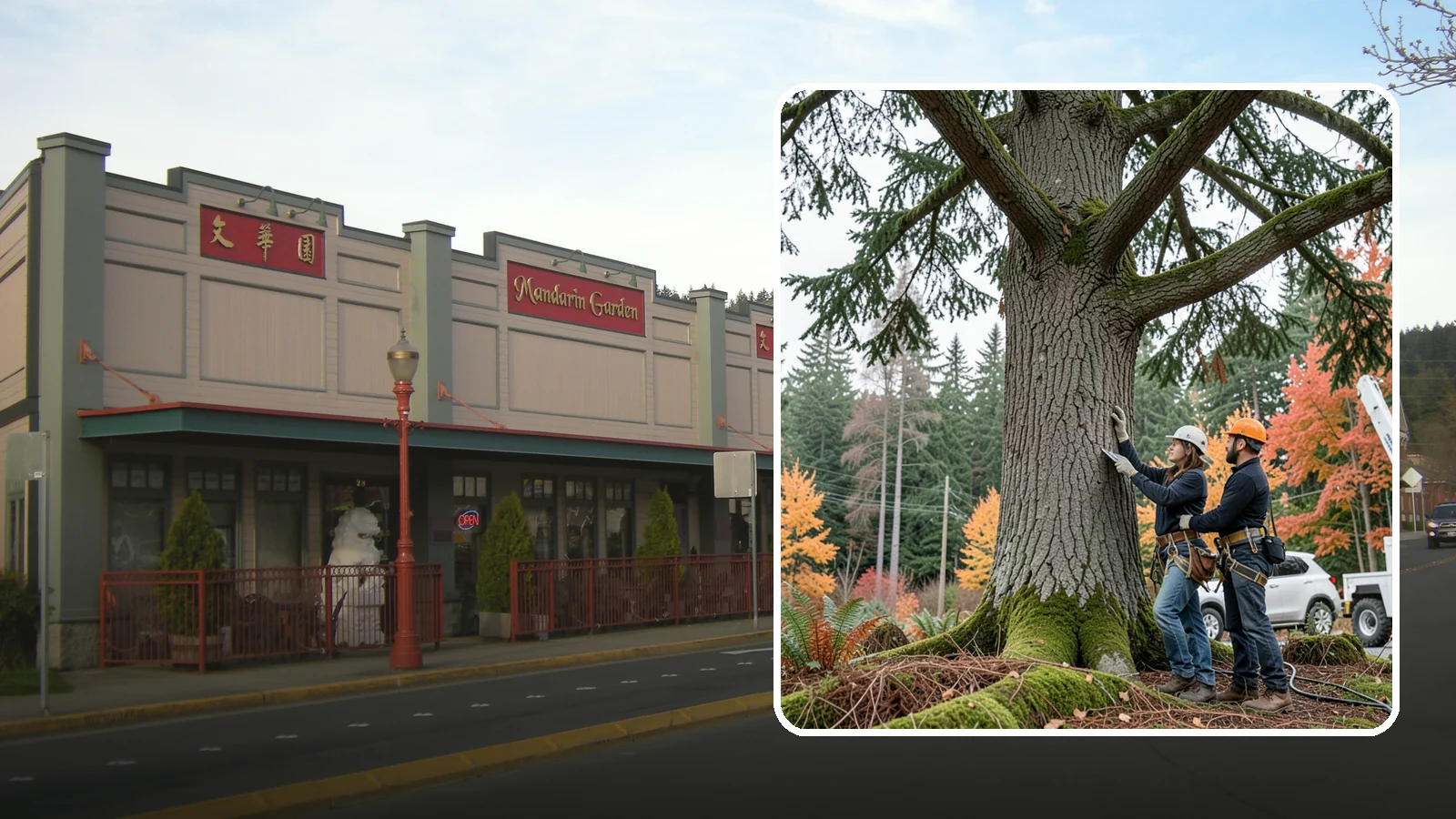
Issaquah Tree Appraisals
The valuation of trees as property assets.
What is a tree appraisal, and when do you need one? It is a written opinion of a tree's condition and value, prepared by someone trained to assess trees. Owners usually ask for one after storm damage, before a dispute with a neighbor, for an insurance claim, or when planning a project near a tree.
A useful appraisal starts with a close look at the tree itself: its size, species, structure, health and location. Photos and notes from the visit support the final report. If you already have documents, such as an insurance claim number or a neighbor's letter, have them ready.
About Tree Appraisals in Issaquah
Tree appraisals help homeowners understand their trees as valuable property assets rather than just landscape features. This expert guidance supports informed decisions for insurance claims, legal matters, or future planning needs. Whether you are preparing documentation or simply want to prioritize care effectively, our team is here to assist.
What Issaquah Tree Appraisals Includes
Our service provides an objective valuation of your specific trees based on recognized arboricultural standards. We match our methods carefully to the unique species present and current site conditions while considering access limitations. The result is clear documentation that can be used for permits or insurance purposes without guesswork.
Issaquah Tree Appraisals Process
Work begins by gathering detailed information about your property history and inspecting each tree’s condition thoroughly. Our trained crews analyze these findings against established objectives before preparing a report with specific recommendations. We conclude the process by reviewing our conclusions directly with you to ensure complete understanding of the results.
Equipment We Use for Issaquah Tree Appraisals
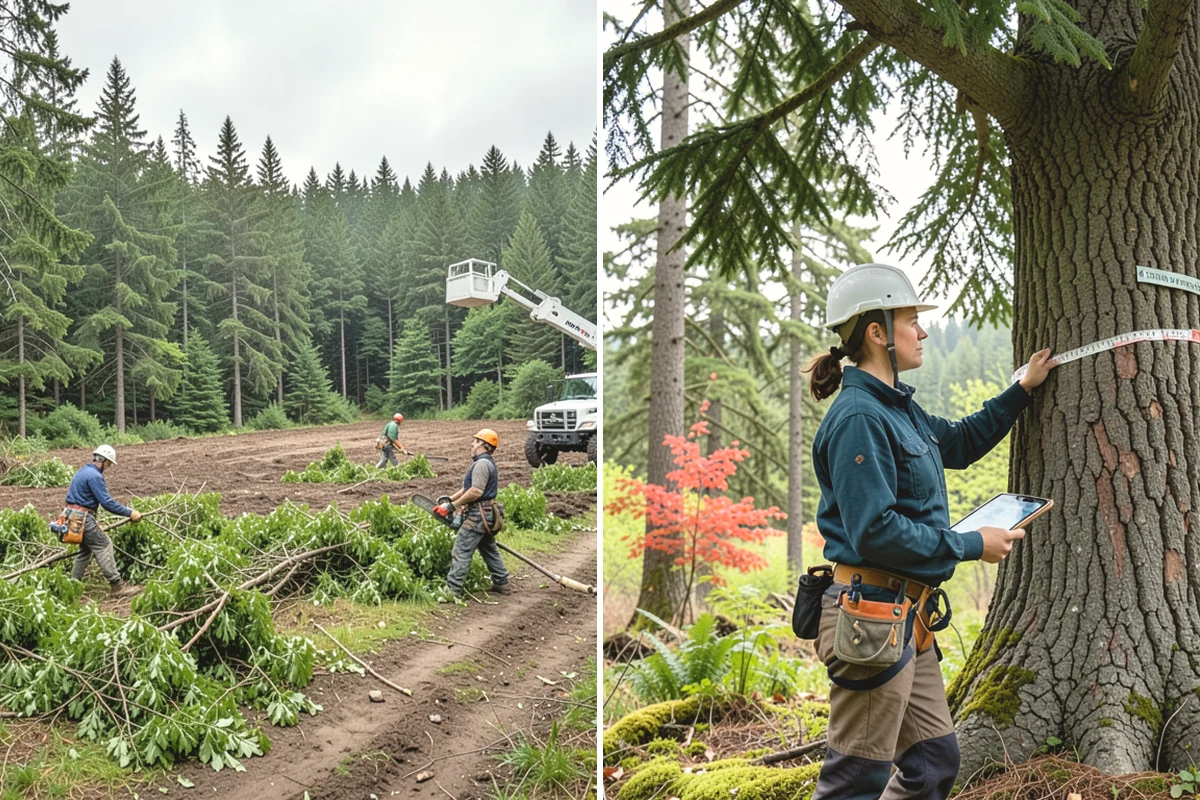
To gather accurate data, we utilize specialized diagnostic tools for measurement along with mapping and imaging equipment when necessary. Documentation software ensures all observations are recorded precisely while personal protective gear keeps everyone safe during inspections. These resources allow us to produce reliable reports that stand up to scrutiny from insurers or legal professionals.
Issaquah Tree Appraisals Safety & Best Practices
We base every finding on observed evidence rather than assumptions, ensuring our assessments remain grounded in reality. If any uncertainties exist regarding a specific condition, we will clearly disclose those limitations and recommend follow-up steps if needed. Accurate documentation of current conditions is essential for maintaining safety standards throughout the evaluation process.
Signs You Need Tree Appraisals in Issaquah
You may need an appraisal when dealing with insurance claims or navigating complex legal requirements related to your property trees. Situations involving competing objectives between different stakeholders often require this neutral, expert perspective to move forward fairly. Hidden defects that are not immediately visible can also necessitate a professional assessment before making major decisions.
What Affects the Cost of Tree Appraisals in Issaquah
The final cost is influenced by the specific tree species involved and how difficult access might be at your site location. Regulatory requirements vary by jurisdiction, which can impact the scope of work needed to meet local standards accurately. These factors combine to determine the appropriate level of detail required for your unique valuation needs.
Best Time of Year for Issaquah Tree Appraisals
While we can perform appraisals year-round given our favorable Puget Sound climate, some assessments require specific timing to detect hidden defects effectively. Certain tree species also have particular windows where recognized arboricultural standards dictate when an evaluation should occur for maximum accuracy. We will work with you to schedule the visit that best matches your project timeline and biological needs.
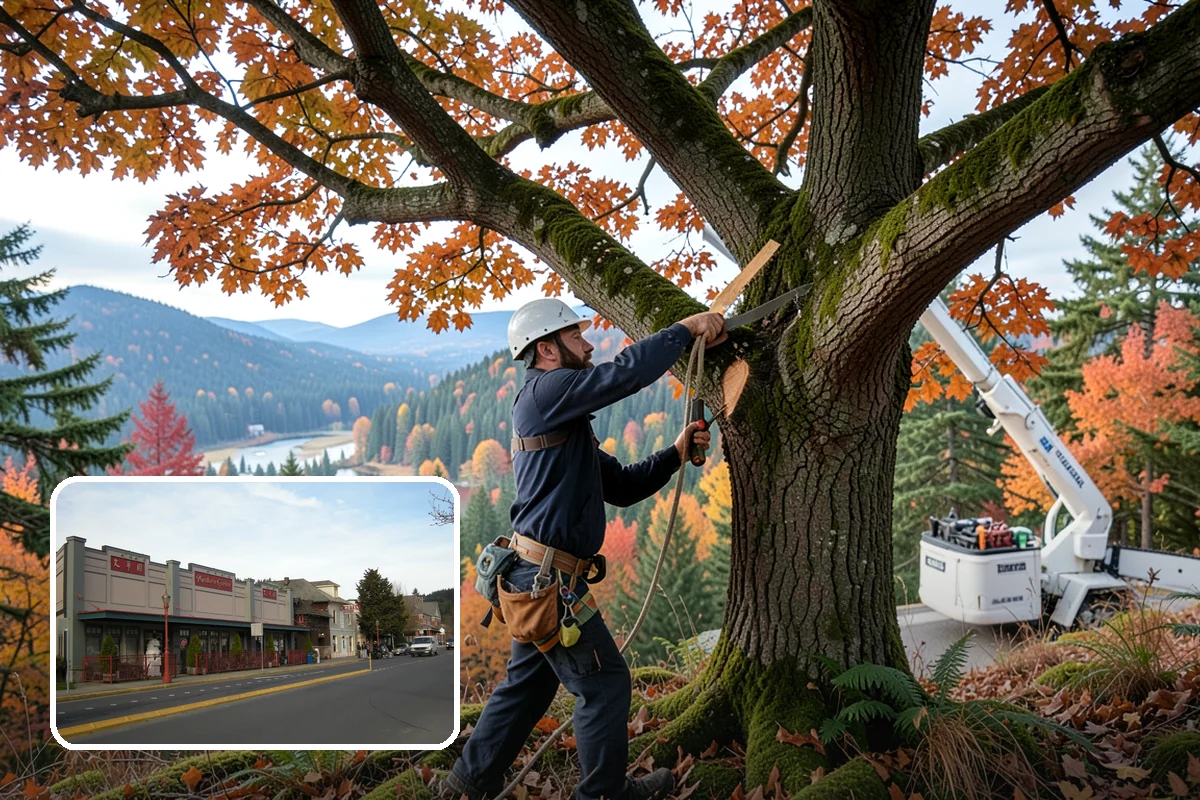
Tree appraisals in Issaquah: what to know before you book
What an appraisal looks at
An appraiser measures the trunk and notes the species, height and spread. They look for defects such as cavities, included bark, root damage and dead wood. They also consider how the tree sits on the site. A healthy, well-formed tree near a house is rated differently than a declining one in a crowded stand. The report explains how those findings led to the stated value, so you can follow the reasoning.
Why canopy and replacement rules matter here
Satellite tree-canopy data from USFS/NLCD 2025 puts Issaquah among the most heavily treed Puget Sound cities we compared. That is a citywide figure, not a statement about any one yard. It does help explain why the city has a replacement rule. Under IMC 18.812.060, the city's tree code calls for at least one replacement tree per tree removed, with a 20-year canopy equal to or greater than the removed trees. It may be waived if the site still meets canopy coverage targets.
That rule covers removal only. It does not describe pruning or other work. If you are appraising a tree you may remove, the replacement requirement can add to your planning. We check with the city before work starts, since a site's canopy numbers can change what applies.
Climate and species choice
The USDA map from 2023 lists Issaquah in hardiness zone 8b, with parts of the city ranging from 8b to 9a. This matters if an appraisal leads to replanting. Zone data helps narrow which species are likely to establish well, though soil, light and drainage on your lot still decide the final pick.
Getting started
Call or text 425-484-4442 to set up a visit. Our ISA Certified Arborist can assess the tree, and estimates are free.
Issaquah tree conditions at a glance
| Slopes | More steep ground than most Puget Sound cities |
|---|---|
| Landslides mapped by WA DNR | 39 |
| Soils | 45% of land has hardpan or another restrictive layer within 40 in; most common series Alderwood; 33% well drained |
| Tree canopy | Among the most heavily treed Puget Sound cities (satellite data) |
| High and strong wind episodes, 2005-2025 | 33 in the forecast zone |
| USDA hardiness zone | 8b (8b to 9a across the city) |
Tree removal rules in Issaquah
A Tree Permit is required to remove significant trees; the only exemptions are removal of nonsignificant trees not otherwise protected, pruning that is not 'excessive', public agency/utility work in ROW/easements, and mineral extraction. Each removal must meet approval criteria in IMC 18.812.050 (e.g., nuisance trees, replacing dead significant trees, dying or diseased trees with qualified arborist recommendations).
Regulated size: 6 in.+ DBH, or alder/cottonwood 8 in.+ DBH, excluding King County Noxious Weed List species (per search-index text of city tree-code document.
Official city source. Rules change; we confirm with the city before work starts.
Sources: Daymet daily weather (NASA/ORNL), NOAA Storm Events, USDA plant hardiness map 2023, NRCS soil survey, USGS elevation, WA DNR landslide inventory, USDA Forest Service aerial survey, WSDA, city tree assessments and street-tree inventories, SILVIS Lab, Arbor Day Foundation, and official city and utility pages.
Tree Appraisals Serving Issaquah
Issaquah
Tree appraisals in nearby areas
Also serving Issaquah
- Landscape Consultation in Issaquahat Washington Landscaping