Where Safety Meets Expert Tree Service.

Issaquah Mulching
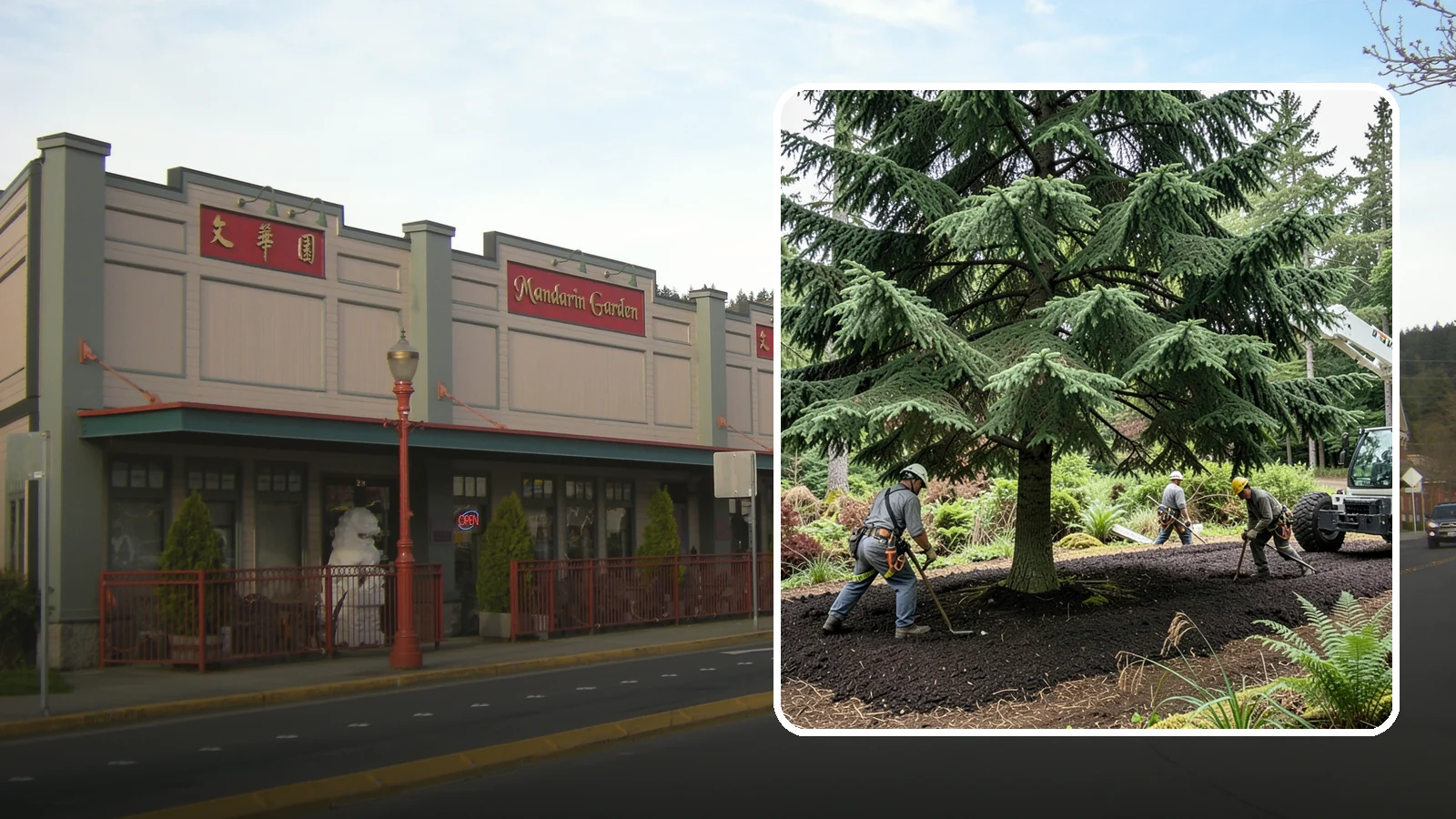
The application of mulch over the root zone.
In Issaquah, mulch does more than tidy a bed. About 45% of the land has a hard or restrictive layer, such as glacial hardpan, within 40 inches of the surface, according to the NRCS soil survey. Where that layer sits close, water can linger around roots, so how you lay mulch matters.
A good mulch job is a wide, even ring of wood chips kept off the trunk. It helps hold moisture through the dry months and keeps grass and weeds back from young roots. Here is how we approach it.
About Mulching in Issaquah
Mulching is a thoughtful way to care for your trees by protecting their root zones from harsh environmental stressors. This service helps homeowners maintain the stability and long-term health of valued specimens in any yard across Washington State. Whether you have mature oaks or younger shade trees, this approach supports consistent growth year after year.
What Issaquah Mulching Includes
Our crews apply a layer of mulch directly over your tree roots to conserve moisture and keep soil temperatures moderate throughout changing seasons. This process also reduces competition from weeds while improving overall root conditions for better nutrient uptake. We match our methods carefully to the specific species, site layout, and access points at each location.
Issaquah Mulching Process
Work begins with a thorough inspection of the tree and its surrounding area to identify factors like soil quality or past construction issues. After pinpointing contributing elements such as pests or disease risks, we recommend and apply treatments that fit your unique situation. We document our findings clearly so you understand exactly what was done and how future care should proceed.
Equipment We Use for Issaquah Mulching
Trained teams use diagnostic tools to assess tree health before applying any materials to the ground. Soil probes and sampling kits help us evaluate conditions beneath the surface, while specialized application equipment ensures even coverage around sensitive roots. We also bring air excavation tools when needed to avoid damaging existing root structures during installation.
Issaquah Mulching Safety & Best Practices
All work follows strict label guidelines for products used on your property to protect both soil health and neighboring plants. Our crews take care to prevent any damage to the trunk or exposed roots while moving through tight spaces around established gardens. Accurate documentation of site conditions ensures that every step is performed safely without compromising tree stability.
Signs You Need Mulching in Issaquah
You may benefit from mulching if you notice signs like compacted soil, girdling roots, or decline caused by recent grade changes near your home. Pests and disease often escalate quickly when root zones are stressed, making early intervention through proper ground cover essential for recovery. This service is particularly useful when moisture levels drop too low during dry spells in our local climate.
What Affects the Cost of Mulching in Issaquah
The investment required depends on the specific tree species you have planted across your landscape. Site conditions such as steep slopes or limited access can influence how we approach each job, affecting overall method selection. We tailor every aspect of the work to match individual needs rather than applying a one-size-fits-all solution that might not suit your trees.
Best Time of Year for Issaquah Mulching
While mulching can be done anytime in our mild Puget Sound climate, scheduling during dry periods often yields the best results for moisture conservation. This timing maximizes benefits by helping roots retain water when natural rainfall is less frequent throughout summer months. We remain flexible to accommodate your schedule while ensuring we catch problems before they become difficult to manage later on.
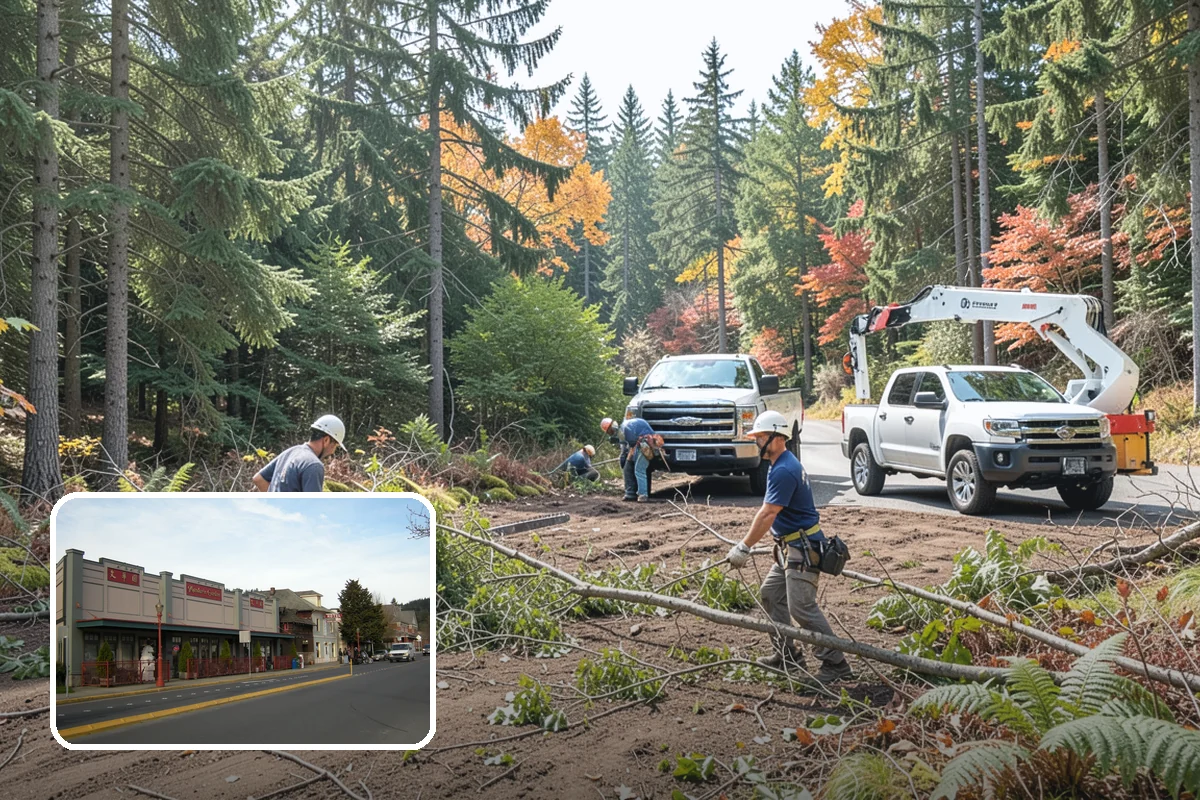
How we mulch trees on Issaquah properties
Mulching is simple work, but small errors cause real harm. These are the steps we follow.
- Clear grass and weeds from the area around the tree.
- Find the root flare, where the trunk widens at the base, and keep it visible.
- Spread coarse wood chips in a wide ring, usually two to four inches deep.
- Pull the mulch back from the bark so it does not touch the trunk.
Why depth and placement matter here
The NRCS soil survey lists Alderwood as the most common soil series in Issaquah. Of the land surveyed, 33% is well drained and 14% is poorly drained. That is a mix, and it varies from one yard to the next. On a slow-draining spot, thick mulch piled against the trunk can keep the base wet. For that reason we keep the layer modest and the trunk clear.
The WSU Extension Pacific Northwest Gardener's Handbook advises against mulch volcanoes. Mounded mulch inhibits soil gas exchange and water infiltration. If a tree on your property already has a cone of mulch around it, we can pull it back into a flat ring.
Timing for the dry season
July is the driest month in Issaquah on average. Mulch in place before then helps slow evaporation from the soil under the tree. Spring is a practical time to refresh it. Established trees usually need only a top-up, not a full new layer.
Plants here sit in USDA hardiness zone 8b, with parts of the city ranging from 8b to 9a, per the 2023 USDA map. That is a mild range, so winter cold is rarely the main reason to mulch. Moisture and root protection are.
If you want a mulch plan for your trees, call or text 425-484-4442 for a free estimate. Our ISA Certified Arborist can look at drainage and tree health first.
Issaquah tree conditions at a glance
| USDA hardiness zone | 8b (8b to 9a across the city) |
|---|---|
| Soils | 45% of land has hardpan or another restrictive layer within 40 in; most common series Alderwood; 33% well drained |
| Rain and snow falling October to April | 81% of the year’s total |
| Days with 0.1 in or more of rain | 118 a year |
| Tree canopy | Among the most heavily treed Puget Sound cities (satellite data) |
| Days that freeze at night and thaw by day | 33 a year |
Tree health near Issaquah
- Decline, cause not identified7,786 ac
- Bears2,827 ac
- Heat1,132 ac
Forest damage mapped from the air within 10 km of Issaquah, 2021-2025 (USDA Forest Service and WA DNR). This covers forest land, not street or yard trees. “Decline, cause not identified” is dieback with no single cause found.
Sources: Daymet daily weather (NASA/ORNL), NOAA Storm Events, USDA plant hardiness map 2023, NRCS soil survey, USGS elevation, WA DNR landslide inventory, USDA Forest Service aerial survey, WSDA, city tree assessments and street-tree inventories, SILVIS Lab, Arbor Day Foundation, and official city and utility pages.
Mulching Serving Issaquah
Issaquah

Mulching in nearby areas
Also serving Issaquah
- Tree Transplanting in Issaquahat Washington Landscaping
- Weed Control in Issaquahat Washington City Services