Where Safety Meets Expert Tree Service.

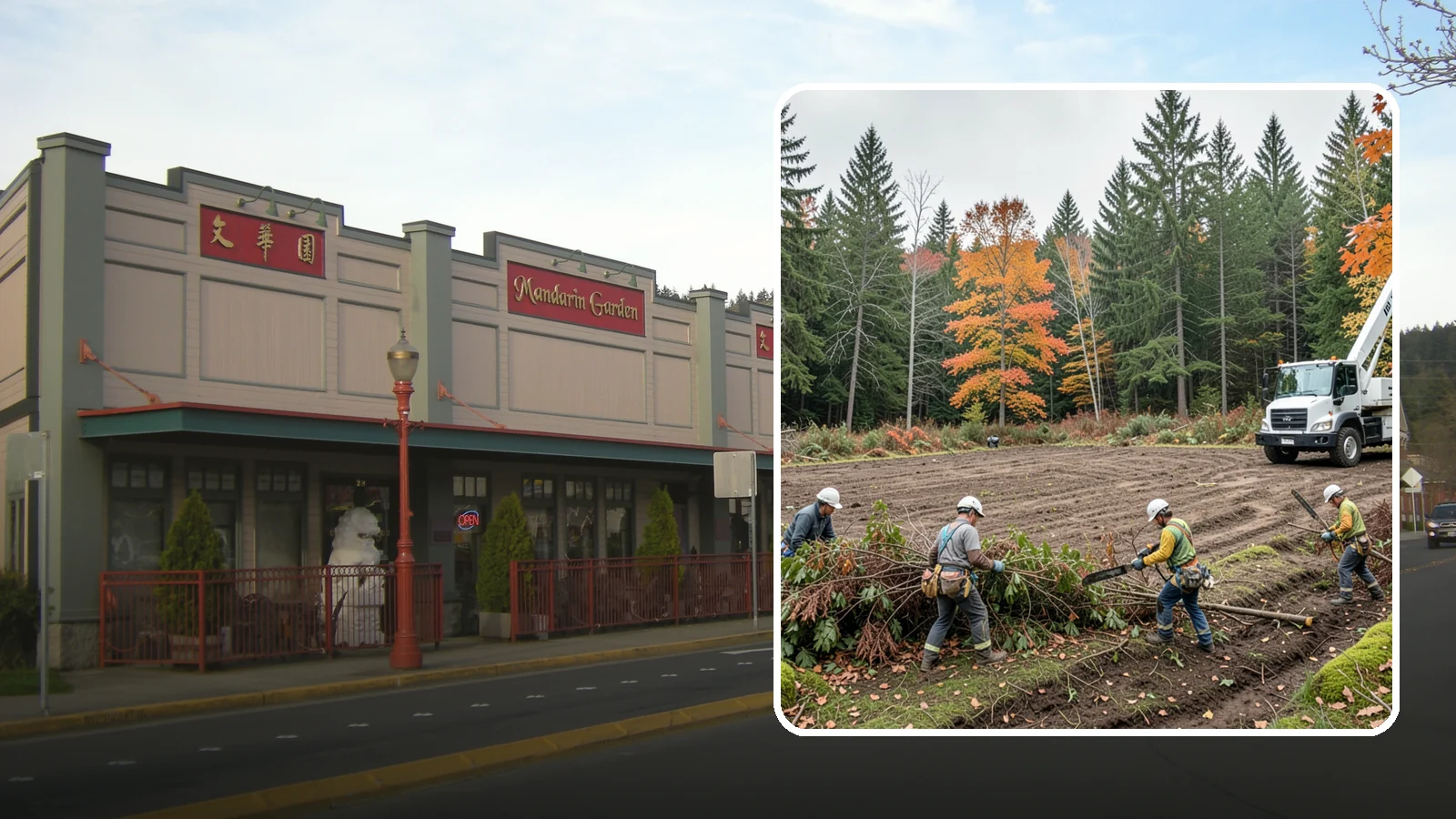
Issaquah Invasive Vegetation Removal
The removal of invasive plant species.
This service is for Issaquah owners whose yard, slope or property edge is being taken over by English ivy, Himalayan blackberry, Scotch broom or similar plants. It also fits owners of wooded lots where ivy is climbing trunks or a thicket is crowding out everything else.
The right method depends on the plant, how far it has spread and what the ground looks like. A small patch can often be pulled by hand. A large, established stand usually needs cutting, digging and follow-up. Below we compare the main approaches and explain which local conditions favor each.
About Invasive Vegetation Removal in Issaquah
We help homeowners manage overgrown areas by safely removing invasive plant species that threaten your property’s health. Our team is dedicated to restoring site conditions so you can enjoy a safer and more usable outdoor space. This service supports native vegetation while addressing common issues like dense, thorny growth or fire hazards.
What Issaquah Invasive Vegetation Removal Includes
Invasive vegetation removal focuses on clearing unwanted plants to protect existing trees and improve overall land quality. We use methods tailored to your specific site conditions, ensuring that retained features remain safe during the process. The goal is to eliminate invasive species while preparing your land for its intended future use.
Issaquah Invasive Vegetation Removal Process
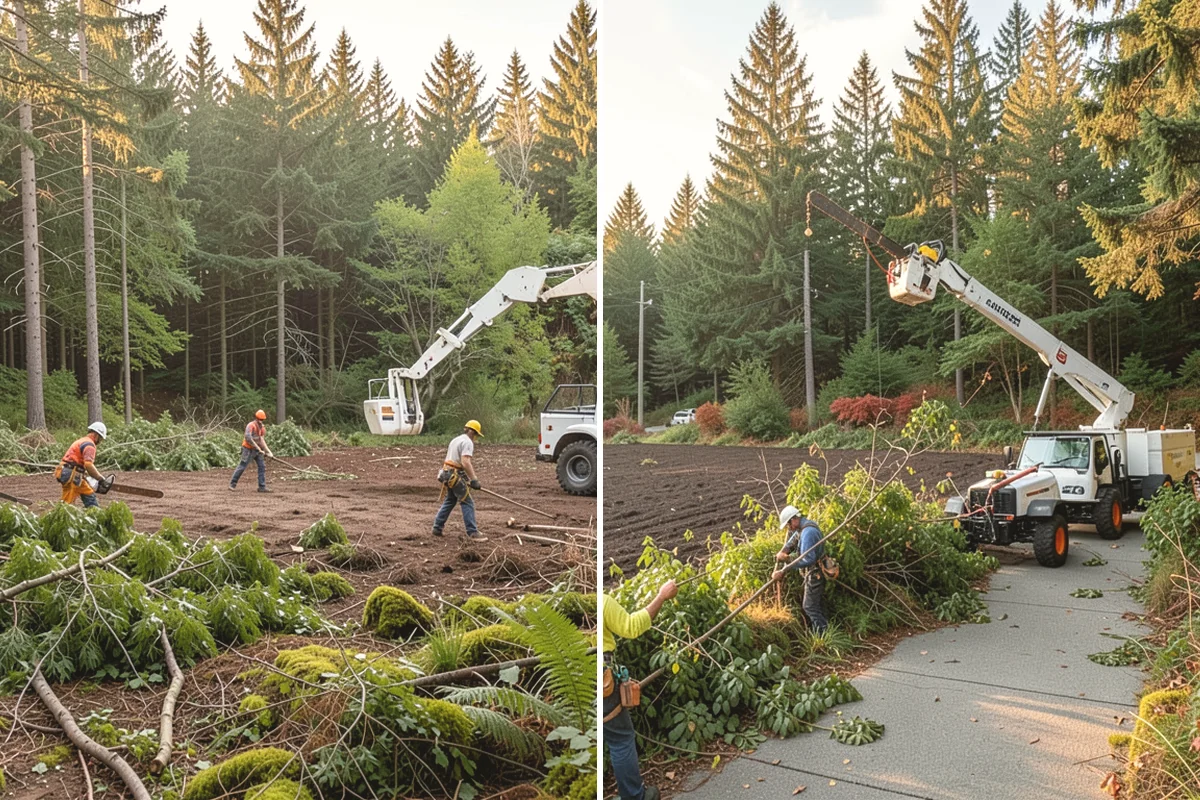
Our trained crews begin by assessing your property and marking important features they need to protect throughout the job. Vegetation is cleared in a planned sequence using appropriate techniques matched to each tree species and access point. After clearing, we process materials, tidy the area as needed, and responsibly dispose of all debris left behind.
Equipment We Use for Issaquah Invasive Vegetation Removal
To handle various growth types effectively, our crews utilize brush cutters, chainsaws, chippers, and hauling equipment alongside hand tools. We also wear full personal protective gear to ensure everyone stays safe while working around uneven terrain or hidden obstacles. The right combination of machinery allows us to tackle even the densest patches without damaging your retained trees.
Issaquah Invasive Vegetation Removal Safety & Best Practices
Safety is a priority as we identify property lines, utilities, and features that must be kept intact during clearing operations. Our team carefully manages debris piles to prevent hazards while watching for uneven ground or wet spots on steep sites. We take extra care to protect the root zones of any healthy trees you want to keep standing after the work is done.
Signs You Need Invasive Vegetation Removal in Issaquah
You may need this service if your site has dense, thorny growth that limits access and makes outdoor activities difficult. Signs include invasive species continuing to regrow despite previous attempts or vegetation creating a fuel load that increases fire risk. If uneven terrain or wet conditions are making parts of your yard unusable, clearing these areas can restore their function.
What Affects the Cost of Invasive Vegetation Removal in Issaquah
The price for this work depends on factors like how dense the vegetation is and whether it has thorny characteristics that slow down removal. Uneven or difficult-to-access terrain will also influence the cost, as will our commitment to responsibly disposing of all debris generated during the project. These variables ensure we provide a fair quote based strictly on your specific site conditions rather than fixed rates.
Best Time of Year for Issaquah Invasive Vegetation Removal
While work can generally proceed year-round in Puget Sound weather, heavy rain may delay projects involving wet or steep sites where safety is paramount. We plan our schedules to accommodate these natural conditions and avoid starting when the ground is too saturated for safe operation. This flexibility allows us to get your land cleared whenever it fits best with your needs while maintaining high safety standards.

Choosing a removal method for Issaquah properties
There is no single best method. Most jobs use a mix of the approaches below.
- Hand pulling and digging: works for young plants and small patches. Roots must come out, since fragments can resprout.
- Cutting and clearing: brush cutting or sawing removes the top growth of large blackberry or broom stands. Cut material is hauled off, and regrowth is expected, so repeat visits are normal.
- Ivy removal from trees: we cut the vines at the base and clear a ring around the trunk. The upper growth is left to die and fall away over time, because pulling it off the bark can damage the tree.
What local conditions change
Rain matters most. According to Daymet data for 2005-2025, about 81% of Issaquah's yearly rain and snow falls from October to April. Wet soil makes roots easier to pull, but it also means bare ground can erode, especially on a slope. After clearing, plan to cover the soil with mulch or replant soon.
Tree cover matters too. Satellite data shows about 41% of Issaquah's land under dense tree cover, with canopy of 50% or more. That is a citywide figure, not a measure of any one lot. But if your property is shaded woods, ivy on trunks is likely the bigger concern, and careful hand work under the canopy beats heavy cutting.
Finally, the city's tree code says different rules may apply in environmentally critical areas, which include steep slopes, streams, wetlands and buffers, and the permit fee is higher there. If your property touches one of these, we check with the city before work starts. Clearing near a stream or on a steep slope may call for a different approach than a flat backyard does.
For a free estimate, call or text 425-484-4442. An ISA Certified Arborist on staff can look at the site and recommend a method.
Issaquah tree conditions at a glance
| Homes in the wildland-urban interface | 93% |
|---|---|
| Land under dense tree cover (50%+ canopy) | 41% |
| Slopes | More steep ground than most Puget Sound cities |
| Landslides mapped by WA DNR | 39 |
| Rain and snow falling October to April | 81% of the year’s total |
Tree removal rules in Issaquah
A Tree Permit is required to remove significant trees; the only exemptions are removal of nonsignificant trees not otherwise protected, pruning that is not 'excessive', public agency/utility work in ROW/easements, and mineral extraction. Each removal must meet approval criteria in IMC 18.812.050 (e.g., nuisance trees, replacing dead significant trees, dying or diseased trees with qualified arborist recommendations).
Regulated size: 6 in.+ DBH, or alder/cottonwood 8 in.+ DBH, excluding King County Noxious Weed List species (per search-index text of city tree-code document.
Official city source. Rules change; we confirm with the city before work starts.
Tree health near Issaquah
- Decline, cause not identified7,786 ac
- Bears2,827 ac
- Heat1,132 ac
Forest damage mapped from the air within 10 km of Issaquah, 2021-2025 (USDA Forest Service and WA DNR). This covers forest land, not street or yard trees. “Decline, cause not identified” is dieback with no single cause found.
Sources: Daymet daily weather (NASA/ORNL), NOAA Storm Events, USDA plant hardiness map 2023, NRCS soil survey, USGS elevation, WA DNR landslide inventory, USDA Forest Service aerial survey, WSDA, city tree assessments and street-tree inventories, SILVIS Lab, Arbor Day Foundation, and official city and utility pages.
Invasive Vegetation Removal Serving Issaquah
Issaquah
Invasive vegetation removal in nearby areas
Also serving Issaquah
- Site Preparation in Issaquahat Washington Landscaping
- Deck Demolition in Issaquahat Washington Construction
- Knotweed Treatment in Issaquahat Washington City Services
- Tree Removal for Firewood in Issaquahat Washington Firewood