Where Safety Meets Expert Tree Service.

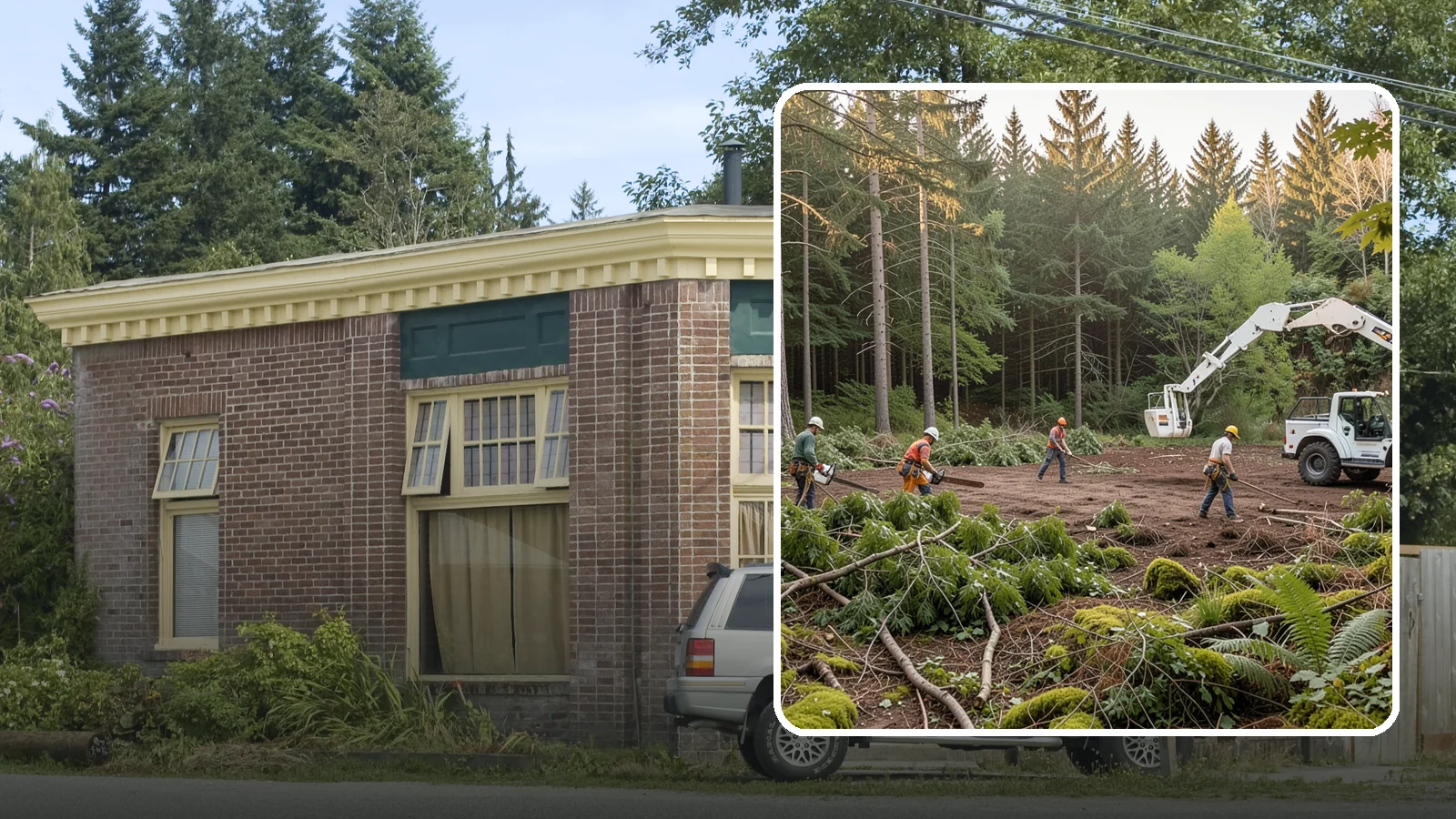
Hamilton Construction Clearance
The clearing of trees and vegetation to provide access and space for construction.
About Construction Clearance in Hamilton
Planning a construction project can be exciting, but it often requires careful preparation of your property before ground is broken. Our Construction Clearance service helps homeowners prepare their site for building while keeping the trees you want to keep safe from damage. We work with you to ensure your valued landscape survives the transition into new structures or additions.
What Hamilton Construction Clearance Includes
This service involves clearing specific areas and vegetation to create necessary access and space for construction activities. While we remove what needs to go, our primary focus is protecting retained trees during the build process. It includes establishing protection zones around existing roots so they are not harmed by upcoming work.
Hamilton Construction Clearance Process
We start by identifying which trees should be kept and defining their specific protection areas before any heavy machinery arrives. Once these measures are in place, trained crews monitor conditions throughout the construction phase to address issues as they appear. If needed, we provide follow-up care to help your landscape recover from any minor impacts during the project.
Equipment We Use for Hamilton Construction Clearance
To keep roots safe, our teams use protective fencing and signage to mark off restricted areas around protected trees. We also apply mulch and ground protection materials to shield soil from compaction caused by equipment traffic. Air excavation tools are used when necessary to inspect root zones without causing further harm to the landscape.
Hamilton Construction Clearance Safety & Best Practices
Safety is a priority, so we ensure that construction equipment stays out of designated protection zones at all times. Our crews take care to avoid changing grades or compacting soil over sensitive root systems during the work. We also coordinate closely with your site teams and document every protective measure taken to maintain accountability throughout the project.
Signs You Need Construction Clearance in Hamilton
You may need this service if you are preparing a lot for new construction while wanting to save mature trees nearby. It is essential when equipment access requires clearing vegetation but must be done without damaging existing root systems. If you see signs of potential encroachment by machinery or worry about future decline, establishing these protections early can prevent costly problems later.
What Affects the Cost of Construction Clearance in Hamilton
The price depends on how many trees require protection versus removal and the difficulty of getting construction vehicles onto your site. Establishing protective fencing around complex root zones adds to the cost based on the layout of your property. Other factors include the number of species present and any special measures needed for wet ground conditions during certain times of year.
Best Time of Year for Hamilton Construction Clearance
Construction Clearance can be performed at any time throughout the year given Washington State’s typical weather patterns. However, if you are working during wetter seasons, we may need to add extra ground protection steps to stop soil compaction from damaging protected roots. We will help schedule your work when it fits best while ensuring our teams have dry conditions for safe and effective operation.
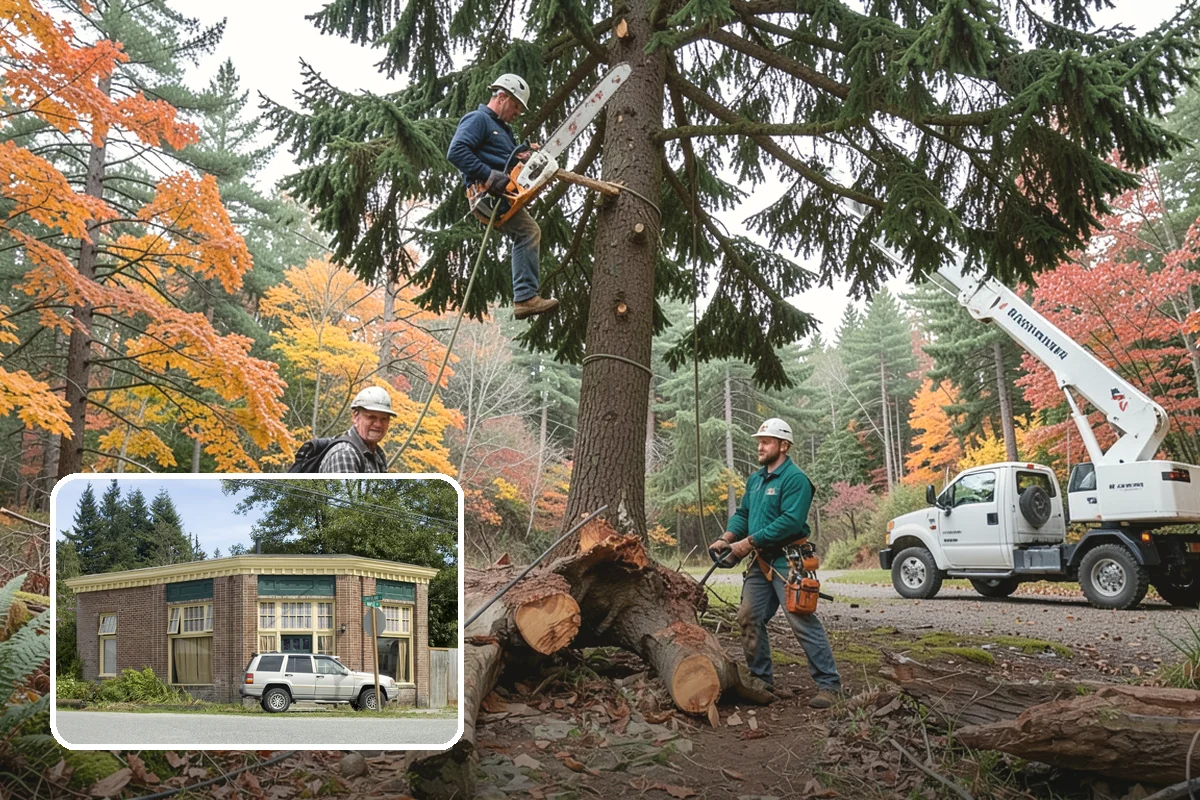
Construction Clearance Serving Hamilton
Hamilton
A very small town along the Skagit River in rural eastern Skagit County.
Growing Conditions in Hamilton
Permits & Local Notes for Hamilton
Construction Clearance in nearby areas
Also serving Hamilton
- House Demolition in Hamiltonat Washington Construction
- Land Clearing in Hamiltonat Washington Landscaping
- Municipal Sidewalk Construction in Hamiltonat Washington City Services