Where Safety Meets Expert Tree Service.
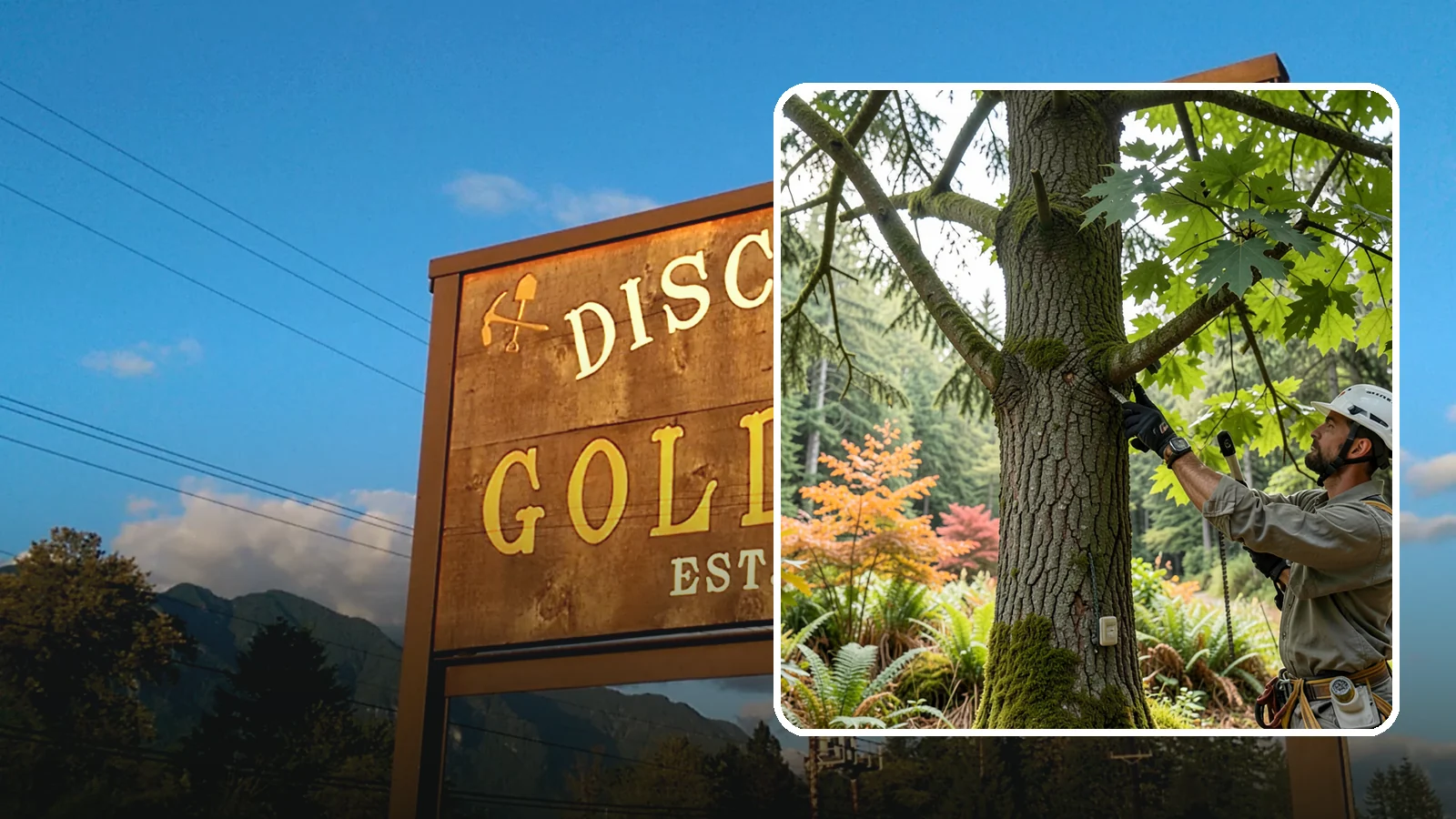
Gold Bar Tree health inspection
A professional evaluation of a tree’s overall condition.
About Tree Health Inspection in Gold Bar
A tree health inspection offers a professional look at your trees’ overall condition to help keep them safe and strong for years to come. This valuable check-up is designed specifically for homeowners who want to catch potential issues before they become serious problems. It serves as the first step in creating a customized care plan that supports long-term stability and life extension for valued specimens.
What Gold Bar Tree Health Inspection Includes
Tree health inspection provides an expert evaluation of your trees’ current status, focusing on identifying early warning signs of trouble. Our trained crews follow recognized arboricultural standards to assess soil quality, root structure, pest presence, and disease indicators while matching methods to each tree’s specific species and site conditions. The goal is to clearly identify contributing factors like compacted soils or girdling roots so you can guide an effective care plan forward.
Gold Bar Tree Health Inspection Process
Our team begins by carefully inspecting the tree within its surrounding environment to understand how soil, pests, or past construction might be affecting it. Once we have identified these issues, we recommend and apply appropriate treatments while documenting our findings for your records. We ensure that follow-up care is planned based on accurate documentation of conditions found during the initial visit.
Equipment We Use for Gold Bar Tree Health Inspection
To get a complete picture, we utilize diagnostic tools along with soil probes and sampling kits to examine what lies beneath the surface. Depending on access needs or wet season conditions, our crews may bring air excavation tools to gently assess root zones without causing damage. We also use specialized injection equipment for treatments while wearing necessary personal protective gear throughout the workday.
Gold Bar Tree Health Inspection Safety & Best Practices
During any inspection involving products, we strictly follow label instructions and application guidelines to ensure everyone remains safe. Our methods are designed to protect your soil and surrounding plantings while avoiding accidental damage to roots or trunks during our visit. We take great care to document all conditions accurately so that future treatments remain effective without risking the tree’s health.
Signs You Need Tree Health Inspection in Gold Bar
You may need this service if you notice signs of decline caused by poor soils, pests, disease, or changes in ground grade from past construction. Girdling roots and other hidden issues often go unnoticed until a professional evaluation reveals them early enough to prevent escalation. If your trees have experienced stress from environmental shifts or nearby development, an inspection can help determine the best path forward for their recovery.
What Affects the Cost of Tree Health Inspection in Gold Bar
The investment for this service varies based on several factors including the specific species of tree being evaluated and the complexity of diagnosing soil issues. Site conditions such as difficult access requirements will also influence how much time and resources are needed to complete a thorough assessment. Additionally, identifying pests or diseases requires specialized attention that impacts the overall cost structure of your care plan.
Best Time of Year for Gold Bar Tree Health Inspection
In our Puget Sound climate, you can schedule this inspection at any point throughout the year since trees remain active in most seasons. However, during wetter periods, we may need to use air excavation tools specifically to effectively assess root zones without getting bogged down by mud or water. Planning your visit allows us to choose the right timing and equipment for clear results regardless of current weather patterns.
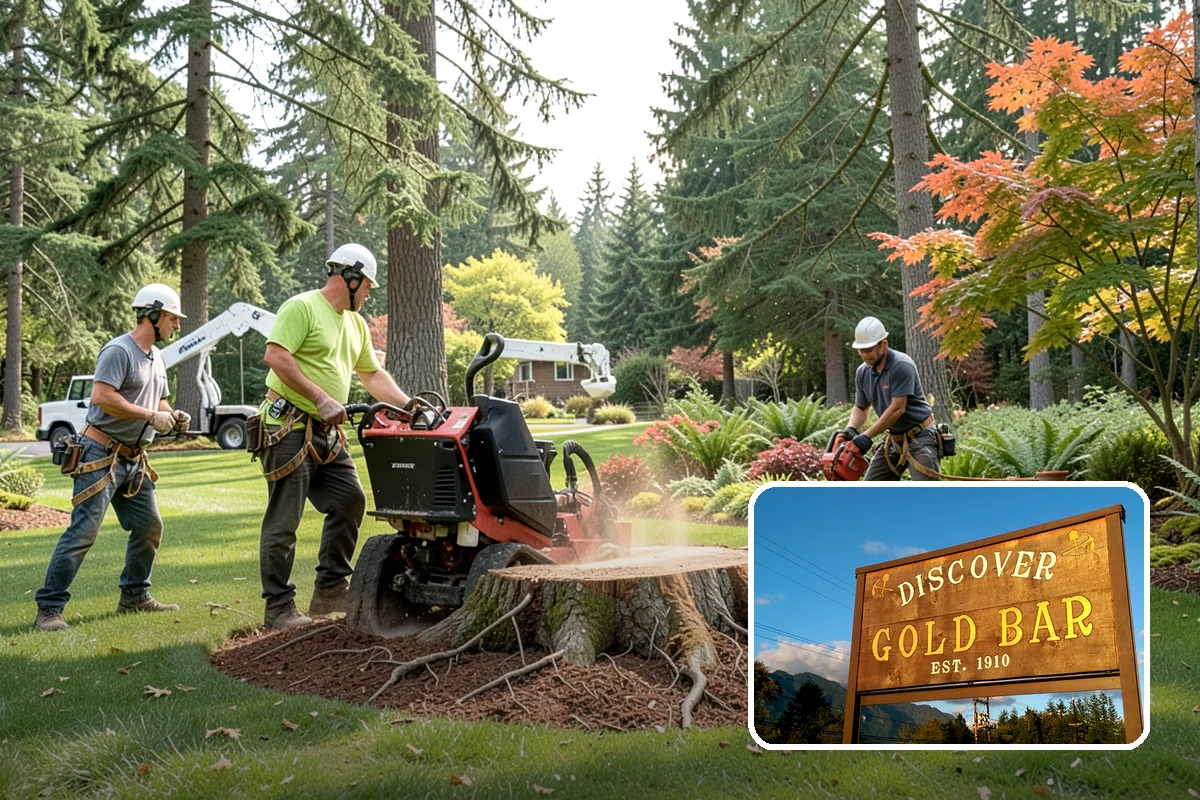
Tree Health Inspection Serving Gold Bar
Gold Bar
A small town along the Skykomish River and US-2 in the Cascade foothills.
Growing Conditions in Gold Bar
Permits & Local Notes for Gold Bar
Tree health inspection in nearby areas
Also serving Gold Bar
- Shrub Pruning in Gold Barat Washington Landscaping
- Irrigation Repair in Gold Barat Washington City Services