Where Safety Meets Expert Tree Service.

Gold Bar Hazard Mitigation
The identification and reduction of tree-related hazards through targeted corrective work.
About Hazard Mitigation in Gold Bar
We help homeowners protect their valued trees by identifying and reducing hazards before they become serious problems. This targeted approach ensures your landscape remains safe and stable while supporting long-term tree health. Whether you have a single concern or multiple issues to address, our team is ready to assist with corrective work that matches the specific needs of each site.
What Gold Bar Hazard Mitigation Includes
Hazard Mitigation focuses on reducing risks posed by defective, weak, or overextended trees through careful inspection and targeted treatments. We identify contributing factors such as soil conditions, pests, or disease and apply appropriate solutions to improve root stability and overall structure. This process is designed to catch problems early before they escalate into dangerous failures that could threaten your property.
Gold Bar Hazard Mitigation Process
Our trained crews begin by inspecting the tree and its surrounding site to document current conditions accurately. We then analyze factors like soil compaction, girdling roots, or past construction impacts to recommend effective treatments for each unique situation. After applying necessary corrections using recognized arboricultural standards, we provide documentation of our findings along with a plan for follow-up care.
Equipment We Use for Gold Bar Hazard Mitigation
To perform this work effectively, we utilize diagnostic tools and soil probes to gather accurate data about root health and ground conditions. Depending on the specific issue, our crews may use injection equipment or air excavation tools to address defects without causing unnecessary damage. We also ensure all team members wear proper personal protective gear while handling any products used during treatment.
Gold Bar Hazard Mitigation Safety & Best Practices
Our safety practices include strictly following label guidelines for all applications to protect both your plants and the environment. During work, we take care to avoid damaging roots or trunks while ensuring that soil and surrounding plantings remain undisturbed. Accurate documentation of site conditions is also a key part of our process, helping us maintain clear records throughout every stage of mitigation.
Signs You Need Hazard Mitigation in Gold Bar
You may need this service if you notice signs of decline caused by pests, disease, or changes in ground grade from past construction. Trees with compacted soils, visible girdling roots, or those that appear weak and overextended are prime candidates for hazard reduction work. Addressing these issues early helps extend the useful life of your trees while preventing potential safety hazards around your home.
What Affects the Cost of Hazard Mitigation in Gold Bar
The investment for this service depends on factors such as tree species, site conditions like soil compaction, and limitations regarding access to difficult areas. Complexity plays a major role in pricing, particularly when correcting defects involving girdling roots or managing active disease cycles. Disposal methods required after treatment will also influence the overall cost of completing your specific project successfully.
Best Time of Year for Gold Bar Hazard Mitigation
While we can work year-round given our favorable Puget Sound climate, it is important to avoid periods where heavy rain saturates the ground and prevents equipment use. We also schedule treatments carefully to stay clear of active pest or disease cycles that require special timing for effectiveness. Planning your maintenance around these natural conditions ensures the best results without disrupting essential tree growth phases.
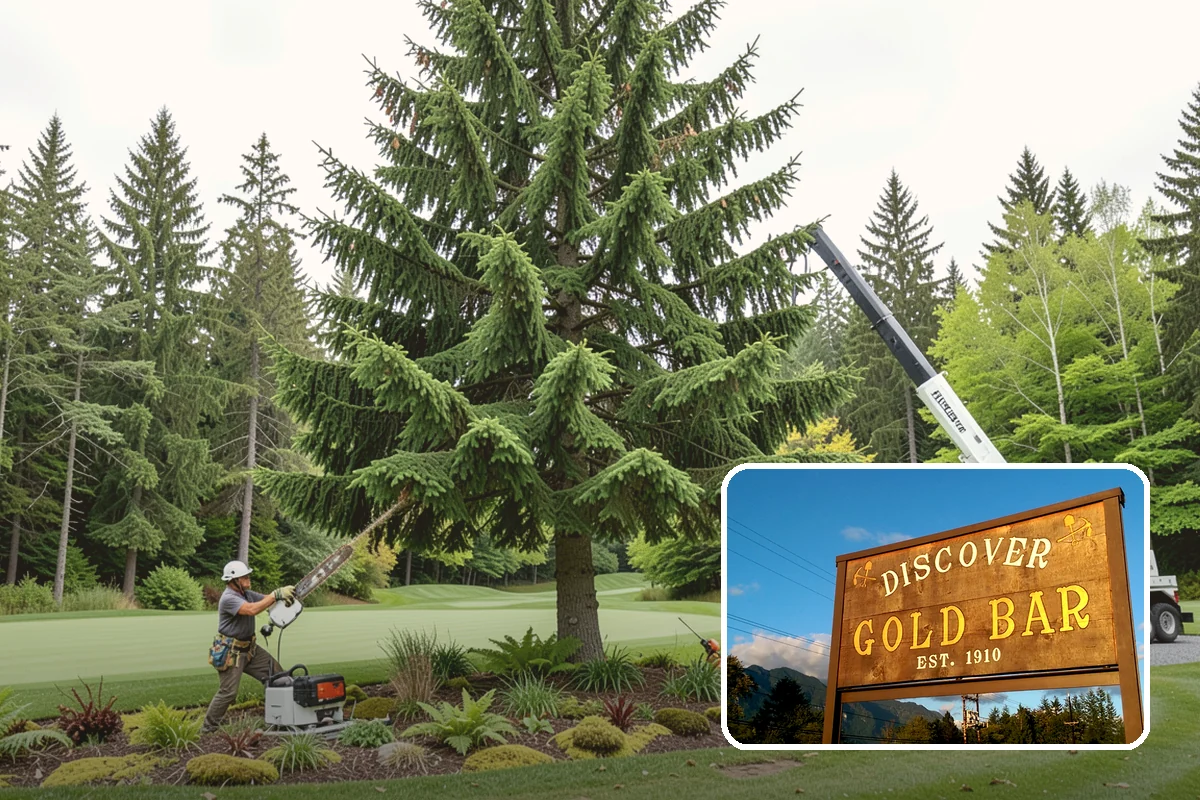
Hazard Mitigation Serving Gold Bar
Gold Bar
A small town along the Skykomish River and US-2 in the Cascade foothills.
Growing Conditions in Gold Bar
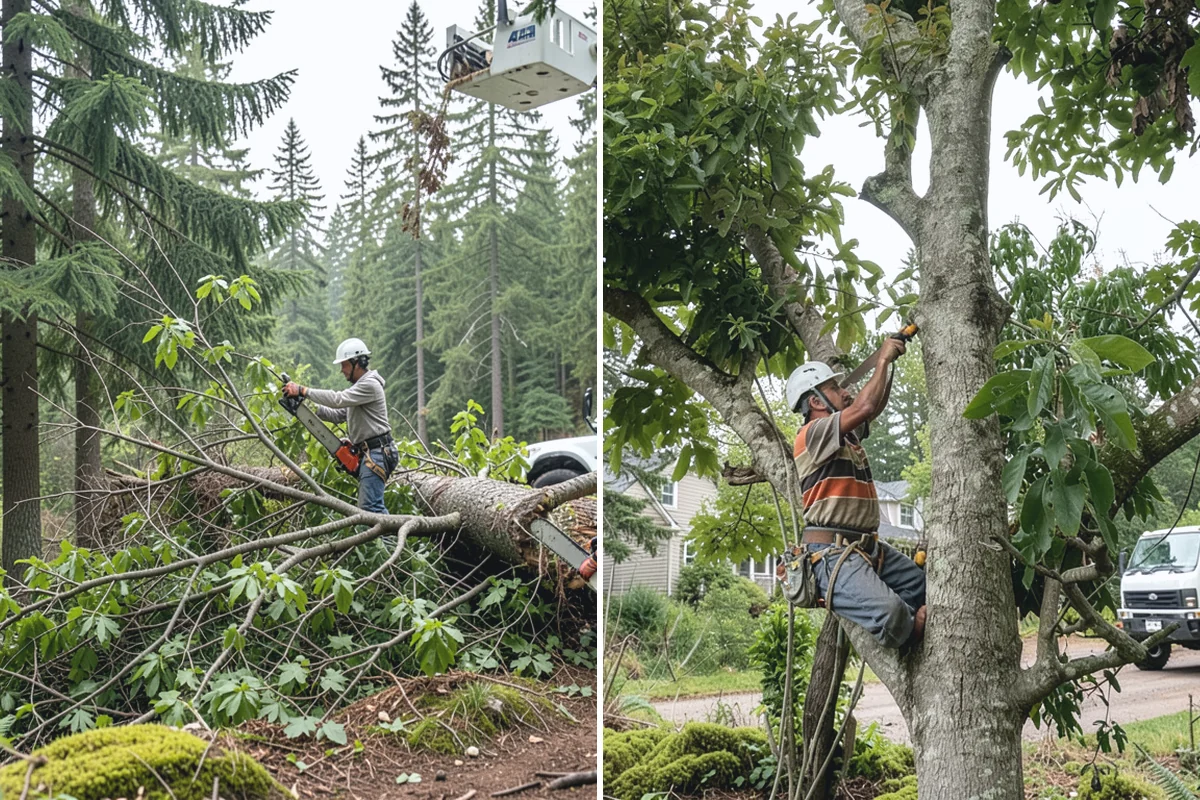
Permits & Local Notes for Gold Bar
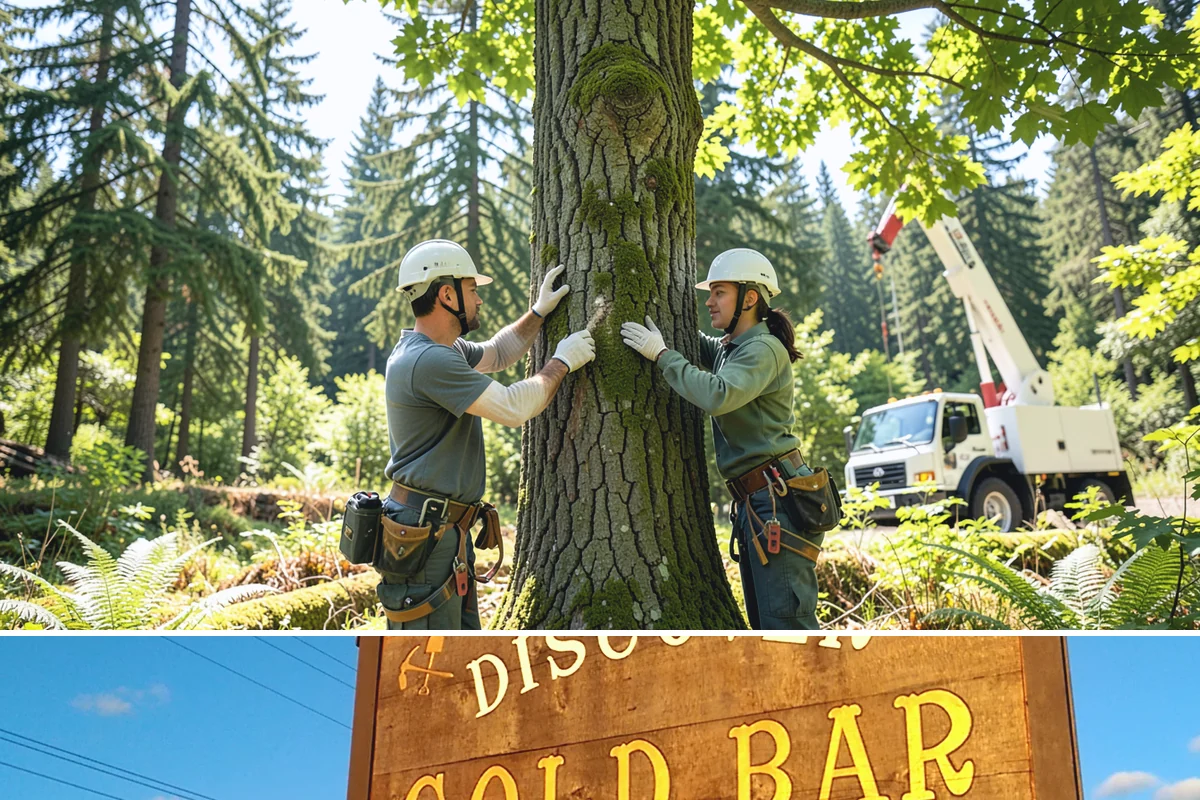
Hazard Mitigation in nearby areas
Also serving Gold Bar
- Tree Staking in Gold Barat Washington Landscaping
- Tree Pruning in Gold Barat Washington City Services