Where Safety Meets Expert Tree Service.

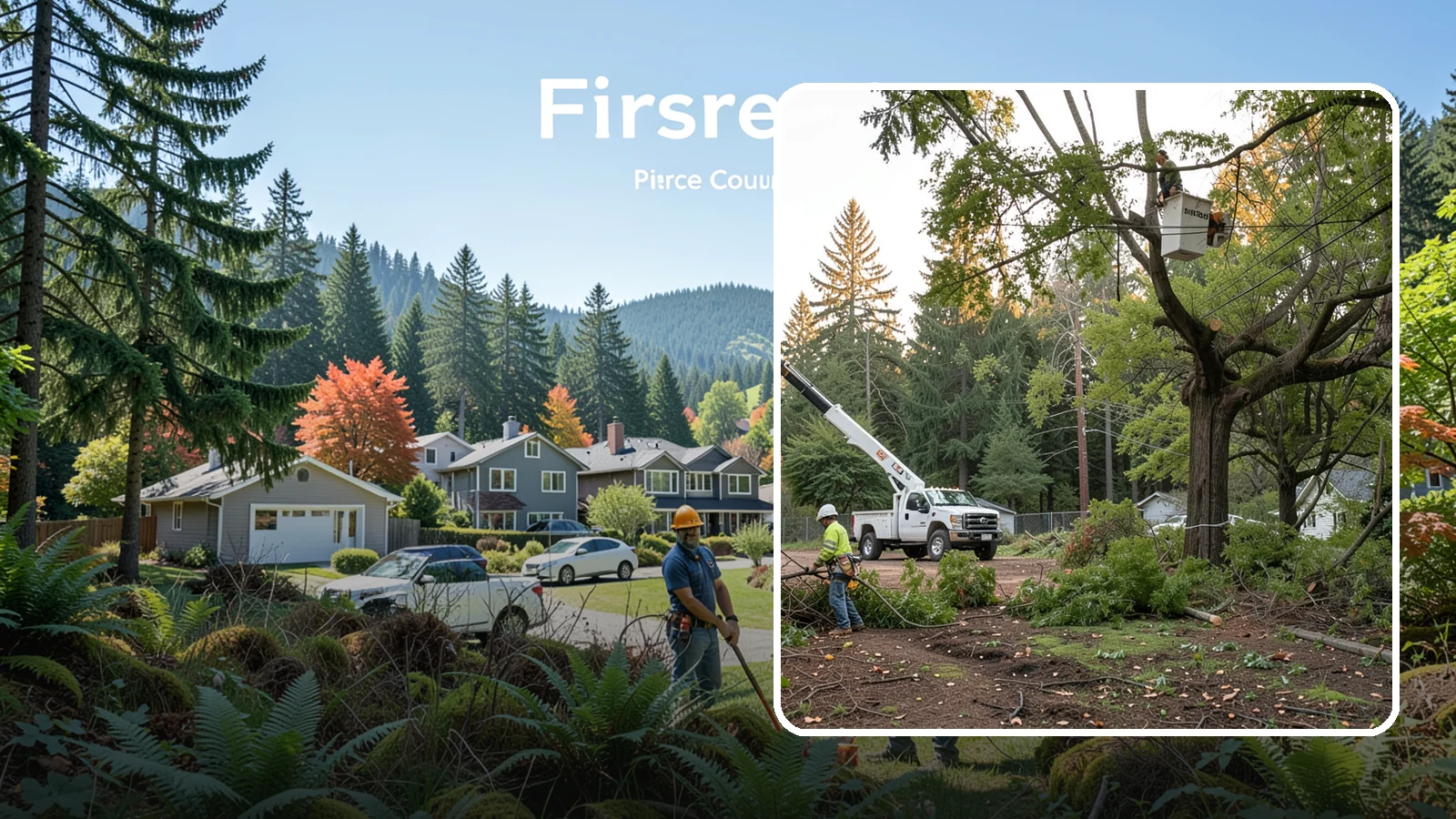
Fircrest Building clearance pruning
The pruning of branches away from walls and structures.
About Building Clearance Pruning in Fircrest
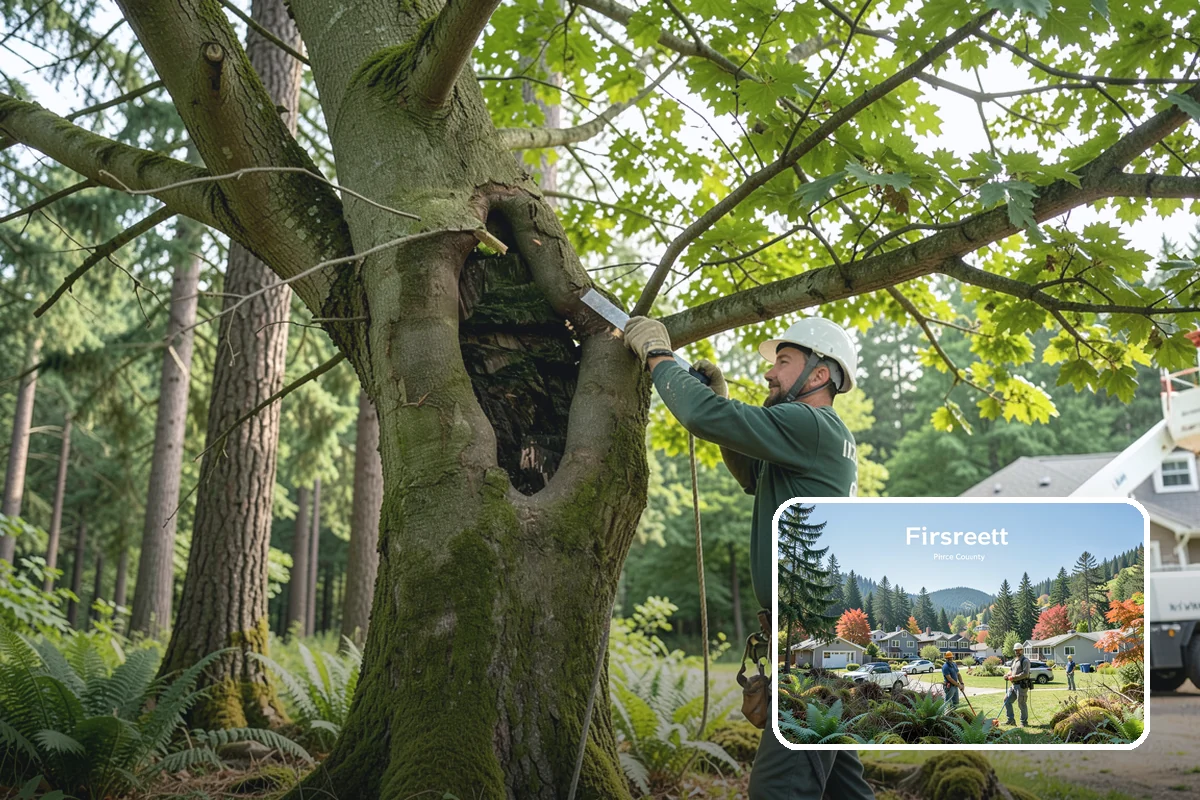
Building clearance pruning helps keep your trees healthy while protecting your home from damage caused by touching branches. Our trained crews use recognized standards to safely remove growth that creates moisture contact or abrasion against walls and structures. This service is ideal for any homeowner who wants to maintain clear sightlines and reduce the risk of branch failure near their property.
What Fircrest Building Clearance Pruning Includes
This pruning category focuses specifically on cutting branches away from buildings, fences, decks, and other hardscapes. The work includes making clean cuts at proper points without over-pruning, which supports long-term tree vigor and appearance. We match our methods to the specific species of your trees and the unique conditions of your site for a tailored result.
Fircrest Building Clearance Pruning Process
Our team begins by assessing the canopy condition and selecting the correct cuts based on the season and tree type. After making precise incisions with minimal stress, we lower and process all cut material before thoroughly cleaning up the work area. This systematic approach ensures that debris is removed efficiently while leaving your property tidy after completion.
Equipment We Use for Fircrest Building Clearance Pruning
We utilize a range of tools including hand saws, pole saws, chainsaws, and wood chippers to handle branches of various sizes. For higher reaches or difficult access points, our crews may use climbing gear, rigging equipment, or an aerial lift as needed. Every crew member also wears appropriate personal protective equipment while operating these machines safely around your home.
Fircrest Building Clearance Pruning Safety & Best Practices
We follow recognized pruning standards to avoid harmful cuts that could stress the tree or compromise its structure. Our safety protocols include watching for overhead power lines and unstable limbs before making any incisions near structures. When working aloft, we strictly use fall protection measures to ensure everyone remains secure throughout the job.
Signs You Need Building Clearance Pruning in Fircrest
You may need this service if you notice branches rubbing against siding, creating moisture pockets that can damage building materials. Signs of deadwood or weak unions interfering with your home’s structure also indicate it is time for clearance pruning. Additionally, reduced sightlines from overhanging limbs near windows or walkways suggest a need to restore proper spacing between trees and buildings.
What Affects the Cost of Building Clearance Pruning in Fircrest
The price varies based on the size of each tree and how difficult site access conditions are, such as proximity to power lines. Crew complexity increases if rigging work is required to remove heavy branches safely from tight spaces around your property. Disposal costs also depend on the volume of debris generated after clearing all interfering growth away from walls.
Best Time of Year for Fircrest Building Clearance Pruning
In our local climate, this type of pruning can be performed year-round with minimal restriction for most tree species. However, we generally avoid working during late winter dormancy breaks or periods when wet weather increases moisture contact risks against your building materials. Scheduling the work outside these sensitive times helps ensure optimal healing and reduces potential damage to both the tree and your home.
Building Clearance Pruning Serving Fircrest
Fircrest
A small residential city surrounded by Tacoma and University Place.
Growing Conditions in Fircrest

Permits & Local Notes for Fircrest
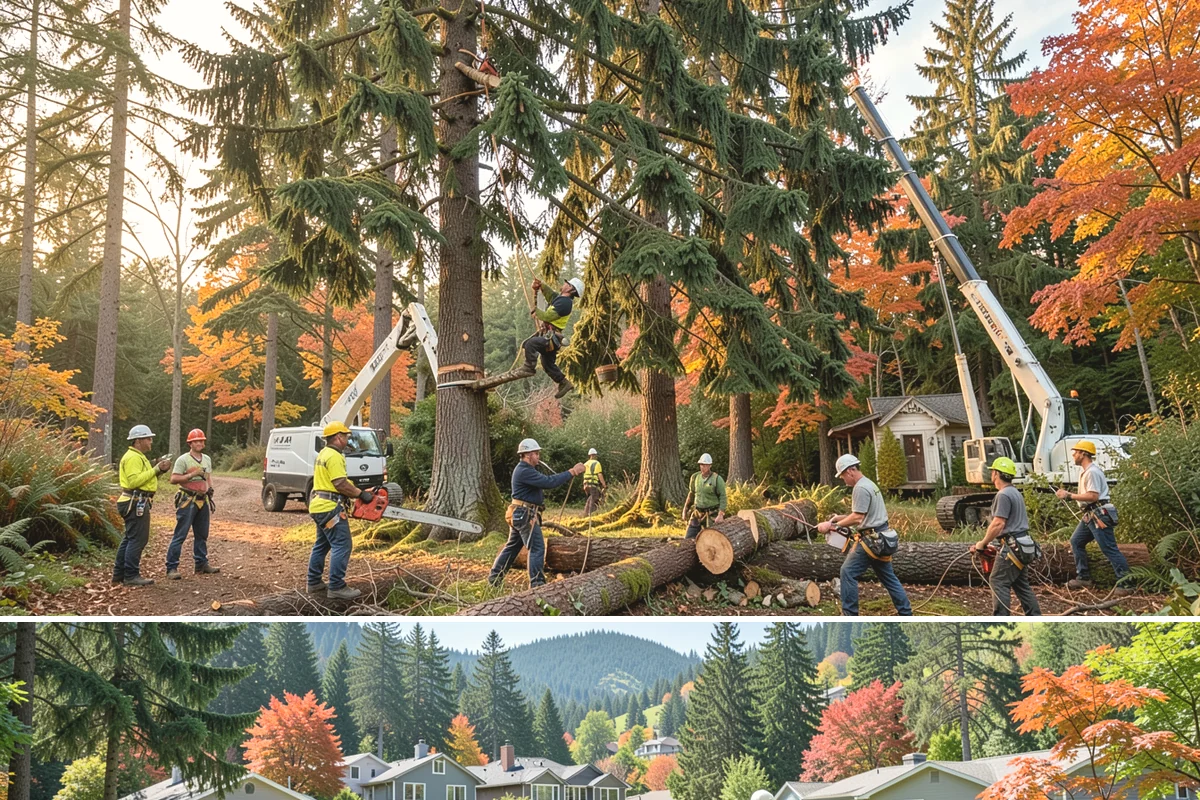
Building clearance pruning in nearby areas
Also serving Fircrest
- Willow Pruning in Fircrestat Washington Landscaping
- Roof Preservation in Fircrestat Washington Roofing
- Emergency Tree Response in Fircrestat Washington City Services