Where Safety Meets Expert Tree Service.
Federal Way Canopy reduction
The reduction of overall canopy size with measured cuts.
About Canopy Reduction in Federal Way
Canopy reduction helps homeowners manage large trees by carefully lowering their overall size while keeping a natural look. This approach improves safety around your property without harming the tree’s long-term health or structure. It is an ideal solution for those dealing with heavy branches that might interfere with overhead lines or viewlines.
What Federal Way Canopy Reduction Includes
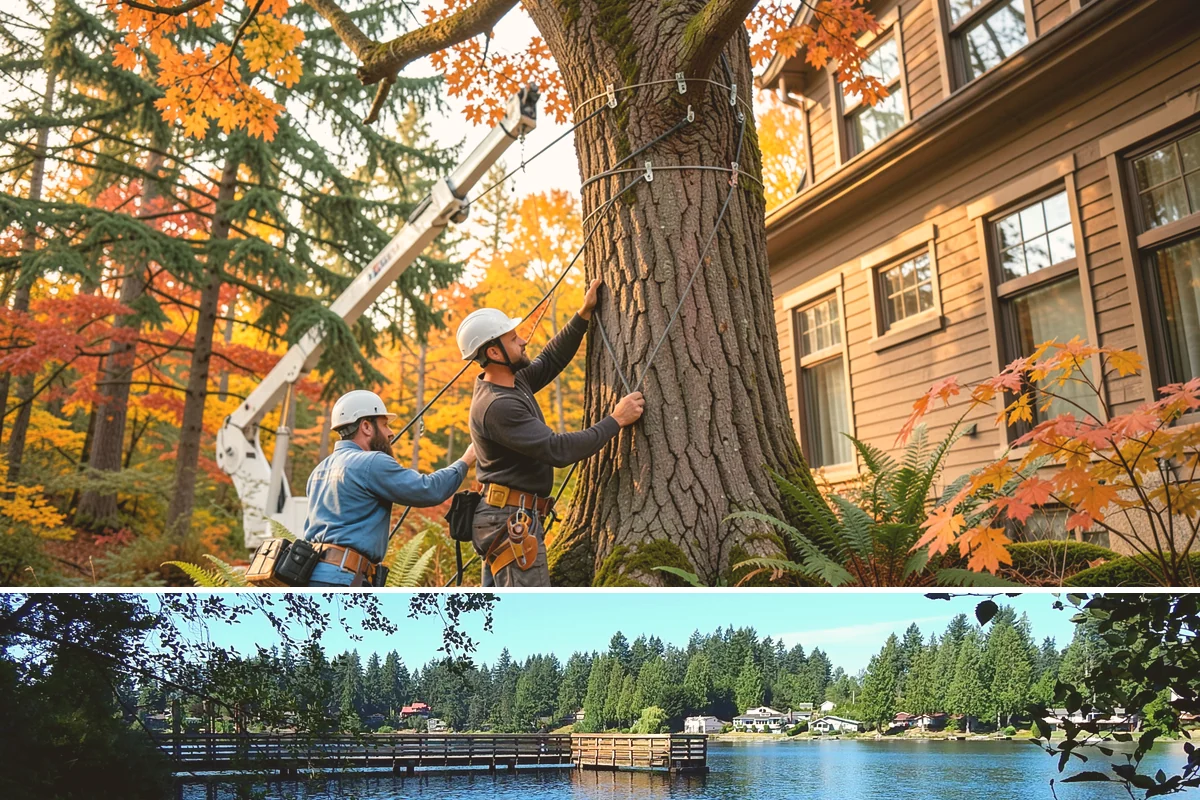
This service reduces the total canopy volume using precise, measured cuts designed to lower weight and wind resistance. We focus on maintaining the tree’s natural form while removing excess growth that could lead to branch failure. The work is tailored specifically to your tree species and current site conditions for a balanced result.
Federal Way Canopy Reduction Process
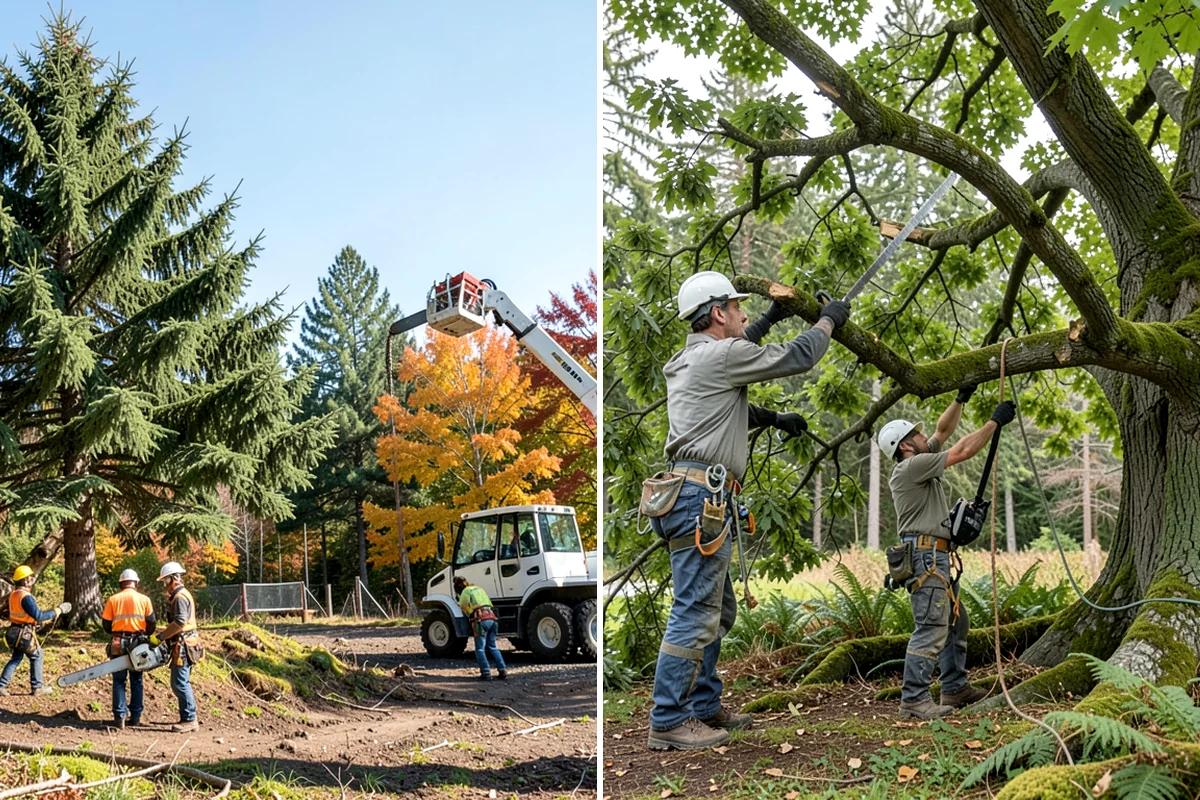
Our trained crews begin by assessing the condition of your canopy and defining clear pruning objectives before making any cuts. Each cut is placed at proper points using techniques matched to the specific needs of your tree type and season. Afterward, we lower all removed material safely and clean up the entire work area to leave your property tidy.
Equipment We Use for Federal Way Canopy Reduction
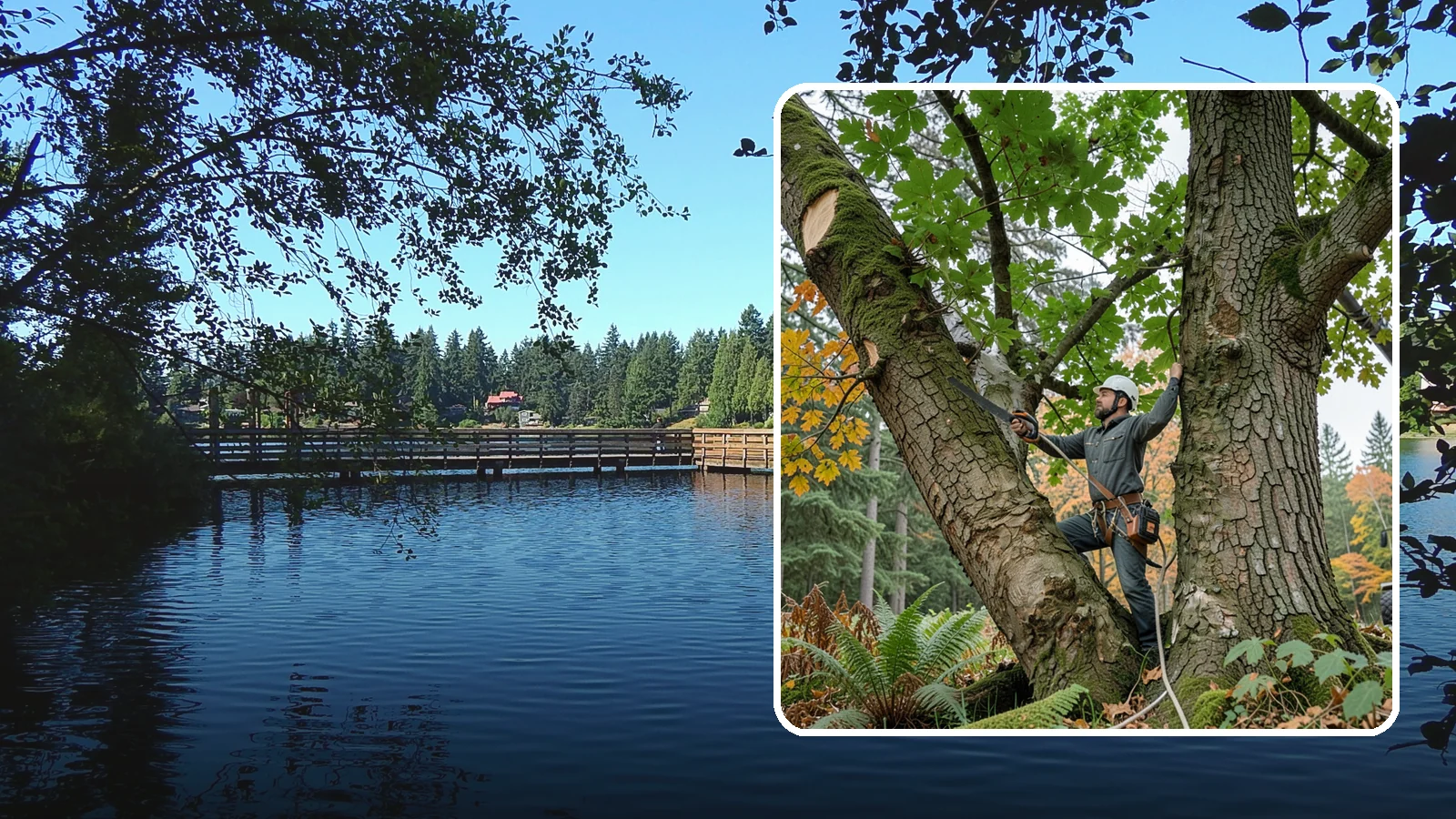
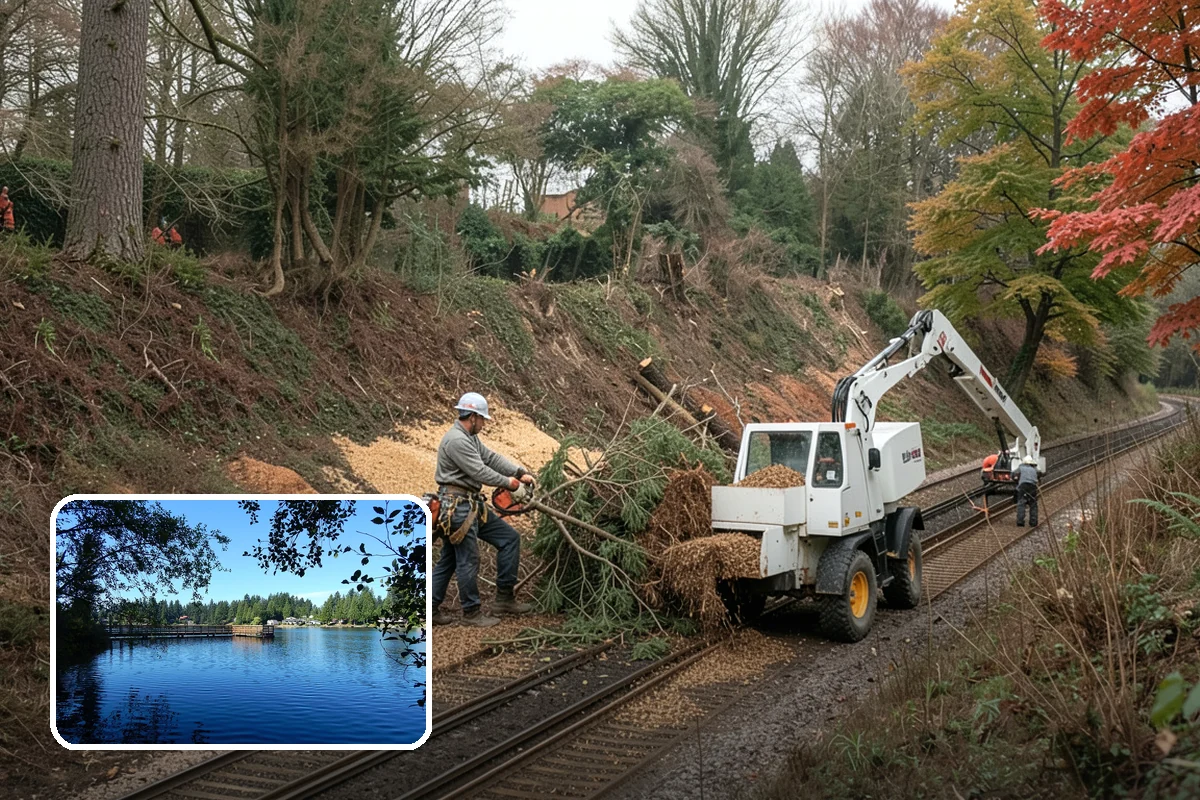
We utilize a range of tools including hand saws, pole saws, chainsaws, and wood chippers to handle branches efficiently. Climbing gear and rigging equipment allow our team to access high limbs securely when necessary. An aerial lift is used only if the site conditions or tree size require additional height assistance.
Federal Way Canopy Reduction Safety & Best Practices
We strictly follow recognized arboricultural standards to avoid making harmful cuts that could stress your trees. Our crew watches closely for unstable limbs and overhead power lines while working at heights with proper fall protection. By limiting removal to healthy amounts of live tissue, we prevent unnecessary shock or damage during the process.
Signs You Need Canopy Reduction in Federal Way
You may need this service if you notice deadwood in weak unions or branches that block sightlines near your home. Interference with structures or utility lines often indicates it is time for a measured reduction of canopy size. Over-pruning from past attempts can also signal a need to correct structure and restore the tree’s natural vigor.
What Affects the Cost of Canopy Reduction in Federal Way
The price varies based on the overall size of the trees, how complex the site access is, and the volume of wood that needs disposal. Larger jobs with difficult terrain or significant amounts of cut material will naturally require more time and resources. These factors combine to determine a fair estimate for your specific project scope.
Best Time of Year for Federal Way Canopy Reduction
Work should be scheduled according to species-specific timing sensitivities common in our region to avoid stressing trees during active growth. We plan around dormancy periods so that cuts do not coincide with times when the tree is most vulnerable to weather or disease. Following these seasonal windows ensures the best recovery and health for your canopy after reduction.
Canopy Reduction Serving Federal Way
Federal Way
A large city in south King County between Tacoma and Seattle, near Puget Sound.
Growing Conditions in Federal Way
Permits & Local Notes for Federal Way
Canopy reduction in nearby areas
Also serving Federal Way
- Flowering Cherry Pruning in Federal Wayat Washington Landscaping
- Zinc Strip Installation in Federal Wayat Washington Roofing
- Invasive Vegetation Removal in Federal Wayat Washington City Services