Where Safety Meets Expert Tree Service.

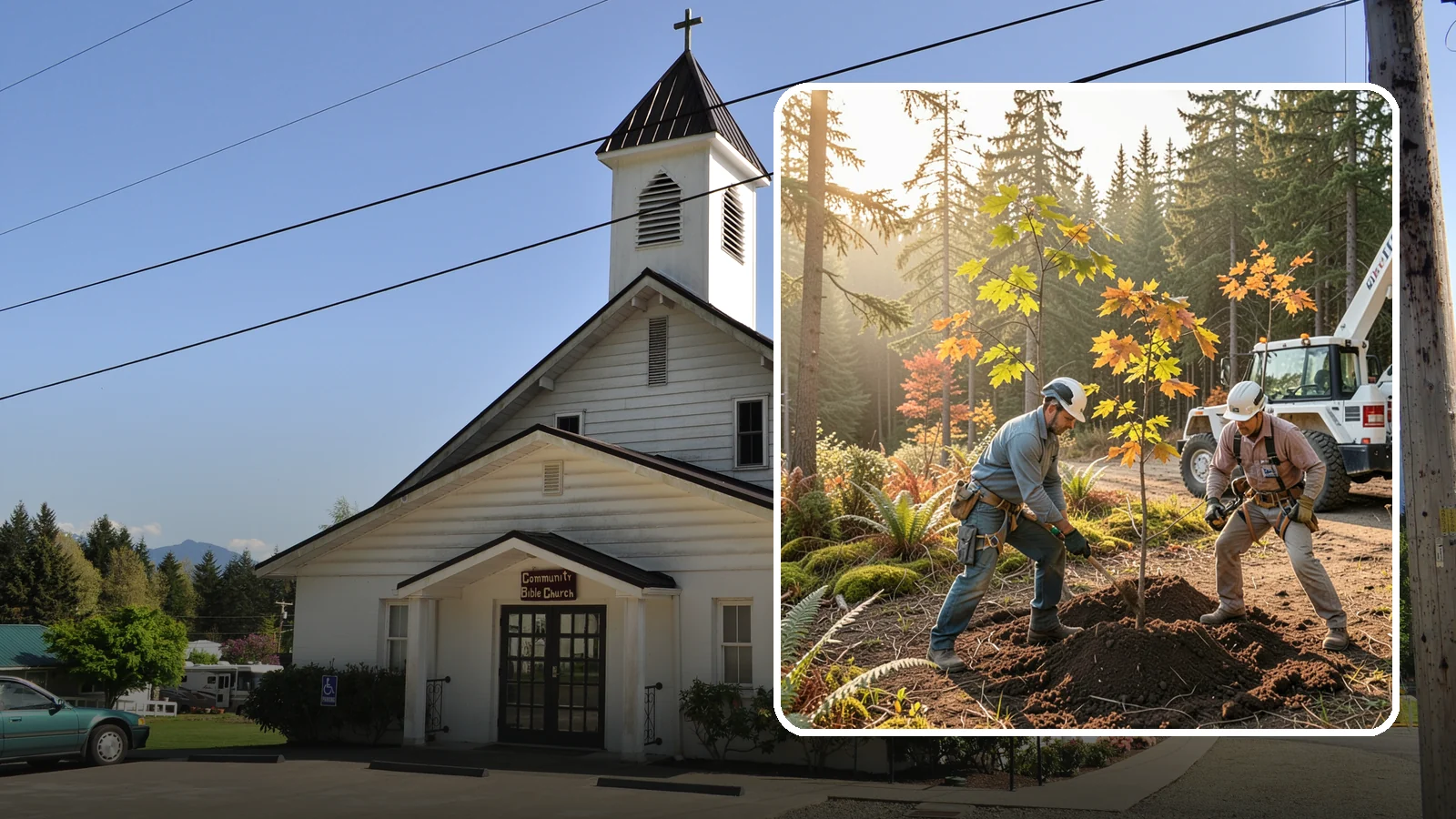
Concrete Native Tree Planting
The planting of species native to the region.
In Concrete, 84% of the year's rain and snow falls between October and April, according to Daymet records for 2005 to 2025. That makes fall and winter a practical time to put native trees in the ground, because the soil stays moist while the trees are dormant and settling in.
The right species and the right spot matter as much as the season. Soil, drainage and what is buried under the planting area all shape which native tree will do well on your lot, and where the hole should go.
About Native Tree Planting in Concrete
Native tree planting helps restore local ecology while adding privacy and shade to your property. This service is designed for homeowners who want healthy trees that are naturally suited to their site conditions. We use trained crews to ensure every new addition supports long-term resilience in the region.
What Concrete Native Tree Planting Includes
Our work focuses on selecting and installing species native to Washington State to improve overall site health. The process includes preparing the soil, planting at the correct depth, and providing guidance for proper establishment. Every method is matched specifically to the tree type and your unique location conditions.
Concrete Native Tree Planting Process
We begin by assessing your land to choose suitable trees that will thrive in local environments. After clearing and amending the area as needed, our crew plants each tree with care to protect its roots. Finally, we apply mulch and water before offering advice on how to keep your new planting healthy for years to come.
Equipment We Use for Concrete Native Tree Planting
The job requires digging tools, watering equipment, and materials like soil amendments and mulch. We also bring staking supplies when necessary and ensure all crew members wear personal protective gear during the work. These resources allow us to handle different site conditions safely and effectively.
Concrete Native Tree Planting Safety & Best Practices
Before any digging begins, we locate underground utilities to prevent damage or injury. Our team selects species that fit your space well to avoid future conflicts between roots and structures. We also take care not to harm existing root systems while handling the new trees for planting.
Signs You Need Native Tree Planting in Concrete
You may need this service if you notice poor soil quality or compacted ground in your yard. Signs of improper past planting, such as shallow depth or unsuitable species choices, are another reason to call us. If you want to expand tree cover without risking transplant shock later on, native planting is a great option for you.
What Affects the Cost of Native Tree Planting in Concrete
The price depends heavily on how accessible the site is and whether soil amendments are required. Choosing species that match your local conditions helps avoid extra costs related to poor growth or replacement needs. Additionally, ensuring proper depth and spacing during installation influences the overall investment in your project.
Best Time of Year for Concrete Native Tree Planting
Planting works best when done during dormancy in late fall or early spring to reduce stress on the trees. We aim to schedule work before frozen ground sets in so roots can establish themselves properly. Specific timing must always align with the unique requirements of each native species we select for your landscape.

Planting native trees in Concrete: soil, season and site
Native tree planting here is a short series of decisions made before any digging starts. Here is how we approach it.
1. Check the ground first
The NRCS soil survey says 30% of the land in Concrete has a hard or restrictive layer, such as glacial hardpan, within 40 inches of the surface. The survey covers the city as a whole, not your yard, so we dig a test hole and see what is under your planting spot. If water sits in the hole or the soil is hard below the topsoil, roots may struggle. In that case we may choose a species that tolerates wet feet, or plant on a slightly different spot.
The same survey lists Birdsview as the most common soil series, with 76% of the land well drained and 1% poorly drained. Many sites drain well, but drainage can change from one corner of a lot to another.
2. Call before you dig
WSU Extension's Pacific Northwest Gardener's Handbook advises calling 811 at least two business days before digging a planting hole. Buried lines are easy to hit, so we plan for that wait when we schedule planting.
3. Match the tree to the site
Concrete is in USDA hardiness zone 8b, and parts of the city fall in 8a. Most Pacific Northwest natives handle that range. Cold pockets at the lower end are still worth considering for tender young trees. We look at light, space for the mature size, and distance from buildings and power lines.
4. Plant it properly
- Dig a wide, shallow hole, no deeper than the root ball.
- Set the root flare at or just above the soil surface.
- Backfill with the native soil and water it in.
- Add mulch, keeping it back from the trunk.
Young trees need regular water through their first dry seasons, even though the wet months do much of the work. If you want a plan for species and placement, call or text 425-484-4442 for a free estimate.
Concrete tree conditions at a glance
| USDA hardiness zone | 8b (8a to 8b across the city) |
|---|---|
| Soils | 30% of land has hardpan or another restrictive layer within 40 in; most common series Birdsview; 76% well drained |
| Rain and snow falling October to April | 84% of the year’s total |
| Days that freeze at night and thaw by day | 46 a year |
Tree removal rules in Concrete
Concrete’s published rules don’t spell out clearly which removals need city approval. We check with the city before work starts.
Sources: Daymet daily weather (NASA/ORNL), NOAA Storm Events, USDA plant hardiness map 2023, NRCS soil survey, USGS elevation, WA DNR landslide inventory, USDA Forest Service aerial survey, WSDA, city tree assessments and street-tree inventories, SILVIS Lab, Arbor Day Foundation, and official city and utility pages.
Native Tree Planting Serving Concrete
Concrete
Native tree planting in nearby areas
Also serving Concrete
- Vegetable Garden Installation in Concreteat Washington Landscaping
- Municipal Mulch Installation in Concreteat Washington City Services