Where Safety Meets Expert Tree Service.

Concrete Driveway clearance pruning
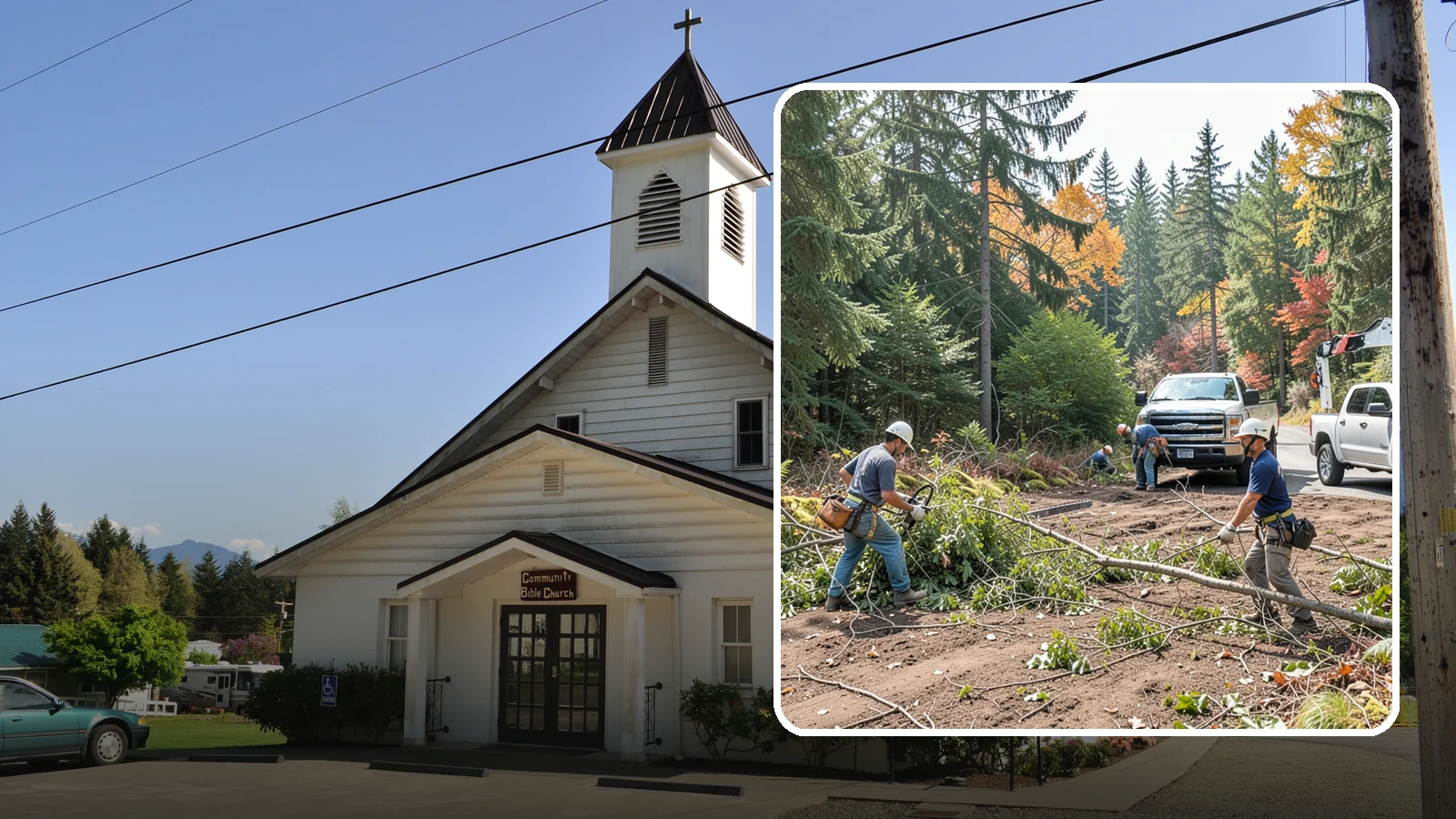
Pruning to provide vertical and side clearance over driveways.
About Driveway Clearance Pruning in Concrete
Driveway clearance pruning helps keep your home’s entrance safe by ensuring vehicles can pass under tree branches without risk. This friendly service is designed for homeowners who want clear sightlines and a tidy approach to their garage or street. We work with you to maintain the health of your trees while protecting your driveway access.
What Concrete Driveway Clearance Pruning Includes
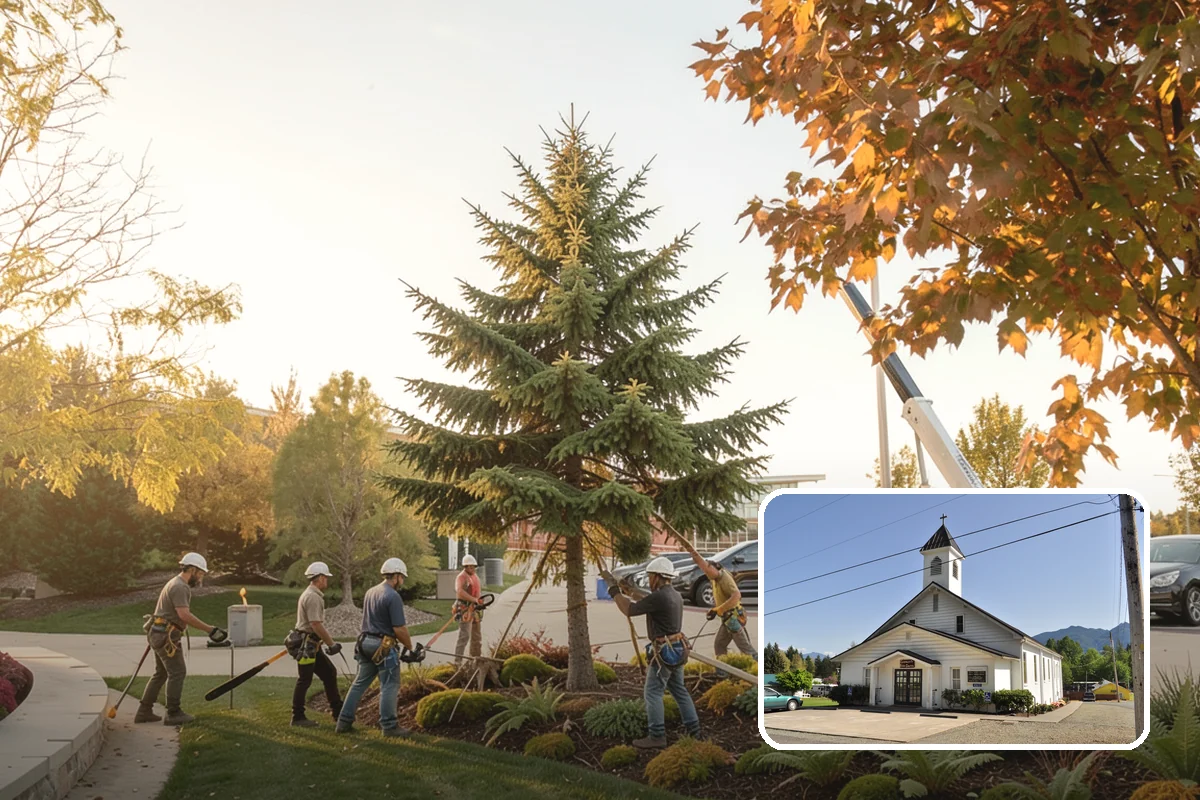
Our team performs pruning specifically to provide vertical and side clearance over driveways, allowing safe vehicle passage every day. This service improves tree structure and appearance by removing branches that interfere with structures or block views from inside a car. We match our methods to the specific needs of each tree species and your unique site conditions.
Concrete Driveway Clearance Pruning Process
The work begins with an assessment of your canopy condition and clear discussion about pruning objectives for your property. Our trained crews select clean cuts at proper points, avoiding over-pruning while removing deadwood or weak unions that could fail later. We process the cut material on-site and thoroughly clean up the driveway area to leave everything tidy after completion.
Equipment We Use for Concrete Driveway Clearance Pruning
To complete this job safely, we use hand saws, pole saws, chainsaws, and climbing gear matched to your specific trees. When access requires it, our crews bring aerial lifts and wood chippers to handle larger branches efficiently. Every crew member wears personal protective equipment while operating these tools around overhead lines and unstable limbs.
Concrete Driveway Clearance Pruning Safety & Best Practices
We follow recognized arboricultural standards to make cuts that avoid stressing the tree or causing harmful damage. Our safety protocols include using fall protection when working aloft and carefully watching for dangerous conditions like weak branches or power lines. By limiting removal to healthy amounts of live tissue, we reduce the risk of branch failure while keeping your driveway secure.
Signs You Need Driveway Clearance Pruning in Concrete
You may need this service if you notice interference with structures such as garage doors or overhead wires blocking vehicle access. Deadwood hanging over your drive or weak unions near the ground are also signs that pruning is required to prevent accidents. If branches obstruct sightlines when pulling out of a parked car, it is time to schedule clearance work for better visibility and safety.
What Affects the Cost of Driveway Clearance Pruning in Concrete
The price depends on tree size and how difficult access is across your driveway surface. Canopy complexity often requires specific cuts tailored to each species, which influences the overall cost of the project. Additionally, factors like the amount of wood material that needs disposal will play a role in determining the final quote for your property.
Best Time of Year for Concrete Driveway Clearance Pruning
Work schedules are planned according to recognized arboricultural standards matched to the season required by each tree species in our local climate. We avoid cutting during times when specific trees are sensitive to stress, ensuring they remain vigorous and healthy year-round. Contact us anytime to discuss how we can fit this seasonal work into your calendar for optimal results.
Driveway Clearance Pruning Serving Concrete
Concrete
A small town on the upper Skagit River in the eastern foothills of Skagit County.
Growing Conditions in Concrete
Permits & Local Notes for Concrete
Driveway clearance pruning in nearby areas
Also serving Concrete
- Cedar Tree Pruning in Concreteat Washington Landscaping
- Roof Maintenance Plan in Concreteat Washington Roofing
- Trail Clearing in Concreteat Washington City Services