Where Safety Meets Expert Tree Service.

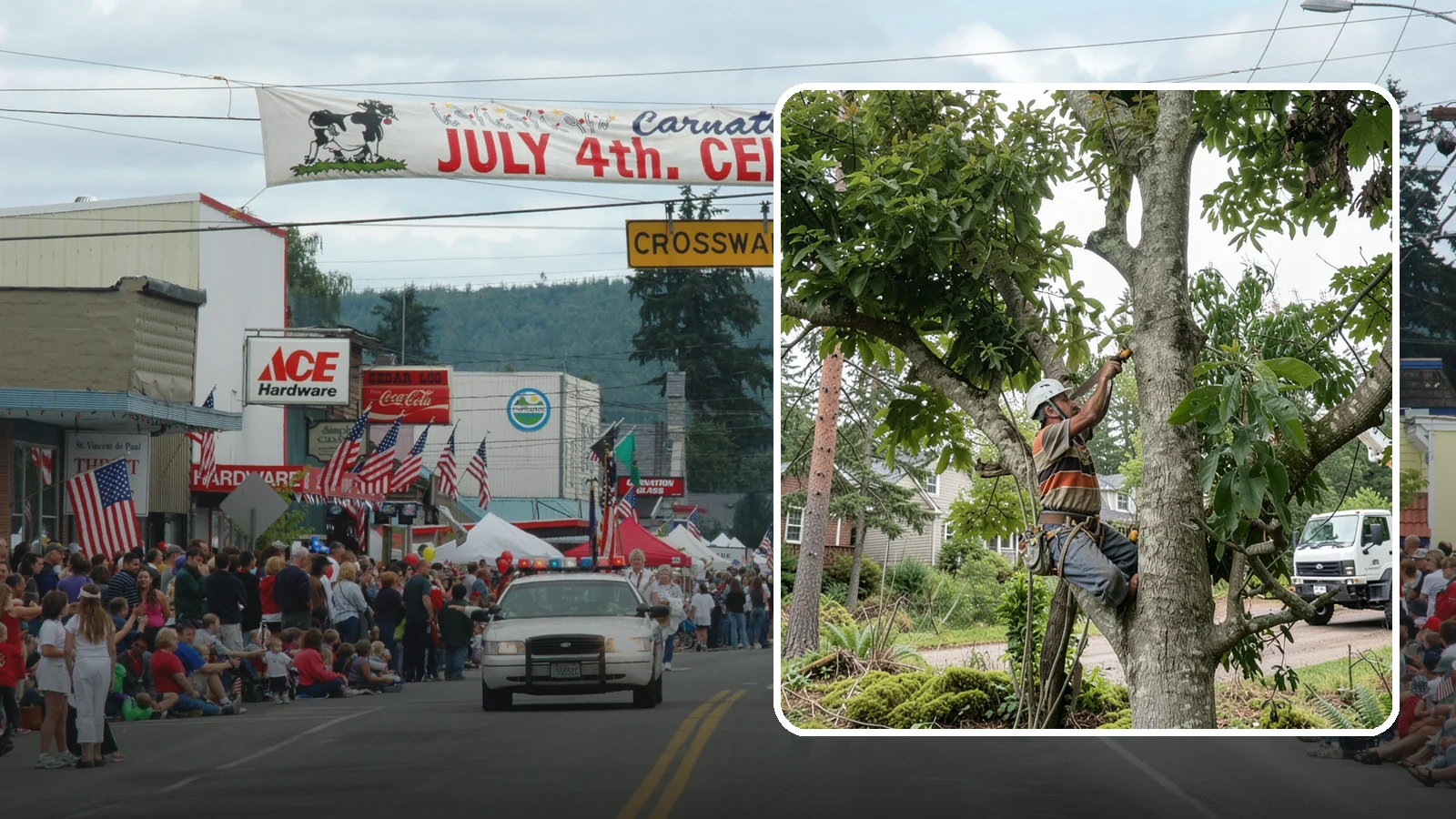
Carnation Tree Pruning
The removal of specific branches to improve a tree’s structure, health, and safety.
When is the right time to prune trees in Carnation? For most jobs, the answer is a dry spell, not a wet one. Around 80% of the year's rain and snow falls from October to April, so the drier months give cleaner conditions for cutting and for checking how a tree is shaped.
Start by walking your yard and marking what bothers you: dead branches, limbs over the roof, crossing branches, or a cherry with oozing, sunken bark. Those notes make it easier to decide what needs cutting now and what can wait.
About Tree Pruning in Carnation
Tree pruning helps homeowners maintain healthy, strong trees that fit well within their landscape. Our trained crews work carefully to remove specific branches while keeping your property safe and attractive year-round. We focus on improving the overall structure of your tree without causing unnecessary stress.
What Carnation Tree Pruning Includes
This service involves removing selected branches to enhance a tree’s health, appearance, and safety around structures or power lines. It targets defective growth like deadwood and weak unions to support a robust framework for future seasons. Every cut is planned to match the specific needs of your tree species and site conditions.
Carnation Tree Pruning Process
We begin by assessing the canopy condition and defining clear goals for what you want to achieve with each tree. Our team selects precise cuts that follow recognized arboricultural standards, ensuring we never remove too much live tissue at once. After making clean incisions at proper points, we lower branches safely, process the wood material, and leave your work area tidy.
Equipment We Use for Carnation Tree Pruning
To complete this job effectively, our crews use hand saws, pole saws, chainsaws, and various climbing or rigging gear as needed. Depending on access requirements, an aerial lift may be brought in to reach higher branches safely. We also utilize a wood chipper for processing cut material and wear full personal protective equipment throughout the project.
Carnation Tree Pruning Safety & Best Practices
Safety is our priority, so we always follow recognized pruning standards to avoid making harmful cuts that could weaken your tree. Our workers watch closely for overhead power lines and unstable limbs before starting any work aloft or on the ground. We limit removal to healthy amounts of live tissue and use fall protection whenever anyone climbs a tree.
Signs You Need Tree Pruning in Carnation
You may need this service if you notice deadwood, weak branch unions, or branches interfering with your home’s structures or utility lines. Over-pruning from previous attempts or improper cuts can cause stress that shows up as declining health in the canopy. If sightlines are blocked by low-hanging limbs or clearance issues exist near walkways, pruning is a good solution.
What Affects the Cost of Tree Pruning in Carnation
The investment for this work depends on factors like your tree species and how large its canopy has grown over time. Access requirements might change if equipment such as an aerial lift is needed to reach certain branches safely. Additionally, the volume of wood material that must be removed and processed will influence the overall cost of the project.
Best Time of Year for Carnation Tree Pruning
The best time for pruning follows recognized arboricultural standards matched to our local Puget Sound climate conditions. We aim to schedule work during natural dormant periods preferred by each specific tree species in your landscape. Timing is critical because cutting at the wrong season can harm the tree or delay its ability to heal properly.
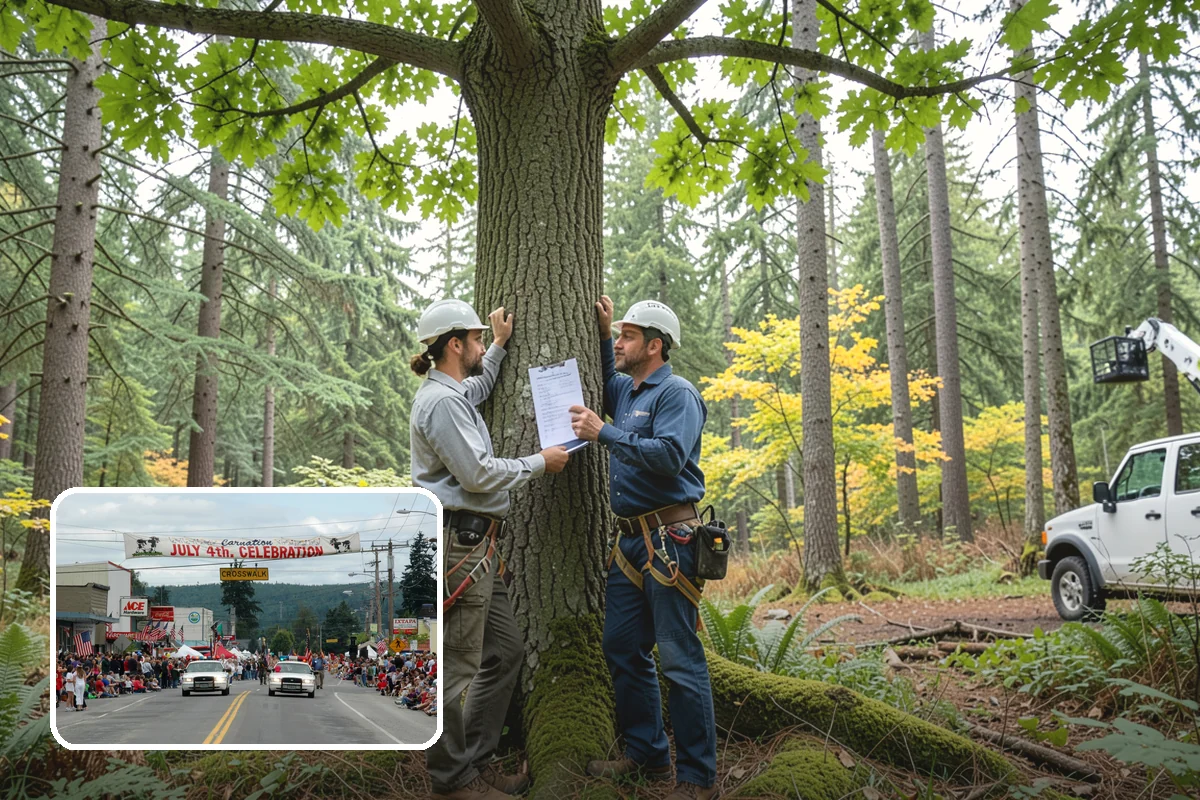
Pruning Trees in Carnation: Timing, Cuts and Wounds
Why the wet season matters
The share of rain and snow that falls from October to April comes from Daymet data for 2005 to 2025. For pruning, it means damp weather is the norm for much of the year. Fresh cuts left open in wet conditions give disease easier access, and that matters most for trees prone to infection. Cherries are one example. WSU HortSense advises pruning out bacterial canker in dry weather, well below the canker, and sterilizing tools often. If your cherry has oozing or sunken patches, plan the cut for a dry day and keep the cleaning between cuts in mind.
Wind and what to remove first
The National Weather Service forecast zone that includes Carnation logged 40 high and strong wind episodes between 2005 and 2025. That figure covers the whole zone, not your property, but it is a fair reason to look up before the next storm. Dead, cracked or rubbing branches are the first candidates for removal. So are limbs that hang over a roof or driveway. Good pruning follows ISA and ANSI A300 practice: cut back to a branch collar or a suitable side branch, and avoid stubs. Removing too much live crown at once stresses a tree, so we do not recommend topping.
Skip the wound paint
Many owners expect to seal cuts with paint or tar. The WSU Extension Pacific Northwest Gardener's Handbook, in its chapter on pruning woody landscape plants, says wound paint is largely unnecessary and can be damaging. A clean cut in the right place is what helps the tree close the wound on its own.
Before work starts
Tell us what you want to fix, and we will walk the trees with you. Our ISA Certified Arborist can explain which cuts make sense. If a job could touch a city rule, we check with the city before any work begins. Call or text 425-484-4442 for a free estimate.
Carnation tree conditions at a glance
| USDA hardiness zone | 8b |
|---|---|
| Rain and snow falling October to April | 80% of the year’s total |
| Days that freeze at night and thaw by day | 34 a year |
| Tree City USA | 4 years |
| Electric utility | unconfirmed |
Sources: Daymet daily weather (NASA/ORNL), NOAA Storm Events, USDA plant hardiness map 2023, NRCS soil survey, USGS elevation, WA DNR landslide inventory, USDA Forest Service aerial survey, WSDA, city tree assessments and street-tree inventories, SILVIS Lab, Arbor Day Foundation, and official city and utility pages.
Tree Pruning Serving Carnation
Carnation
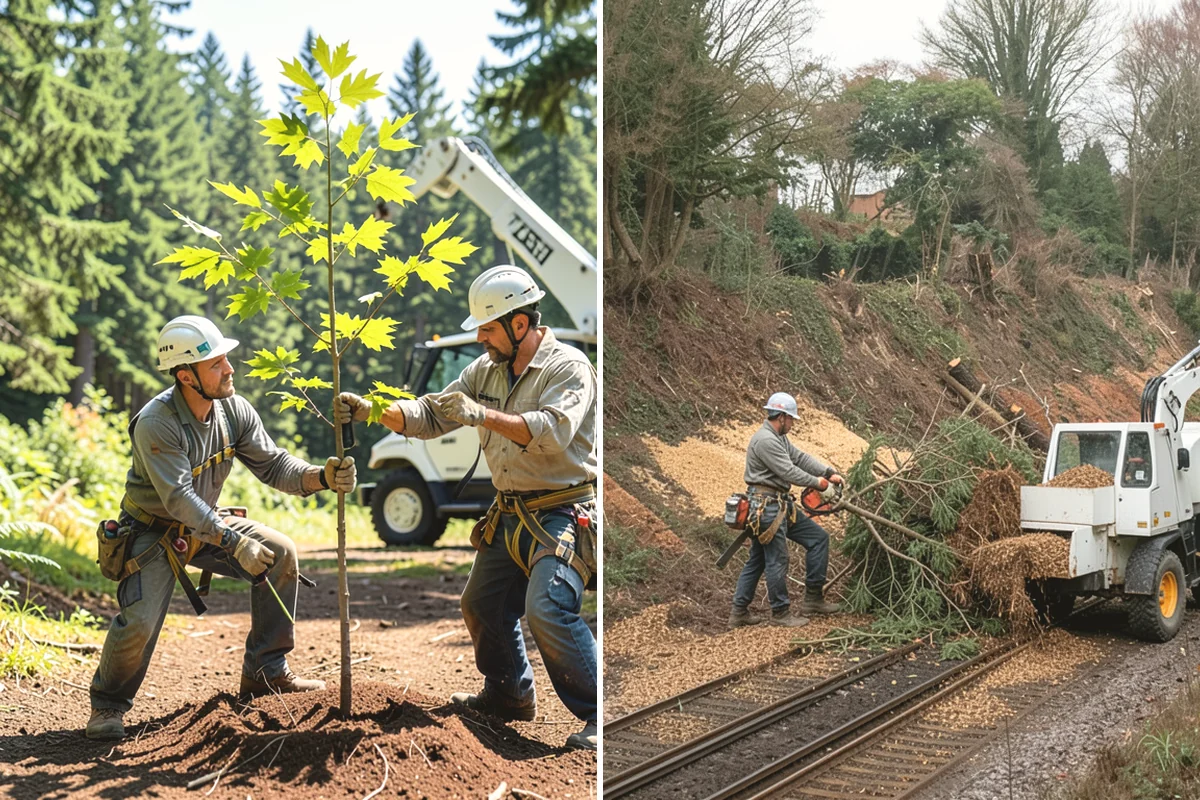
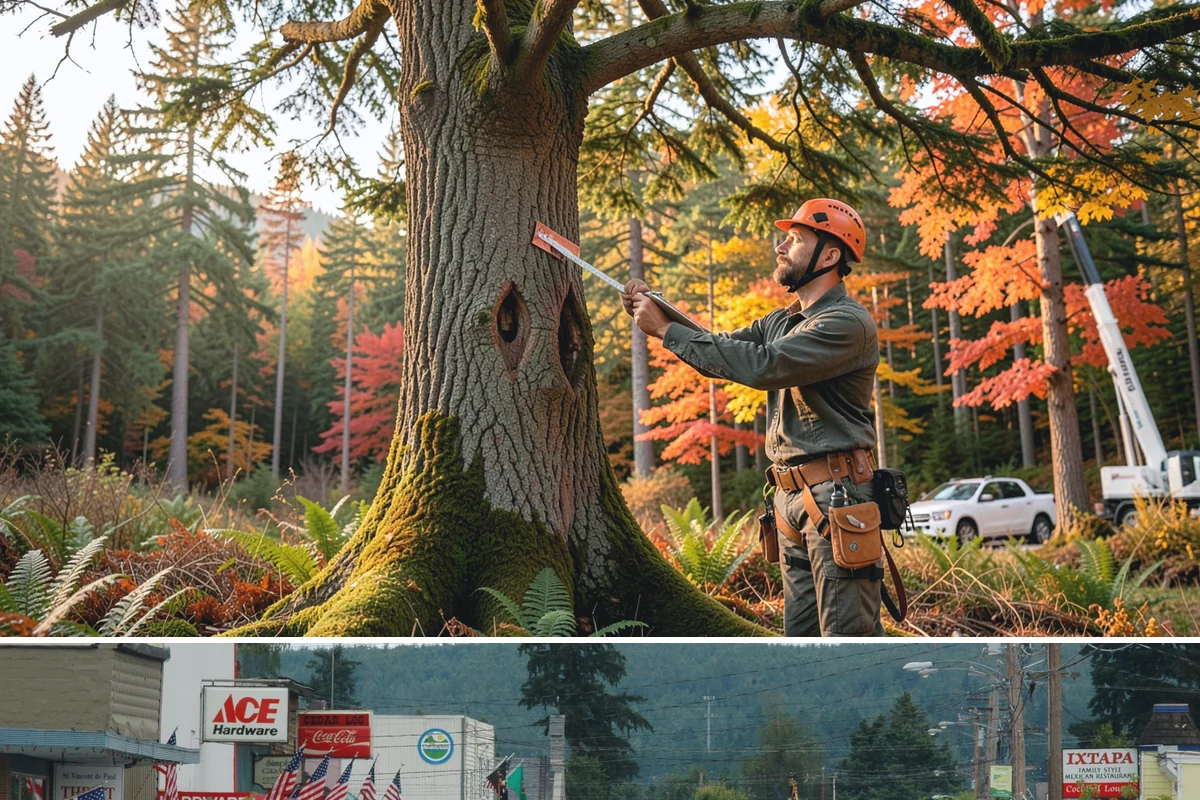
Tree Pruning in nearby areas
Also serving Carnation
- Spruce Pruning in Carnationat Washington Landscaping
- Zinc Strip Installation in Carnationat Washington Roofing
- Park Tree Maintenance in Carnationat Washington City Services