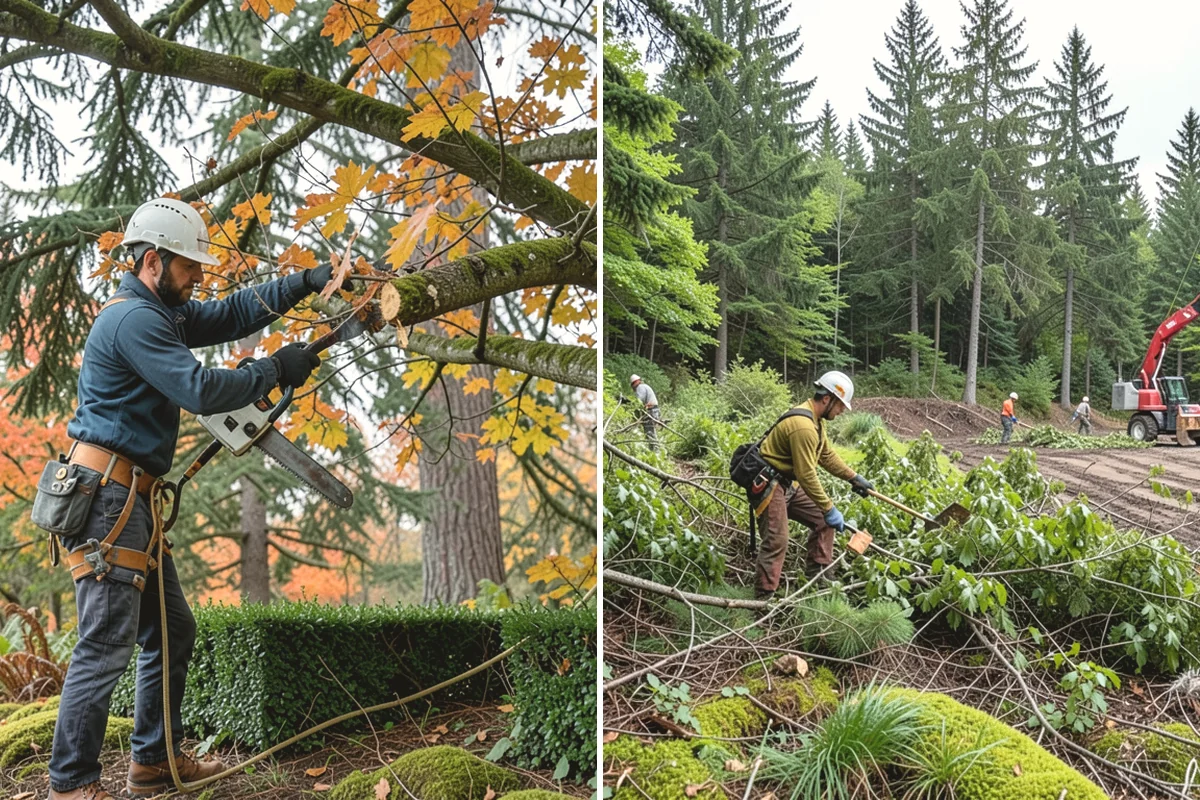
Where Safety Meets Expert Tree Service.

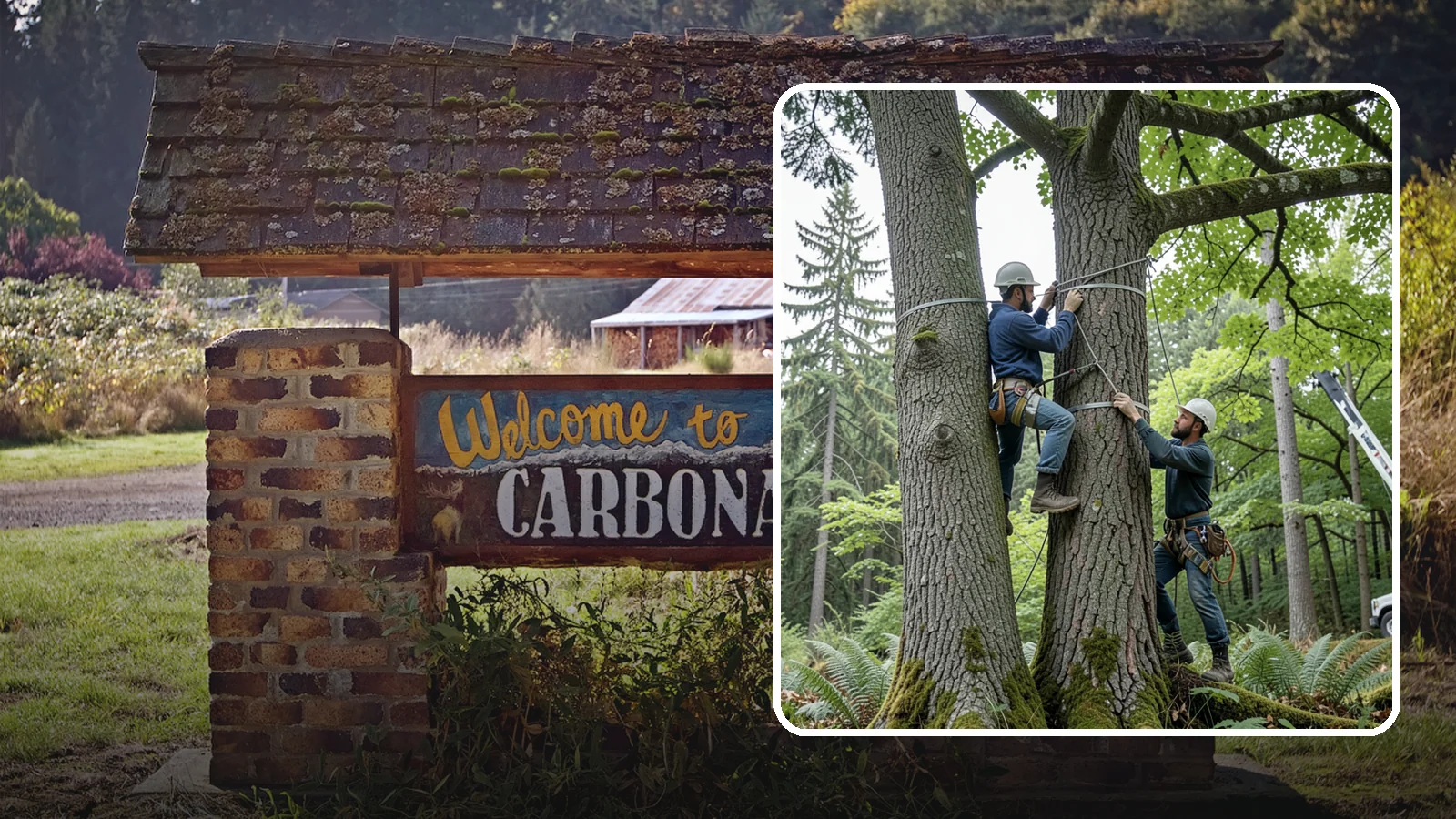
Carbonado Limb Support Systems
Support hardware installed to reduce the risk of limb failure.
Can a tree with a weak limb union be kept instead of removed? Often, yes. A limb support system, usually a cable or brace installed high in the canopy, can reduce the strain on a split-prone fork or a heavy, overextended limb. It does not make a tree storm-proof, and it needs a look at the tree first.
If you have a tree in Carbonado with a V-shaped fork, a crack, or a limb that leans over a house, driveway or play area, it is worth having the structure assessed before the next big storm season.
About Limb Support Systems in Carbonado
We install limb support systems to help protect your valued trees from breaking under heavy loads or stress. This service is ideal for homeowners who want to preserve significant specimens that have weak unions or overextended branches. Our trained crews use recognized standards to ensure the hardware works effectively with your specific tree species and site conditions.
What Carbonado Limb Support Systems Includes
Limb support systems involve installing specialized cabling and bracing hardware designed to reduce the risk of limb failure. We focus on heavy limbs worth saving, using methods that match the unique needs of each tree at its location. The goal is to strengthen weak points while maintaining the natural beauty and health of your landscape trees.
Carbonado Limb Support Systems Process
Our team begins by assessing structural defects and load paths to determine where support is most needed. Once a system is selected, we install hardware at correct positions using climbing gear or aerial lifts as required. We document every installation clearly and set up an inspection schedule so you know when the next check-up should happen.
Equipment We Use for Carbonado Limb Support Systems
The work relies on high-quality cabling and bracing hardware along with professional installation tools for secure attachment. Our crews bring necessary climbing and rigging gear, plus personal protective equipment to keep everyone safe during the job. An aerial lift is used whenever site access conditions require extra reach or stability while working in your tree canopy.
Carbonado Limb Support Systems Safety & Best Practices
We install support systems only where they will be truly appropriate and effective for reducing failure risk. All hardware we use is correctly rated, and we inspect these systems periodically to ensure they remain secure over time. If a situation changes or the system ages too much, our experts recognize when removal becomes the safer option for your tree.
Signs You Need Limb Support Systems in Carbonado
You may need this service if you notice included-bark unions, cracks in the trunk, or limbs that have grown too long and heavy. Overextended branches often put extra strain on weak spots called codominant stems, which can lead to dangerous breakage later. Aging hardware from previous installations also needs regular inspection to catch any wear before it becomes a problem.
What Affects the Cost of Limb Support Systems in Carbonado
The price of installing support systems is influenced by the specific species of tree you have and how difficult access is at your site. Complexity plays a major role in cost, especially when working with heavy limbs or those that are significantly overextended. These factors determine the amount of specialized hardware needed and the time required for our trained crews to complete the job safely.
Best Time of Year for Carbonado Limb Support Systems
This service can generally be performed year-round here in Puget Sound weather without waiting for a specific season. However, we require careful planning during colder months to avoid installing supports that might suffer from ice loading before they are fully tested. We will coordinate with you to find the best time to work around your schedule and current weather conditions.
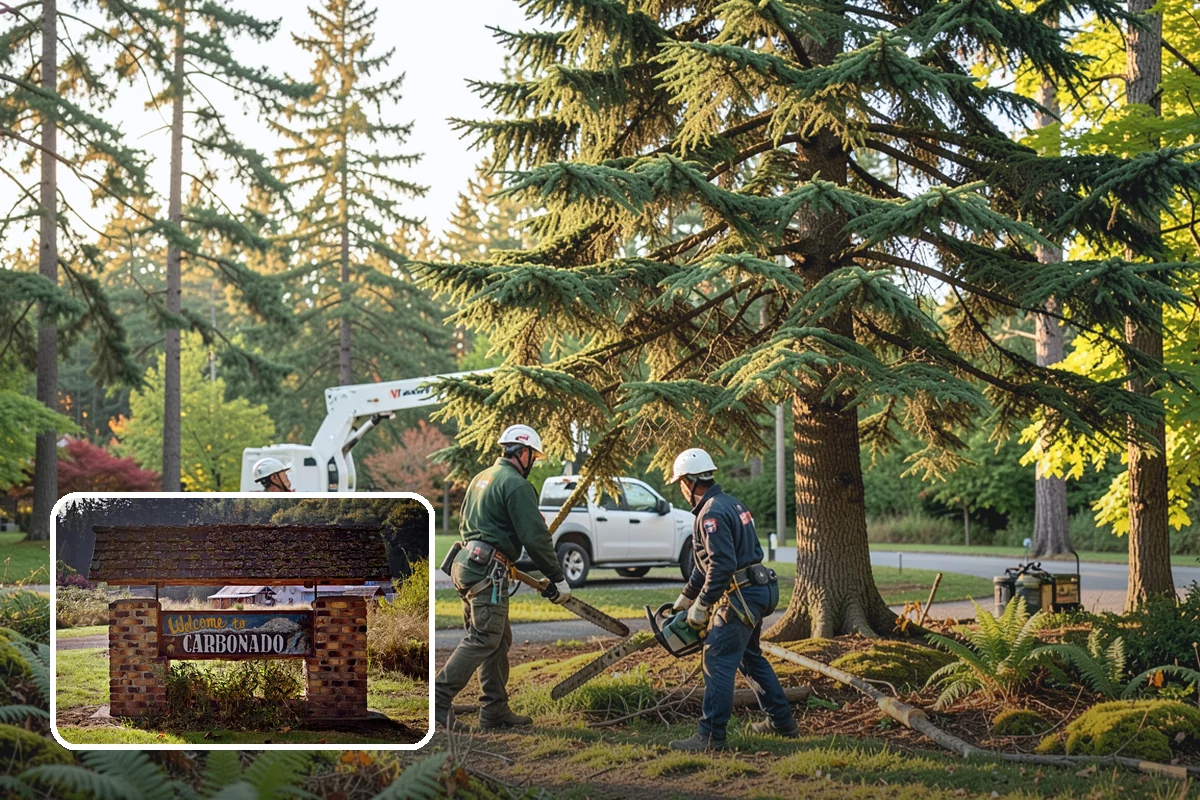
Limb support in Carbonado: wind, ice and what they mean
Why storm history matters for support systems
The National Weather Service forecast zone that includes Carbonado logged 40 high and strong wind episodes from 2005 to 2025. The strongest gust recorded in that zone since 2005 was 72 mph on December 17, 2010. These are zone-wide figures, not measurements from your yard. They do show that repeated wind loading is normal here, and that is the kind of stress cables and braces are meant to share across a weak union.
Ice and snow load
The same zone had 3 ice storm episodes in that period. Ice adds weight to limbs that are already leaning or poorly attached. A support system may help limit how far a limb can move under that weight, but it works only if the tree and the attachment points are sound. Hardware set into decayed wood will not hold.
After a storm, WA DNR Tree Link advises not standing under snow- or ice-loaded trees. Let the load melt and watch from a distance. If a limb looks cracked or hanging, keep people and cars clear until it has been looked at.
What an assessment looks at
Before recommending any support, we check the tree for these points:
- Included bark or a tight V-shaped fork
- Cracks, decay or old wounds near the union
- Limb length and weight beyond the union
- What sits below: house, vehicles, walkways
Where a limb is too decayed or too large a risk, removing or reducing it may be the better answer. Where support fits, installation follows standard ANSI A300 practice, and the system needs periodic inspection afterward. If a city rule might apply to the tree, we check with the city before work starts. For a free estimate, call or text 425-484-4442.
Carbonado tree conditions at a glance
| High and strong wind episodes, 2005-2025 | 40 in the forecast zone |
|---|---|
| Ice storm episodes, 2005-2025 | 3 in the forecast zone |
| Average snowfall | 6.9 in a season (approximate) |
| Soils | 0% of land has hardpan or another restrictive layer within 40 in; most common series Barneston; 100% well drained |
| Slopes | Some steep slopes |
Strongest wind events near Carbonado
- Dec 17, 2010: gusts to 72 mph
- Feb 1, 2017: gusts to 70 mph
- Feb 7, 2012: gusts to 70 mph
NOAA Storm Events, forecast zone that includes Carbonado, 2005-2025.
Sources: Daymet daily weather (NASA/ORNL), NOAA Storm Events, USDA plant hardiness map 2023, NRCS soil survey, USGS elevation, WA DNR landslide inventory, USDA Forest Service aerial survey, WSDA, city tree assessments and street-tree inventories, SILVIS Lab, Arbor Day Foundation, and official city and utility pages.
Limb Support Systems Serving Carbonado
Carbonado