Where Safety Meets Expert Tree Service.

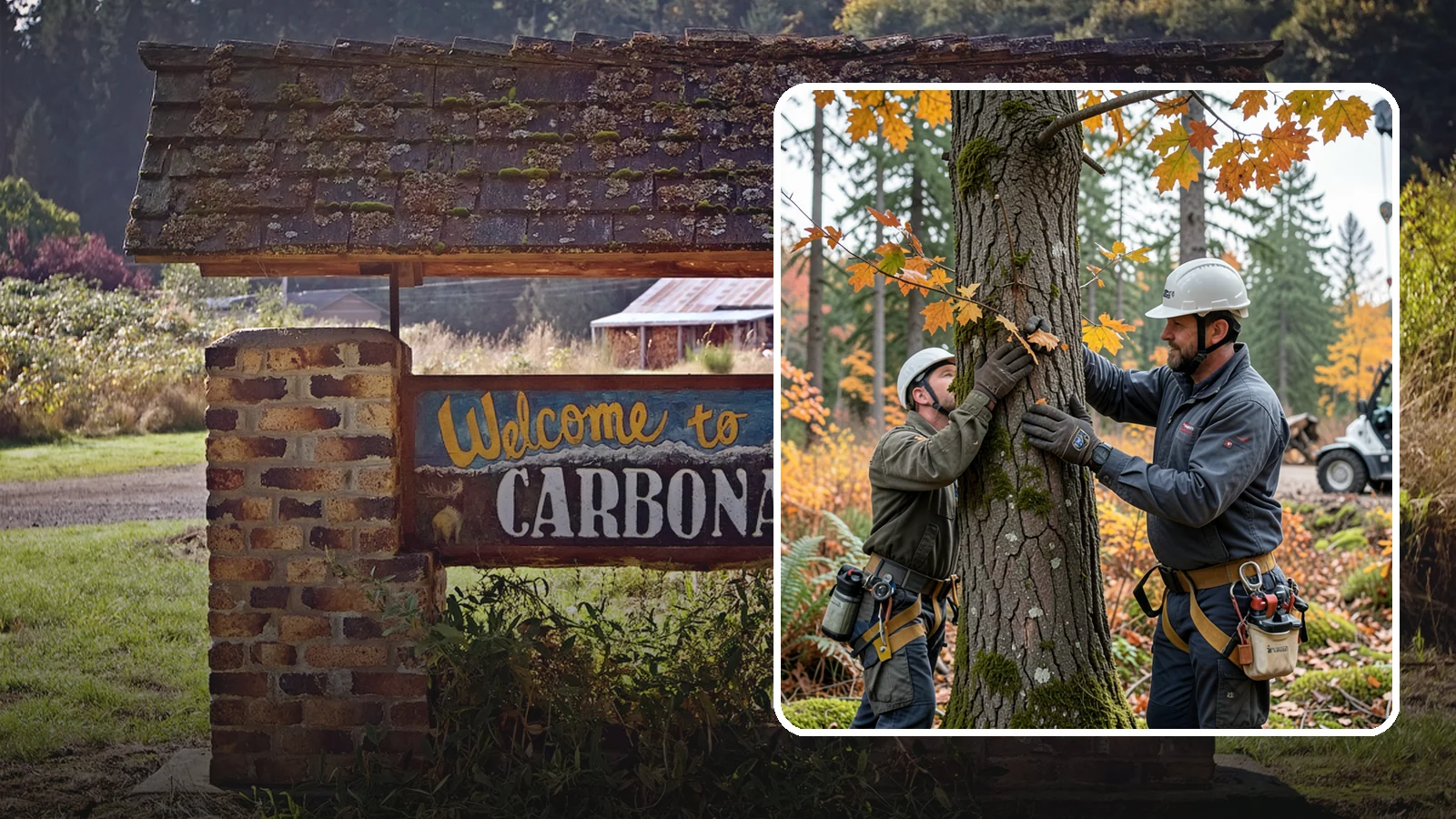
Carbonado Insect Diagnosis
The identification of insect pests affecting tree health.
The best time to have a tree checked for insects is as soon as you see something change, and again in the second spring after a big windstorm. Beetle activity after a Pacific Coast windstorm rose in the second spring and stayed high for two years, according to the WA DNR Forest Health Program.
Look for thinning needles, fine sawdust at the base of the trunk, resin streaming from the bark, or branches that die back from the tips. Take dated photos now. They help the person who diagnoses the problem see how fast it is moving.
About Insect Diagnosis in Carbonado
Our insect diagnosis service helps you understand exactly what pests might be affecting your trees’ health. We work directly for homeowners who want clear answers about infestations before they become serious problems. This approach ensures that every tree receives the specific care it needs to thrive in its environment.
What Carbonado Insect Diagnosis Includes
Insect diagnosis is a focused look at bugs and insects impacting your landscape’s vitality. Our trained crews identify these pests while considering soil conditions, site factors, and how easily we can access each tree. The goal is to confirm any infestations so you can move forward with targeted management steps that fit the specific situation.
Carbonado Insect Diagnosis Process
We begin by carefully inspecting both the tree itself and its surrounding area for clues about pest activity or other issues. Our team identifies contributing factors such as poor soil, disease presence, or past construction changes that might be at play. Based on these findings, we recommend appropriate treatments and document our observations to guide your follow-up care plan.
Equipment We Use for Carbonado Insect Diagnosis
To get an accurate picture of tree health, we use specialized diagnostic tools designed for detailed inspection. Our crews bring along soil probes and sampling kits to check the ground beneath your trees without causing harm. When necessary, we also utilize air excavation equipment or injection systems to reach areas that are hard to see from the surface.
Carbonado Insect Diagnosis Safety & Best Practices
We strictly follow product label guidelines when applying any treatments to protect both people and plants in your yard. Our methods prioritize avoiding damage to roots and trunks while ensuring surrounding plantings remain safe during our work. Every step of the process is documented accurately to maintain a clear record of conditions before, during, and after service.
Signs You Need Insect Diagnosis in Carbonado
You may need this service if you notice unexplained decline or suspect that pests are harming your valued trees. It becomes especially important when there are signs of girdling roots, compacted soil, or issues from past construction work affecting the site. Using our diagnosis helps catch these problems early before they escalate into larger health concerns for your landscape.
What Affects the Cost of Insect Diagnosis in Carbonado
The price we quote depends on factors like the specific species of tree you have and how difficult it is to reach them. Site conditions such as tight spaces around roots or complex soil issues will also influence the overall cost of diagnosis. Additionally, identifying multiple contributing factors like disease alongside pests may adjust the complexity and final investment required for your project.
Best Time of Year for Carbonado Insect Diagnosis
In our local climate, this service can be scheduled at any time throughout the year to address immediate concerns. However, during wetter seasons in Puget Sound areas, we might need air excavation tools to get a clear view of root zones for an accurate diagnosis. Planning ahead allows us to choose the right equipment and timing that ensures the most reliable results for your specific trees.
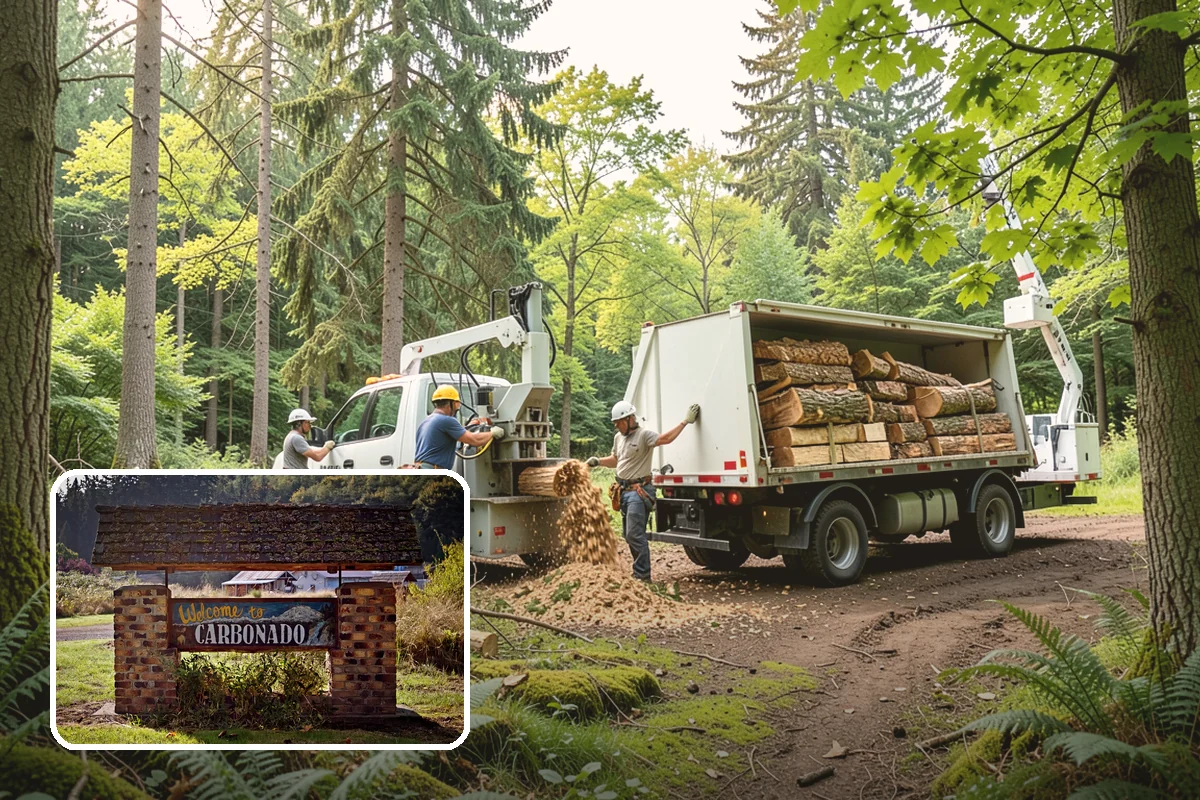
Insect diagnosis planning for trees in Carbonado
A good diagnosis starts with the tree's history. Note when the symptoms began, whether a storm broke limbs or toppled neighbors, and any recent digging, grade changes or drought stress near the roots. Damaged and stressed conifers are the ones beetles tend to go after first.
What the local data tells us
A federal aerial survey (USDA Forest Service and WA DNR, 2021-2025) mapped forest within 10 km of Carbonado. This is forest land, not yard trees, so it does not describe your tree. It does show what is active nearby. The largest mapped damage was from bears, at 8,076 acres of Douglas-fir. Root disease or bears covered 1,139 acres, and Douglas-fir engraver beetle covered 878 acres. Those numbers are a reason to look at Douglas-fir carefully for more than one cause, since bark beetles, root disease and animal damage can look alike from the ground.
Emerald ash borer is a different matter. WSDA confirmed it in Washington only near Vancouver and College Place as of 2026, not in Puget Sound counties. If you have an ash with dieback, other causes are more likely, though a proper inspection should still confirm that.
What affects scope
The scope depends on the species, the number of trees involved, how far symptoms have spread through the crown, and whether the base or roots need a closer look. A single ornamental needs less than a stand of Douglas-fir near your home. Sometimes the answer is that no insect is responsible, and the cause is drought, root decline or disease.
What to expect on the day
An ISA Certified Arborist looks over the crown, trunk and root flare. That means checking bark for entry holes, galleries, resin flow and frass, and examining foliage and the soil around the base. You get a plain explanation of what was found, whether the tree is likely to recover, and what the options are. Free estimates are available for any follow-up work.
Practical tip: if you find sawdust or bark flakes at the base, put a sample in a sealed bag and keep it. It can help identify the insect.
Carbonado tree conditions at a glance
| USDA hardiness zone | 8b |
|---|---|
| Soils | 0% of land has hardpan or another restrictive layer within 40 in; most common series Barneston; 100% well drained |
| Rain and snow falling October to April | 79% of the year’s total |
| Days with 0.1 in or more of rain | 144 a year |
| Tree canopy | Among the most heavily treed Puget Sound cities (satellite data) |
| Days that freeze at night and thaw by day | 45 a year |
Tree health near Carbonado
- Bears8,076 ac
- Root disease or bears1,139 ac
- Douglas-fir engraver878 ac
Forest damage mapped from the air within 10 km of Carbonado, 2021-2025 (USDA Forest Service and WA DNR). This covers forest land, not street or yard trees. “Decline, cause not identified” is dieback with no single cause found.
Sources: Daymet daily weather (NASA/ORNL), NOAA Storm Events, USDA plant hardiness map 2023, NRCS soil survey, USGS elevation, WA DNR landslide inventory, USDA Forest Service aerial survey, WSDA, city tree assessments and street-tree inventories, SILVIS Lab, Arbor Day Foundation, and official city and utility pages.
Insect Diagnosis Serving Carbonado
Carbonado
Insect diagnosis in nearby areas
Also serving Carbonado
- Bush Shaping in Carbonadoat Washington Landscaping
- Landscape Inspections in Carbonadoat Washington City Services