Where Safety Meets Expert Tree Service.

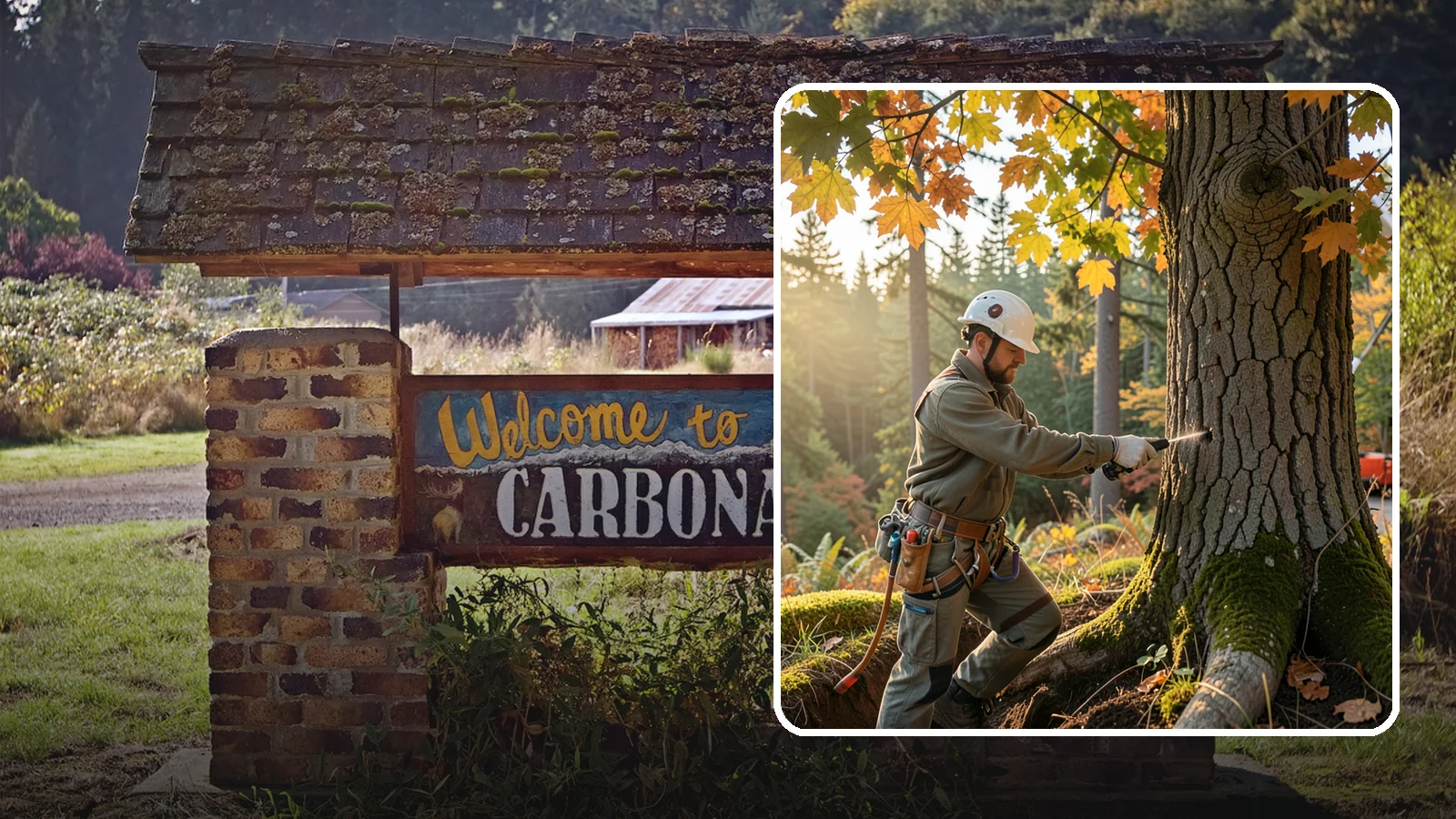
Carbonado Deep Root Fertilization
The injection of nutrients into the root zone.
Is deep root fertilization worth considering for a tree in Carbonado? It can be, when a tree shows signs of low nutrient supply, such as small or pale leaves, short new growth, or thinning in the crown. A soil test or a look at the tree's history should come first, because a healthy tree in healthy soil often needs nothing added.
The work places liquid or soluble nutrients into the upper soil where most fine roots grow. Done well, it feeds roots without cutting into them. Below are the local details that affect how and when it makes sense.
About Deep Root Fertilization in Carbonado
Deep root fertilization is a targeted approach to tree health care that delivers essential nutrients directly into your landscape’s foundation. This service helps valued trees thrive by addressing issues like nutrient-poor or compacted soils before they become serious problems. It is designed for homeowners who want long-term stability and vitality in their existing canopy.
What Carbonado Deep Root Fertilization Includes
The core of this treatment involves injecting specialized nutrients deep into the root zone where your tree can access them most effectively. Our trained crews match specific methods to the unique species, site conditions, and access points around each individual tree. This process supports overall health by improving soil quality while catching early signs of decline before they escalate.
Carbonado Deep Root Fertilization Process
We begin with a thorough inspection of the tree and its surrounding environment to identify contributing factors such as pests or disease history. Based on these findings, we recommend and apply appropriate treatments tailored to your specific site conditions. Every step is documented carefully so you can track progress and plan for necessary follow-up care later on.
Equipment We Use for Carbonado Deep Root Fertilization
Our crews utilize diagnostic tools and soil probes to assess the condition of the ground before starting work. We bring along injection equipment designed to deliver nutrients without damaging roots or trunks, alongside air excavation tools when needed for access. All team members wear personal protective equipment to ensure a safe environment during application.
Carbonado Deep Root Fertilization Safety & Best Practices
Safety is paramount as we strictly follow label guidelines and application instructions for any products used on your property. We take extra care to protect surrounding plantings and the soil structure while avoiding damage to roots or trunks during injection. Accurate documentation of site conditions ensures that our work remains safe and effective throughout the entire process.
Signs You Need Deep Root Fertilization in Carbonado
You may need this service if you notice trees struggling in areas where the ground has become compacted over time. Other indicators include decline caused by past construction, grade changes, girdling roots, or an inability to support healthy growth due to poor soil quality. Recognizing these issues early allows us to intervene and restore your landscape’s natural balance effectively.
What Affects the Cost of Deep Root Fertilization in Carbonado
The investment for deep root fertilization varies based on the size of each tree requiring treatment. Accessibility matters significantly, as difficult-to-reach injection points or complex site conditions like steep grades can influence pricing. Ultimately, we tailor our approach to ensure you receive fair value that matches your specific landscape needs and budget constraints.
Best Time of Year for Carbonado Deep Root Fertilization
While this service is available year-round in the Puget Sound region, weather patterns do affect how quickly we can complete certain tasks. During wetter seasons, we may need to use air excavation tools first to clear access before injecting nutrients into the root zone. Planning your project outside of heavy rain periods often allows for smoother execution and better results without delays.
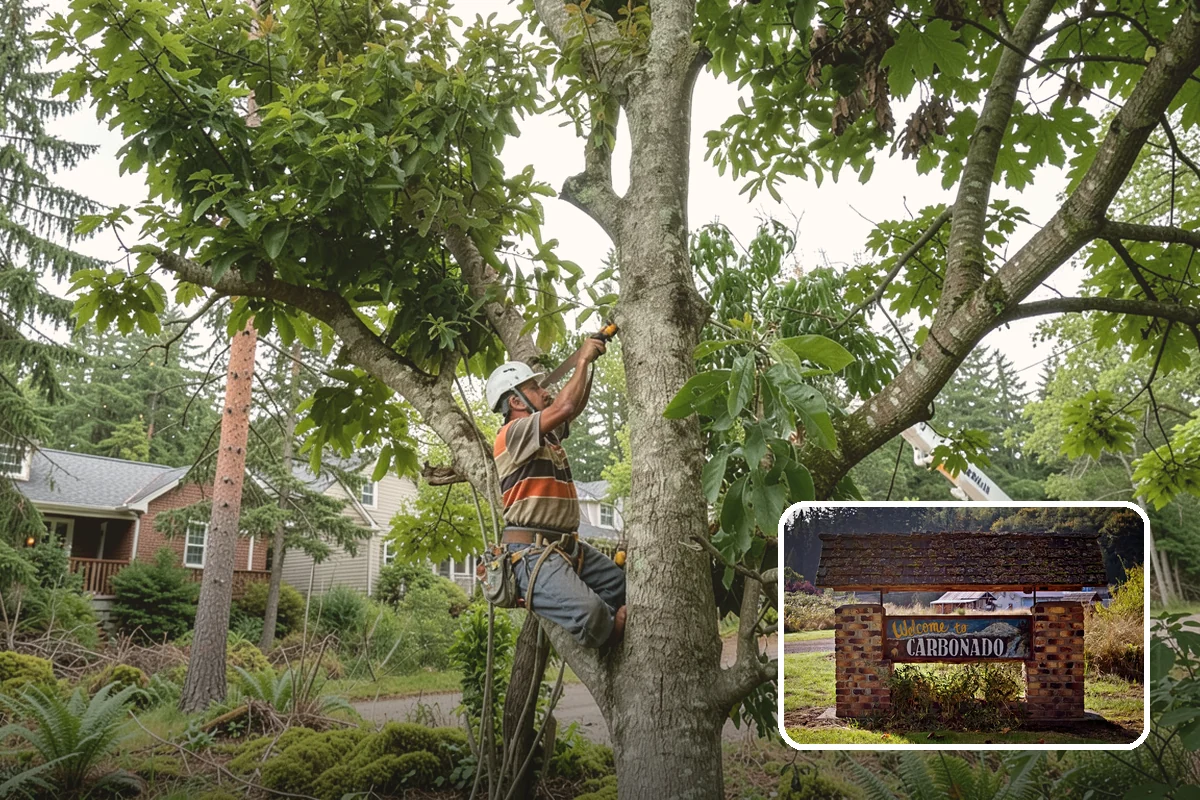
Deep Root Fertilization in Carbonado: Soil, Rain and Timing
Drainage shapes what stays in the soil
The NRCS soil survey lists the most common soil series in Carbonado as Barneston, with 100% of the land well drained and 0% poorly drained. It also shows no hard or restrictive layer, such as glacial hardpan, within 40 inches of the surface. For a tree owner, that means roots can usually spread down and out without hitting a barrier. It also means water and dissolved nutrients can move through quickly. This is survey data for the area, not a reading of your soil, so a soil test on your property is the better guide to what to apply.
Wet months move nutrients
Daymet data for 2005-2025 shows 79% of Carbonado's yearly rain and snow falls from October to April. In well-drained ground, heavy rain can carry soluble nutrients below the root zone. Applying right before a long wet stretch may waste product. Spring and early summer applications, when roots are active and the soil is not saturated, are the usual choice. Rates should follow the soil test and the tree's needs, not a fixed schedule.
Feed without damaging roots
Injection should be shallow and spaced out, not a trench. The WSU Extension Pacific Northwest Gardener's Handbook, Chapter 12, notes that root damage from trenching keeps compromising tree stability long after the trench is filled. That is why we avoid digging near the trunk and use point injection instead.
Carbonado is in USDA hardiness zone 8b, according to the 2023 USDA map. That is a general climate guide for choosing and caring for plants, not a prescription for any one tree.
Before we start
- Tell us about leaf color, growth and any recent construction or soil disturbance near the tree.
- Expect a look at the crown, trunk base and root flare first.
- Some trees need pruning, mulch or watering changes more than fertilizer.
For a free estimate, call or text 425-484-4442. An ISA Certified Arborist on staff can review whether fertilizing fits your tree.
Carbonado tree conditions at a glance
| USDA hardiness zone | 8b |
|---|---|
| Soils | 0% of land has hardpan or another restrictive layer within 40 in; most common series Barneston; 100% well drained |
| Rain and snow falling October to April | 79% of the year’s total |
| Days with 0.1 in or more of rain | 144 a year |
| Tree canopy | Among the most heavily treed Puget Sound cities (satellite data) |
| Days that freeze at night and thaw by day | 45 a year |
Tree health near Carbonado
- Bears8,076 ac
- Root disease or bears1,139 ac
- Douglas-fir engraver878 ac
Forest damage mapped from the air within 10 km of Carbonado, 2021-2025 (USDA Forest Service and WA DNR). This covers forest land, not street or yard trees. “Decline, cause not identified” is dieback with no single cause found.
Sources: Daymet daily weather (NASA/ORNL), NOAA Storm Events, USDA plant hardiness map 2023, NRCS soil survey, USGS elevation, WA DNR landslide inventory, USDA Forest Service aerial survey, WSDA, city tree assessments and street-tree inventories, SILVIS Lab, Arbor Day Foundation, and official city and utility pages.
Deep Root Fertilization Serving Carbonado
Carbonado

Deep root fertilization in nearby areas
Also serving Carbonado
- Weed Removal in Carbonadoat Washington Landscaping
- Median Landscape Maintenance in Carbonadoat Washington City Services