Where Safety Meets Expert Tree Service.

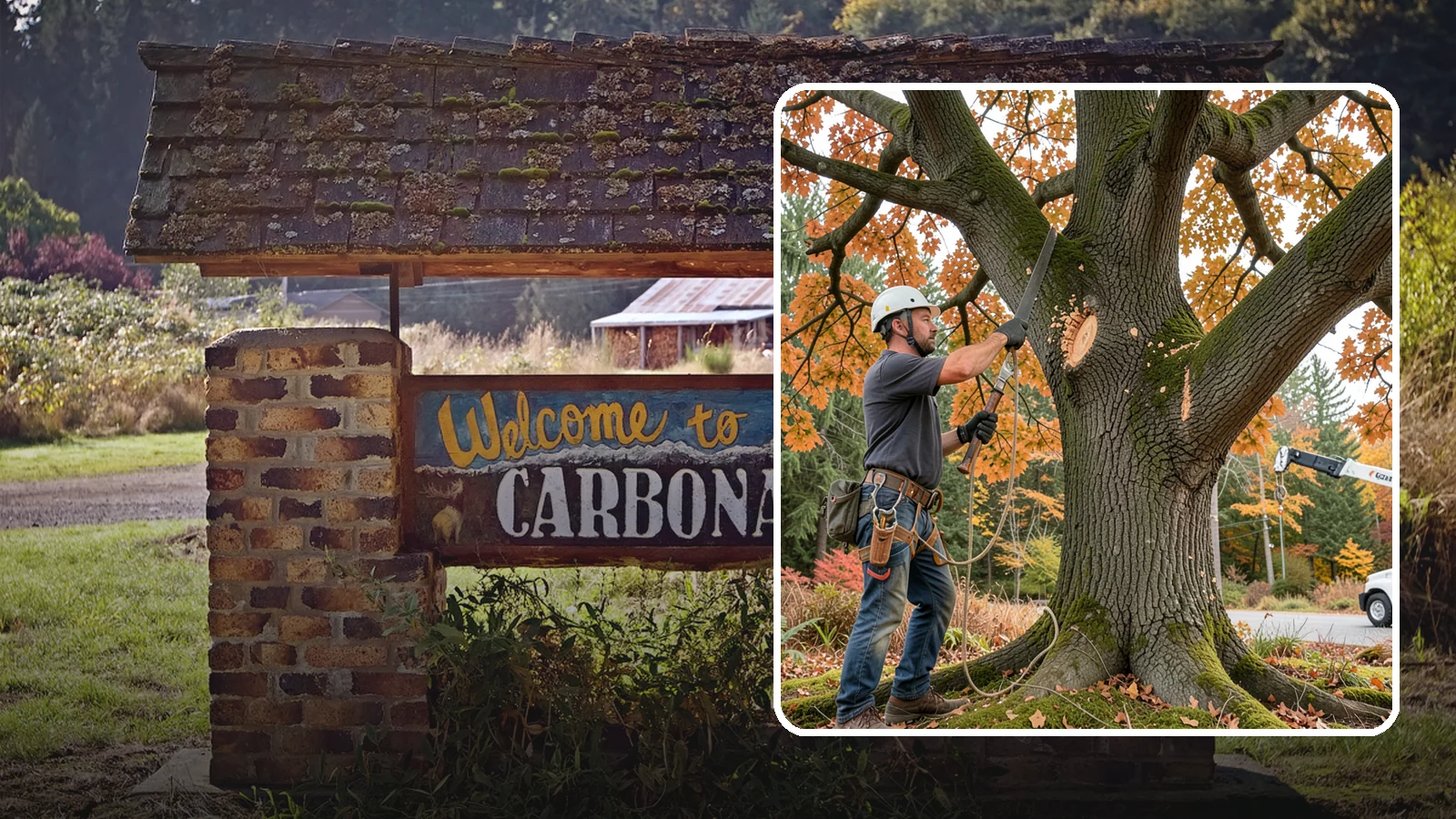
Carbonado Crown Reduction
The reduction of a crown’s height or spread using proper reduction cuts.
In Carbonado, the best window for crown reduction is usually the drier months, roughly May through September, when ground is firmer and cuts can be made in dry weather. Planning in late winter or early spring lets you book before that window opens.
A crown reduction shortens the longest branches back to suitable side branches, so the tree ends up smaller but keeps its natural shape. Here is how to plan one for a tree on your property.
About Crown Reduction in Carbonado
Crown reduction is a thoughtful tree care option designed to help you manage large trees safely while keeping them healthy. This service supports homeowners who want better clearance around their home or improved sightlines without removing the entire canopy. Our trained crews work with your specific trees to find solutions that fit your property needs.
What Carbonado Crown Reduction Includes
We perform crown reduction by making proper cuts to lower a tree’s height or spread, which helps manage size and reduce structural stress. This process is done carefully to preserve the long-term health of your tree while improving its structure and appearance. The goal is always to maintain natural growth patterns rather than simply cutting back branches indiscriminately.
Carbonado Crown Reduction Process
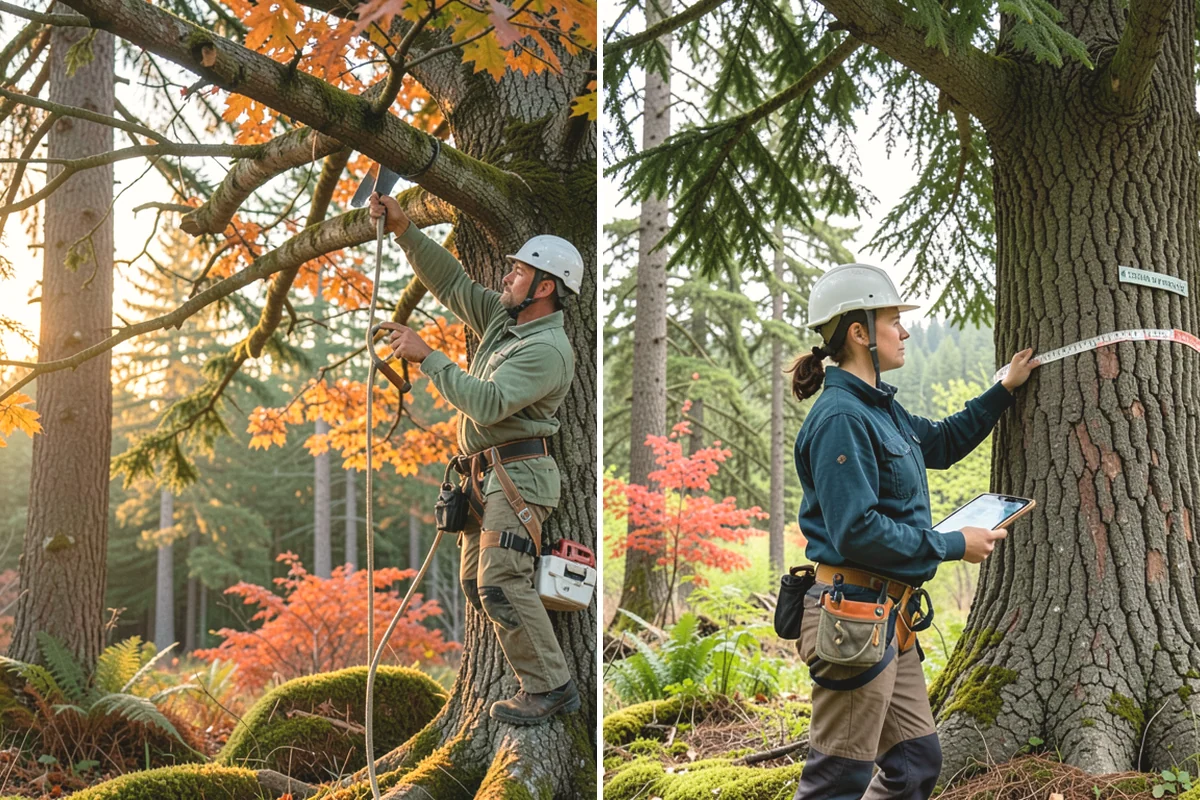
Our team starts by assessing the condition of your canopy and defining clear pruning objectives for each tree. We select specific cuts that match the species and current season, ensuring we do not over-prune or harm the wood. After making clean reductions at proper points, our crew lowers cut material safely and cleans up the work area completely.
Equipment We Use for Carbonado Crown Reduction
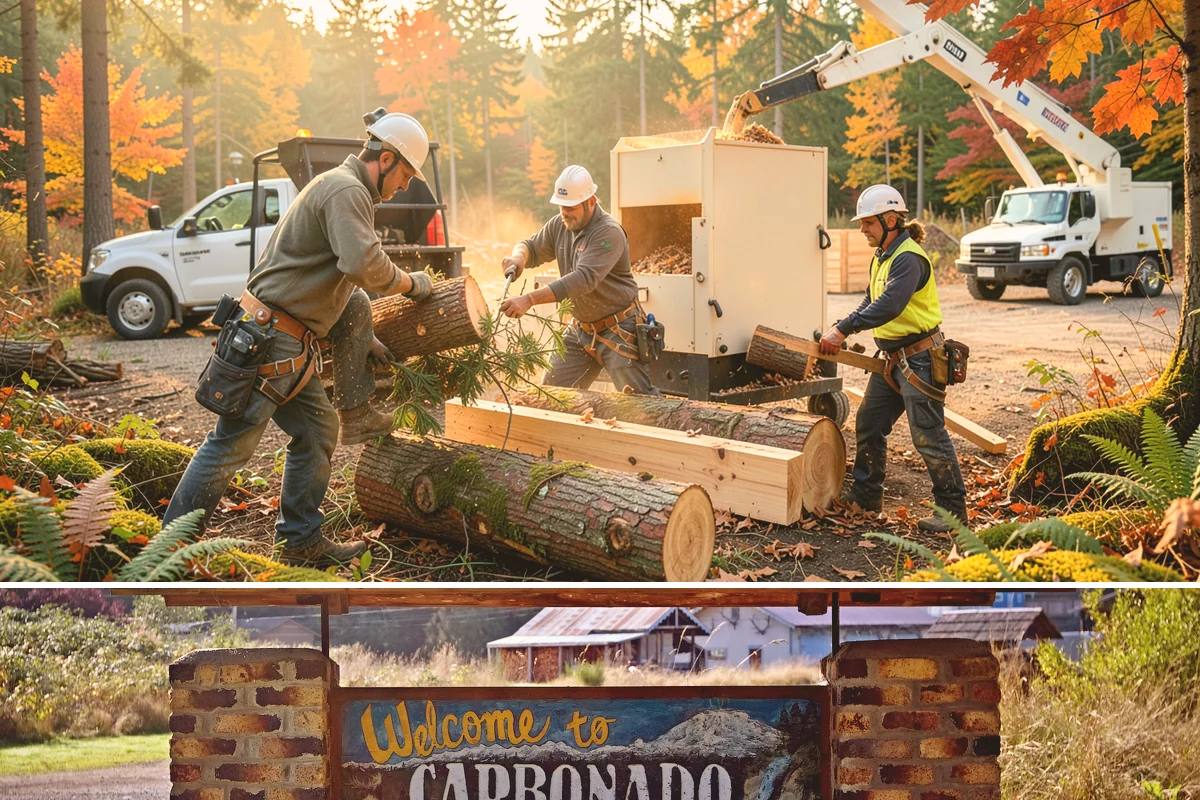
To complete this job effectively, crews use hand saws, pole saws, chainsaws, and climbing gear tailored to each site’s access needs. An aerial lift may be utilized when necessary to reach higher branches without compromising safety or tree stability. We also bring wood chippers for efficient debris processing and wear full personal protective equipment throughout the workday.
Carbonado Crown Reduction Safety & Best Practices
Safety is our priority, so we follow recognized pruning standards that avoid harmful cuts which can stress a living tree. Our technicians watch closely for overhead power lines and unstable limbs to prevent accidents during any part of the job. When working aloft, every crew member uses appropriate fall protection gear to ensure everyone stays secure on site.
Signs You Need Crown Reduction in Carbonado
You may need crown reduction if you notice deadwood, weak unions in your branches, or interference with nearby structures and utility lines. This service is also beneficial when a tree’s size creates clearance issues for vehicles or blocks important sightlines from windows and driveways. Addressing these signs early helps prevent branch failure and supports the overall vigor of your landscape trees.
What Affects the Cost of Crown Reduction in Carbonado
The investment for this work depends on factors like tree species, current canopy condition, and structural complexity that influence cut selection. More complex rigging requirements may also impact pricing based on how difficult it is to safely lower heavy branches from specific locations. We evaluate these variables carefully so you understand exactly what drives the cost before any job begins.
Best Time of Year for Carbonado Crown Reduction
The best time for crown reduction follows recognized arboricultural standards matched to the growing seasons of trees in our local Puget Sound climate. Scheduling work during appropriate windows ensures that cuts heal properly and minimizes stress on your specific tree species throughout the year. We plan projects around these natural cycles to support long-term health rather than rushing jobs into unsuitable weather or growth periods.
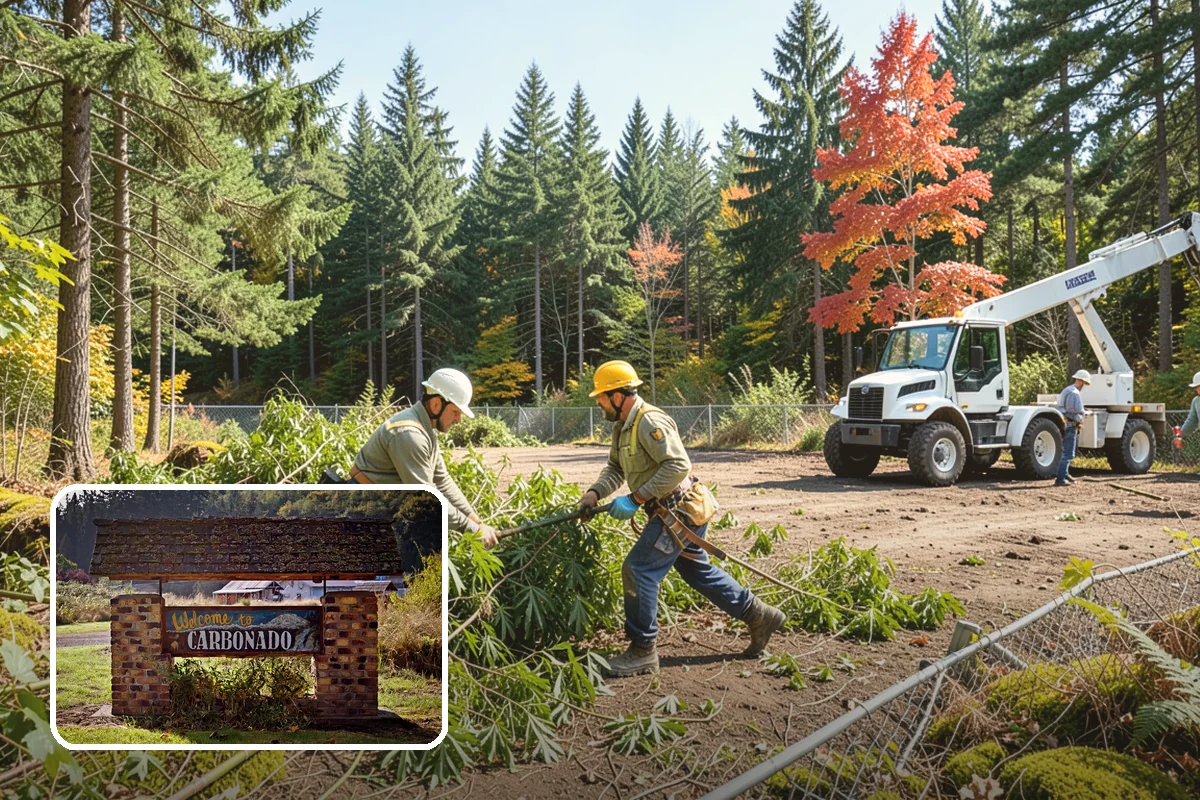
Planning a crown reduction in Carbonado
Start by deciding what you want the reduction to solve. Common reasons are branches over a roof, a crown that blocks light, or limbs reaching toward wires. Walk the property and note which branches concern you. Photos from the ground help when we talk through options.
Why timing matters here
Daymet climate data for 2005 to 2025 show that 79% of Carbonado's yearly rain and snow falls from October to April. Wet ground makes access harder, and a lot of that precipitation arrives when you would rather not have crews working under a tree. Scheduling for the drier months is a practical way to keep the work on track. It is a planning guide, not a guarantee for any given week.
What affects the scope
Species, size, and the tree's health decide how much can be taken off. Standard practice under ISA and ANSI A300 pruning guidelines is to remove limbs back to a side branch large enough to take over as the new end of that limb, rather than cutting at random points. Certified arborists do not top trees, a point made in The Myth of Tree Topping by Linda Chalker-Scott of the WSU Puyallup Research and Extension Center. A reduction is not the same thing, and we will not cut a crown back to stubs.
Wires matter too. Puget Sound Energy is the electric utility in Carbonado, and its rule for the service line, the wire from the PSE pole to your house or meter pole, is that PSE does not trim it. The homeowner or a private arborist does. If branches near that wire are part of your reason for calling, tell us early so we can plan around it.
On the day
We review the plan with you, mark which limbs are coming off, and then work from the outer crown inward. Cuttings are processed and debris is dealt with as agreed beforehand. Expect noise and some activity around the base of the tree.
One practical tip: before we arrive, move vehicles, patio furniture, and play equipment away from the tree, and tell us where the service line enters your house.
Carbonado tree conditions at a glance
| USDA hardiness zone | 8b |
|---|---|
| Rain and snow falling October to April | 79% of the year’s total |
| Tree canopy | Among the most heavily treed Puget Sound cities (satellite data) |
| Days that freeze at night and thaw by day | 45 a year |
| Electric utility | Puget Sound Energy (PSE) |
Trees near the power line to your house
Puget Sound Energy (PSE): Service line (wire from PSE pole to home or meter pole): PSE does not trim it; homeowner/private arborist trims.
PSE performs a safety disconnection so the homeowner or private tree trimmer/arborist can work; Call at least 5 business days ahead to check crew availability and potential charges.
Safety disconnect: 1-888-321-7779 (5+ business days ahead). Utility page.
Any fee for a disconnect is set by the utility.
Sources: Daymet daily weather (NASA/ORNL), NOAA Storm Events, USDA plant hardiness map 2023, NRCS soil survey, USGS elevation, WA DNR landslide inventory, USDA Forest Service aerial survey, WSDA, city tree assessments and street-tree inventories, SILVIS Lab, Arbor Day Foundation, and official city and utility pages.
Crown Reduction Serving Carbonado
Carbonado
Crown reduction in nearby areas
Also serving Carbonado
- Pear Tree Pruning in Carbonadoat Washington Landscaping
- Roof Maintenance Plan in Carbonadoat Washington Roofing
- Invasive Vegetation Removal in Carbonadoat Washington City Services