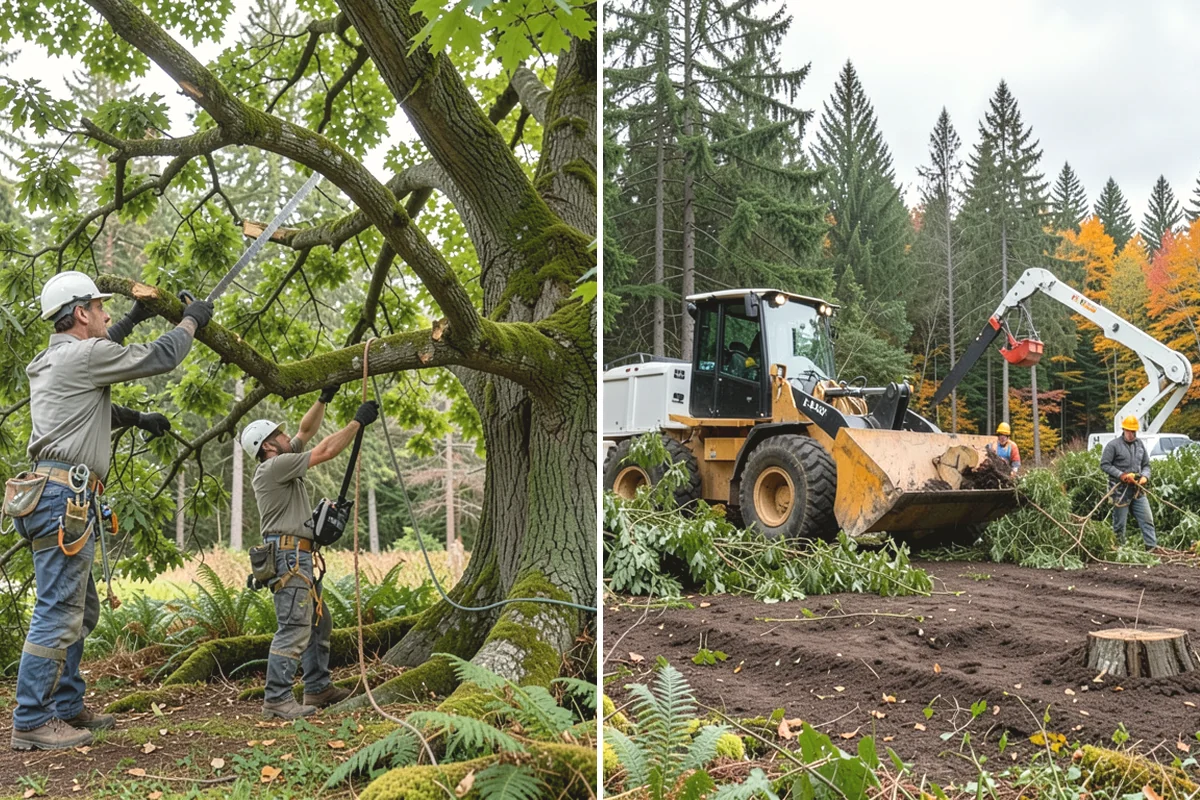
Where Safety Meets Expert Tree Service.

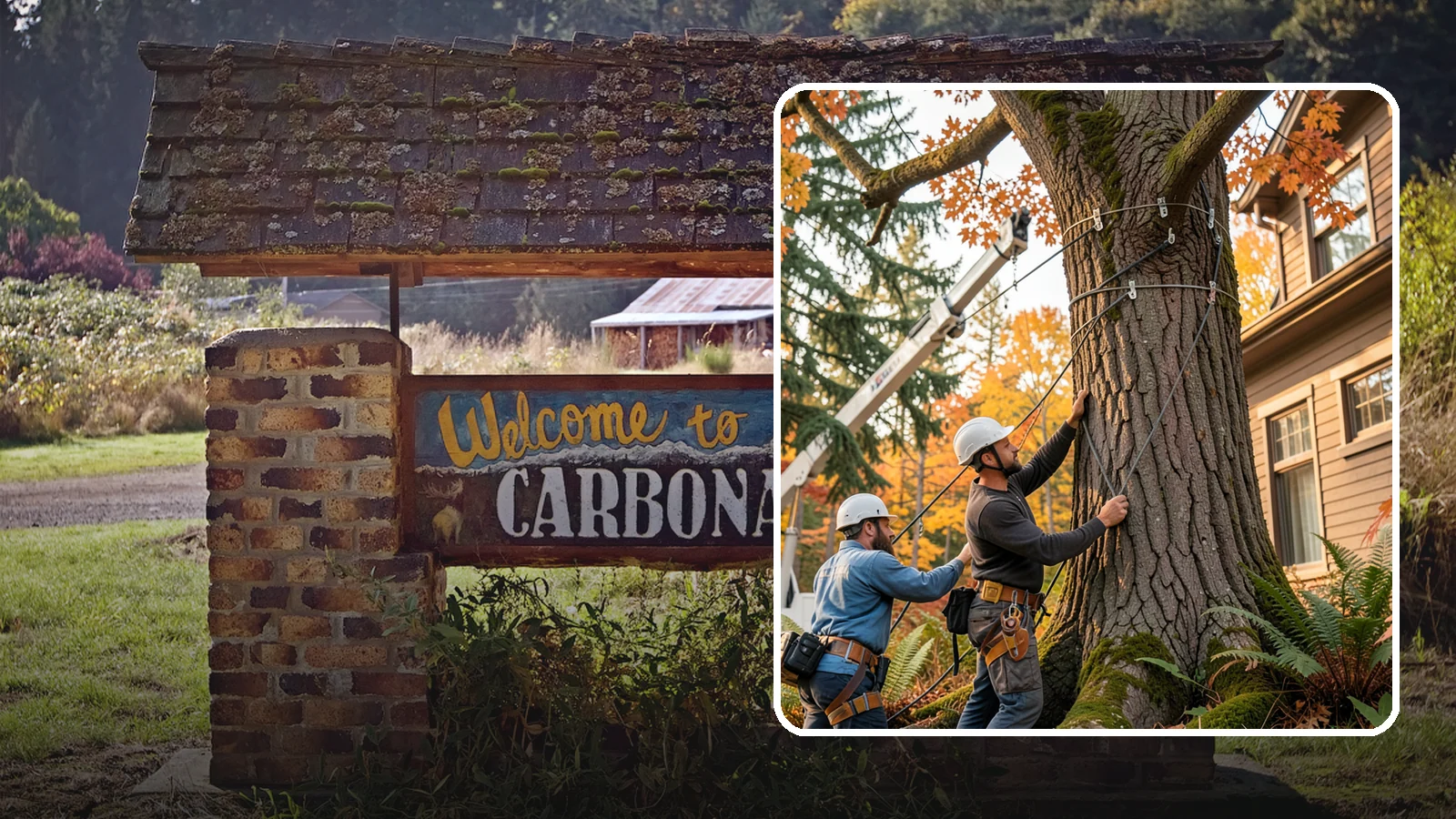
Carbonado Cable Inspections
The periodic inspection of installed support systems.
The best time to have cables checked is late summer or early fall, before the wetter, windier months arrive. In Carbonado, that window lets you find a worn or slipping cable while the ground is dry and the crown is fully leafed, so any strain is easier to see.
A cable inspection looks at the hardware that supports a tree with weak unions or heavy limbs. It is also worth doing after any big storm. Here is how to plan one, what changes the scope, and what the visit looks like.
About Cable Inspections in Carbonado
We offer periodic inspections of your installed tree support systems to ensure they remain sound and effective over time. This helpful check is designed for homeowners who want to confirm that their cabling continues to protect significant trees safely. Our trained crews follow recognized standards while matching our methods to the specific needs of each property.
What Carbonado Cable Inspections Includes
Cable inspections focus on confirming that hardware stays in good condition without interference from foliage or other obstacles. We assess structural defects and load paths to verify that weak unions, heavy limbs, and aging systems are still functioning correctly. This service helps preserve valued trees by supporting them where they need the most stability during storms or high winds.
Carbonado Cable Inspections Process
Our team begins by evaluating your tree’s unique species and site conditions before selecting an appropriate support system for review. We carefully inspect installed hardware to ensure it is positioned at correct locations and remains free from damage over time. After documenting our findings, we will set a clear inspection schedule so you know when the next check should occur.
Equipment We Use for Carbonado Cable Inspections
To perform these inspections safely and accurately, we utilize climbing gear, rigging tools, and aerial lifts as needed for access to high branches. We also bring correctly rated hardware for any necessary adjustments or replacements during the evaluation process. All crew members wear personal protective equipment while working around your trees with care.
Carbonado Cable Inspections Safety & Best Practices
Our crews install support only where it is truly appropriate and effective for preventing limb or stem failure. During every inspection, we use properly rated materials to recognize when removal might be a safer option than keeping old hardware in place. We prioritize the long-term health of your tree by ensuring all systems meet recognized arboricultural standards before leaving the site.
Signs You Need Cable Inspections in Carbonado
You may need this service if you notice cracks and cavities, overextended limbs, or included-bark unions that require monitoring for structural integrity. Aging hardware often shows signs of wear that a professional inspection can identify early to prevent unexpected failures later on. This check is especially important when dealing with codominant stems that have previously required support systems.
What Affects the Cost of Cable Inspections in Carbonado
The price varies based on the specific tree species and how difficult it is to access different parts of your property for assessment. Factors like complex structural defects in weak unions or heavy limbs will also influence the overall cost of the inspection work. Site conditions play a major role, as working around obstacles can require additional time and specialized approaches from our crew.
Best Time of Year for Carbonado Cable Inspections
Inspections are best performed during dormant seasons when leafless branches allow for clear visibility of hardware integrity without interference from foliage. Waiting until trees have lost their leaves ensures we can see every bolt, cable, or brace clearly to confirm it remains effective over time. This timing helps us provide the most accurate assessment possible before new growth returns in spring.
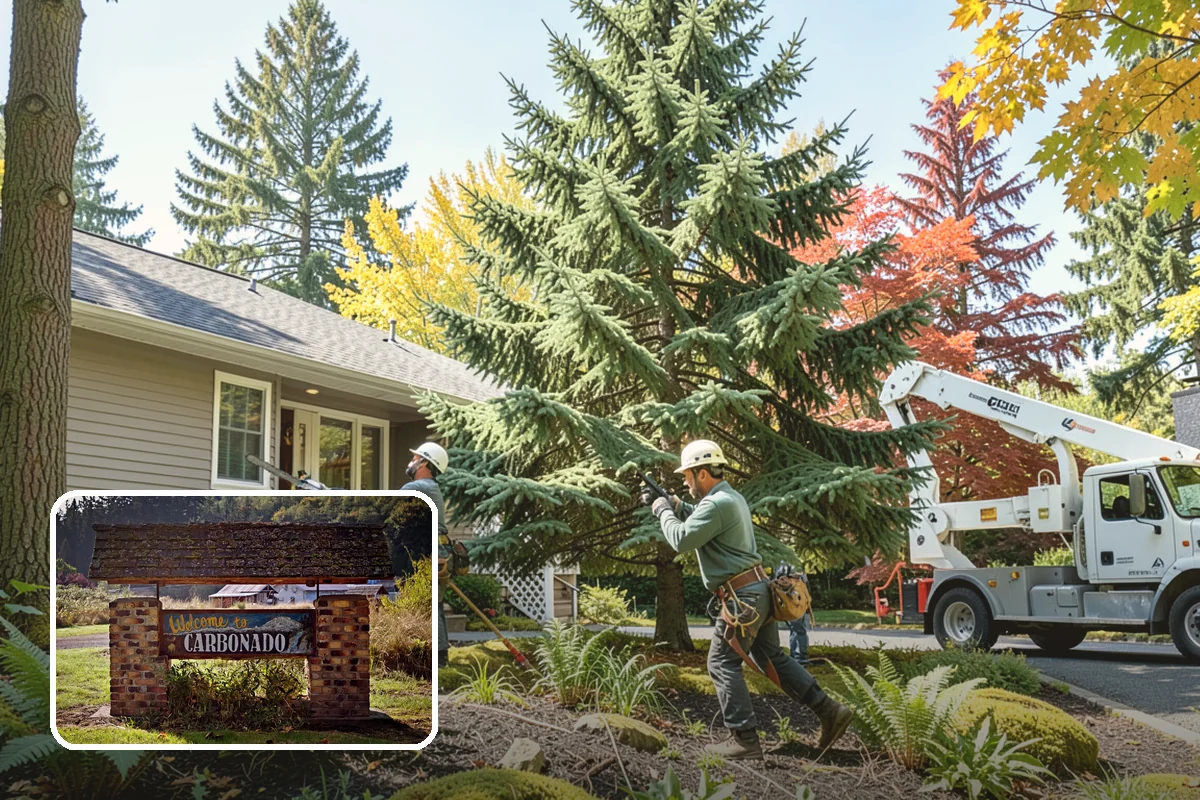
Planning a cable inspection in Carbonado
Cables and braces are installed to limit movement in codominant stems or long limbs. They do not stay good forever. As the tree grows, hardware can end up too tight, too loose, or buried in expanding wood. An inspection checks for these changes. It is a separate task from pruning, though the two are often done together.
Why wind and ice history matters
National weather records for the forecast zone that includes Carbonado show 40 high and strong wind episodes between 2005 and 2025. The same records show 3 ice storm episodes in that period. These are zone-wide figures, not counts for any one yard. They still tell you something useful: a supported tree here may be loaded by wind many times over its life, and ice adds weight to limbs that already carry a cable. That is a good reason to check hardware on a schedule instead of waiting for damage.
What affects scope
The scope depends on how many trees have cables, how tall they are, and whether the hardware can be reached safely. Older systems may need a closer look at anchors, wear at the cable and signs of decay near the attachment points. The tree's species and condition also matter. If an inspection shows cracks, decay or a failing union, the answer may be more than adjusting a cable. Carbonado sits in USDA hardiness zone 8b (USDA map, 2023), so a wide range of species grow here, and each has its own structural habits.
What to expect on the day
An ISA Certified Arborist looks over the tree from the ground first, then checks the cables, anchors and the wood around them, usually from within the crown. We note anything worn, loose or embedded and explain what we found. Any follow-up work is discussed before it begins. If a tree is protected or near a boundary, we check with the city before work starts.
Practical tip: take a few dated photos of each cabled tree every year, from the same spot. Changes in the crown or the hardware are easier to spot when you have something to compare.
Carbonado tree conditions at a glance
| High and strong wind episodes, 2005-2025 | 40 in the forecast zone |
|---|---|
| Ice storm episodes, 2005-2025 | 3 in the forecast zone |
| Average snowfall | 6.9 in a season (approximate) |
| Soils | 0% of land has hardpan or another restrictive layer within 40 in; most common series Barneston; 100% well drained |
| Slopes | Some steep slopes |
Strongest wind events near Carbonado
- Dec 17, 2010: gusts to 72 mph
- Feb 1, 2017: gusts to 70 mph
- Feb 7, 2012: gusts to 70 mph
NOAA Storm Events, forecast zone that includes Carbonado, 2005-2025.
Sources: Daymet daily weather (NASA/ORNL), NOAA Storm Events, USDA plant hardiness map 2023, NRCS soil survey, USGS elevation, WA DNR landslide inventory, USDA Forest Service aerial survey, WSDA, city tree assessments and street-tree inventories, SILVIS Lab, Arbor Day Foundation, and official city and utility pages.
Cable Inspections Serving Carbonado
Carbonado