Where Safety Meets Expert Tree Service.

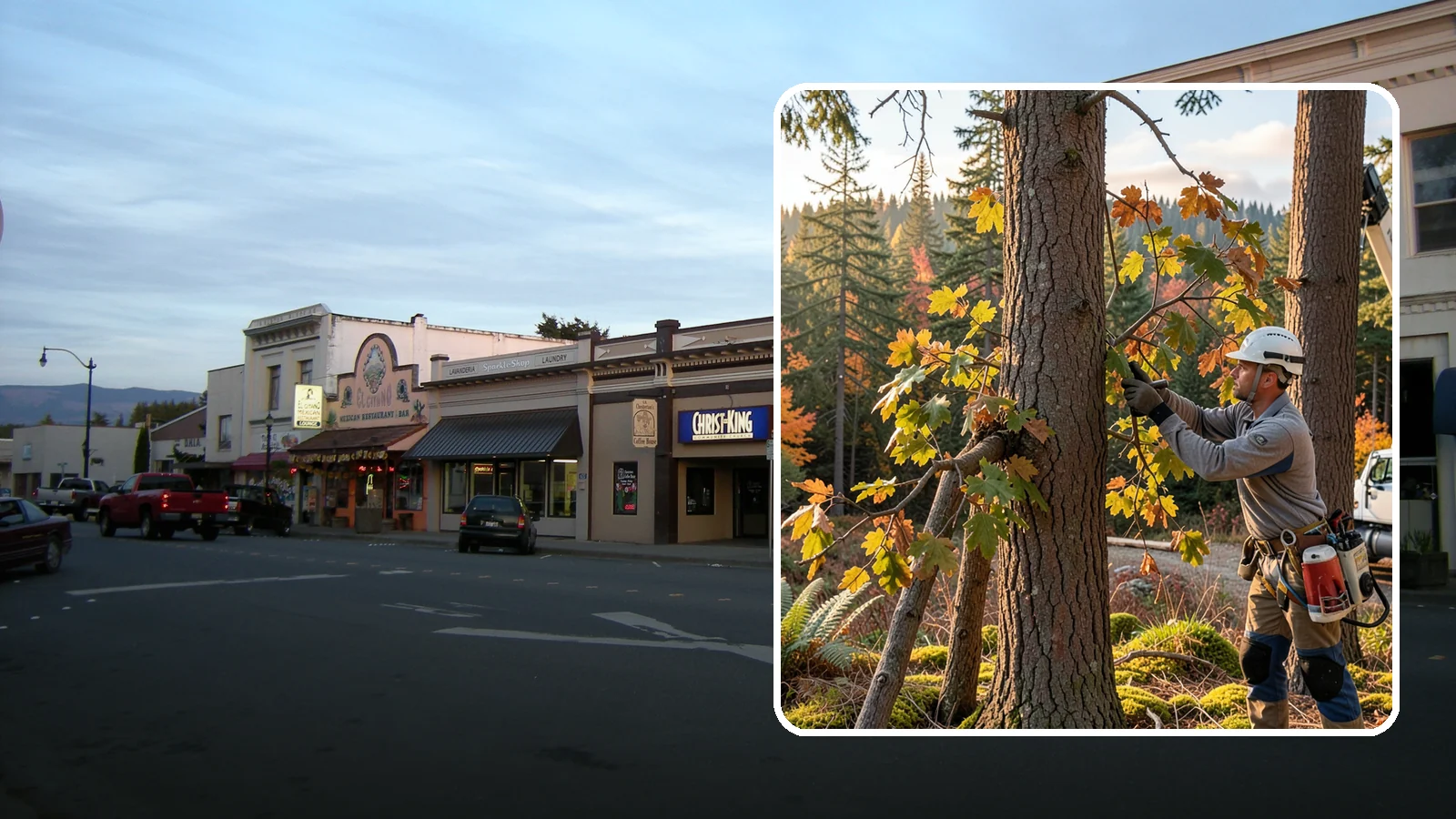
Burlington Tree Disease Management
The identification and management of diseases affecting trees.
About Tree Disease Management in Burlington
Our Tree Disease Management service helps protect your valued trees from illness before problems get worse. We work closely with homeowners who want to maintain long-term health and stability for their landscape. This care is designed to catch issues early while supporting the overall condition of your soil and roots.
What Burlington Tree Disease Management Includes
This tree health care service focuses on identifying and managing diseases that affect specific trees in your yard. Our trained crews use methods matched to each tree species, site conditions, and access points to slow or control disease spread. The goal is to protect nearby healthy plants while improving the environment where these roots grow.
Burlington Tree Disease Management Process
We begin by inspecting the tree and its surrounding area to identify contributing factors like soil quality or pests. After pinpointing the issue, we recommend and apply appropriate treatments tailored to your specific situation. Finally, we document our findings and provide a plan for follow-up care to ensure continued success.
Equipment We Use for Burlington Tree Disease Management
To diagnose issues accurately, crews utilize diagnostic tools along with specialized probes and sampling kits. We also bring injection or application equipment needed to deliver treatments safely into the tree structure. When necessary, air excavation tools are used carefully while wearing full personal protective gear.
Burlington Tree Disease Management Safety & Best Practices
Our team strictly follows label guidelines for any products applied to ensure they do not harm surrounding plantings. Every effort is made to avoid damage to roots and trunks during our work on your property. We also document all conditions accurately so you understand exactly what was done and why.
Signs You Need Tree Disease Management in Burlington
You may need this service if you notice decline caused by past construction, grade changes, or compacted soil near the tree base. Other indicators include girdling roots that restrict growth or visible pests attacking branches and leaves. If a disease is spreading to nearby trees, immediate management can help stop it from escalating quickly.
What Affects the Cost of Tree Disease Management in Burlington
The price for this service depends on factors such as the size of your trees and how difficult they are to reach. Soil compaction issues and the complexity required to apply treatments matched to specific species also influence the final cost. These variables ensure we provide a fair estimate based on the actual work needed at each site.
Best Time of Year for Burlington Tree Disease Management
Because our area has a mild Puget Sound climate, this service can be performed year-round whenever active disease symptoms appear. We do not rely on a fixed seasonal window but instead focus on identifying when treatment is most effective for your specific tree. Timing decisions are made based on the urgency of controlling the problem rather than waiting for a particular season.
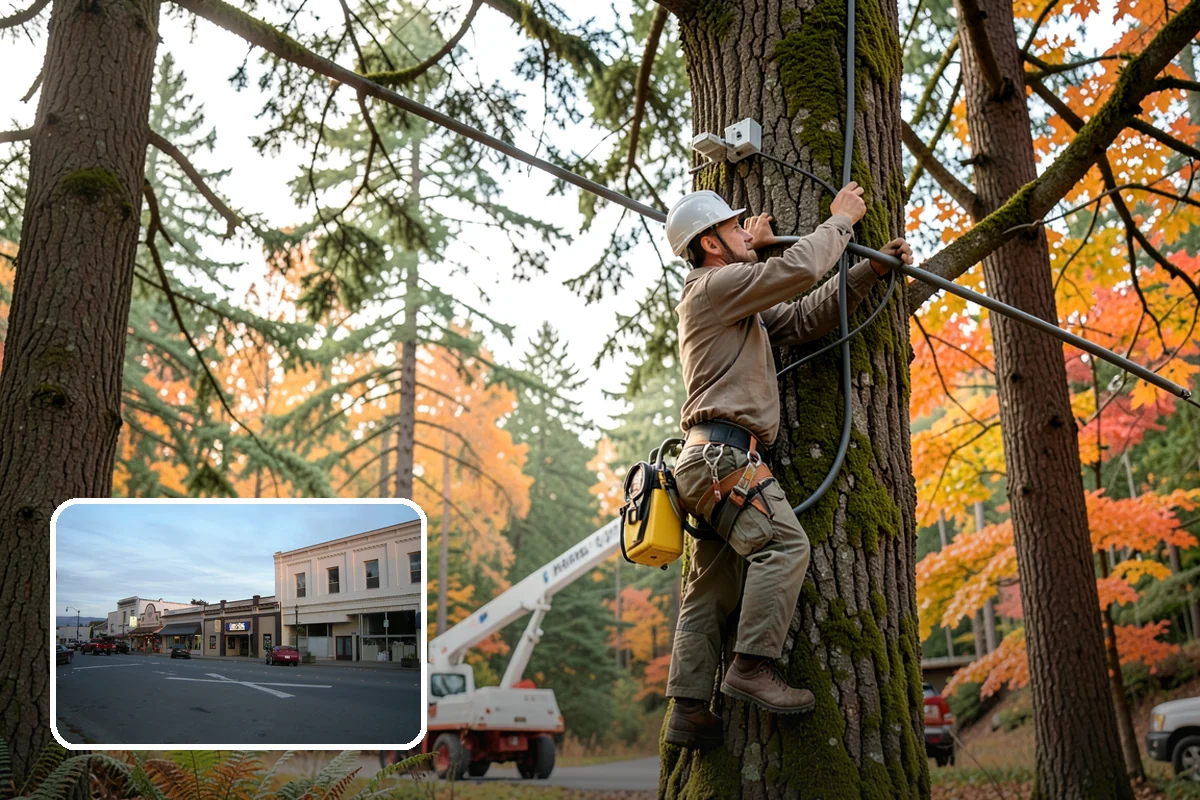
Tree Disease Management Serving Burlington
Burlington
A city in the Skagit River valley known as a regional retail center.
Growing Conditions in Burlington
Permits & Local Notes for Burlington

Tree Disease Management in nearby areas
Also serving Burlington
- Plant Health Care in Burlingtonat Washington Landscaping
- Landscape Inspections in Burlingtonat Washington City Services