Where Safety Meets Expert Tree Service.

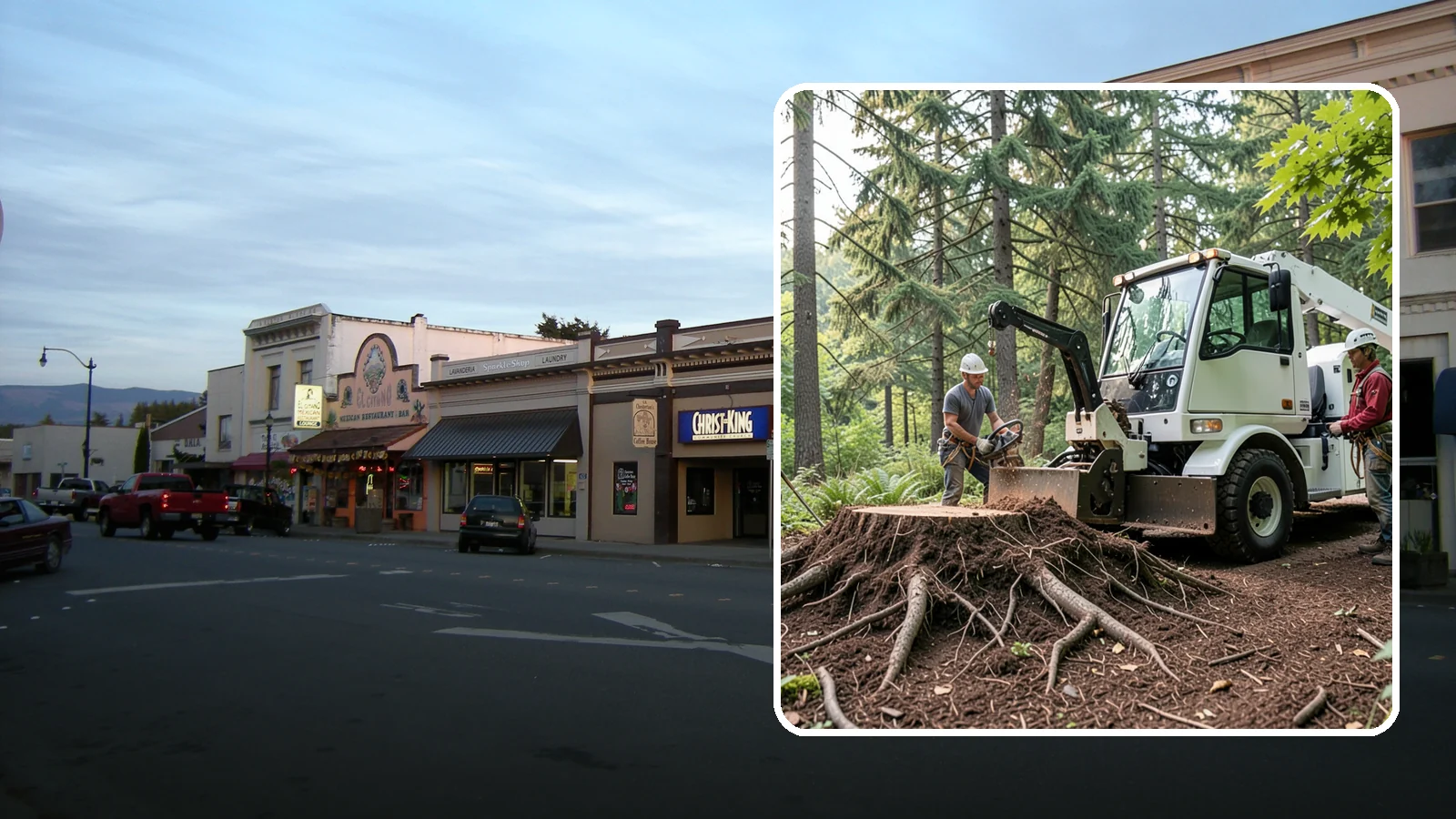
Burlington Surface Root Grinding
The grinding of exposed surface roots.
In Burlington, the NRCS soil survey shows only 4% of the land has a hard or restrictive layer, such as glacial hardpan, within 40 inches of the surface. For most sites, that means roots are less likely to be boxed in by a hard layer and can spread where they find room. Surface roots that lift lawn, walkways or mower decks are worth a close look.
Surface root grinding removes the exposed top of a root so the ground can be level again. Start by marking the roots that cause trouble, and note which tree they belong to. That tells us whether grinding is enough or whether the tree needs a different plan.
About Surface Root Grinding in Burlington
Surface root grinding is a helpful solution for homeowners dealing with exposed tree roots that create tripping hazards or block usable ground space. Our trained crews work carefully to remove these obstructions while respecting the unique conditions of your property. This service helps you reclaim safe, functional areas around your landscape without needing invasive excavation.
What Burlington Surface Root Grinding Includes
This category focuses specifically on grinding away surface roots that are visible above the soil line rather than digging up entire stumps underground. We match our methods to your specific tree species and site layout to ensure effective removal of root systems near walkways or play areas. The goal is to clear out debris while preparing the area for future planting or general use.
Burlington Surface Root Grinding Process
Before any work begins, we locate and mark all nearby utilities to keep everyone safe during the project. We then clear a workspace around the stump and proceed with grinding or extracting it along with the surface roots extending from it. Once removed, we process the grindings into mulch and backfill the area as needed to restore proper grading for your lawn.
Equipment We Use for Burlington Surface Root Grinding
Our teams utilize specialized stump grinders designed to handle various root sizes while minimizing damage to surrounding turf. We also bring excavation tools, wheelbarrows, rakes, and utility locating support equipment to manage soil conditions effectively. All crew members wear necessary personal protective gear, including eye protection and hearing safety devices during operation.
Burlington Surface Root Grinding Safety & Best Practices
Safety is our priority, so we always confirm that underground utilities are marked before starting any grinding work near your home or garden. We keep bystanders clear of the area while equipment runs to prevent injury from ejected debris flying outward. Crews also stay alert for buried obstructions like rocks and adjust their approach if access around a stump feels limited.
Signs You Need Surface Root Grinding in Burlington
You likely need this service when you notice exposed roots causing people to trip or creating uneven surfaces in your yard. If pests are attracted to the wood left behind or if new shoots keep growing from old root systems, grinding can help stop that cycle. This work is also useful whenever you want to prepare a specific spot for replanting without disturbing deep underground structures.
What Affects the Cost of Surface Root Grinding in Burlington
The final price depends on factors such as the size of the stump and how extensive the surface roots are in your soil. Conditions like rocks or debris mixed into the ground can influence the time required, while limited access for our equipment may also adjust costs. We consider utility locating requirements and proper disposal methods when determining a fair estimate for your specific situation.
Best Time of Year for Burlington Surface Root Grinding
In Washington’s Puget Sound climate, this work can generally be performed throughout all seasons of the year with minimal interruption to your schedule. However, we will make scheduling adjustments if frozen ground makes grinding difficult or if heavy rain limits our ability to excavate safely. Planning ahead during dry periods often ensures smoother progress and better results for reclaiming your outdoor space.
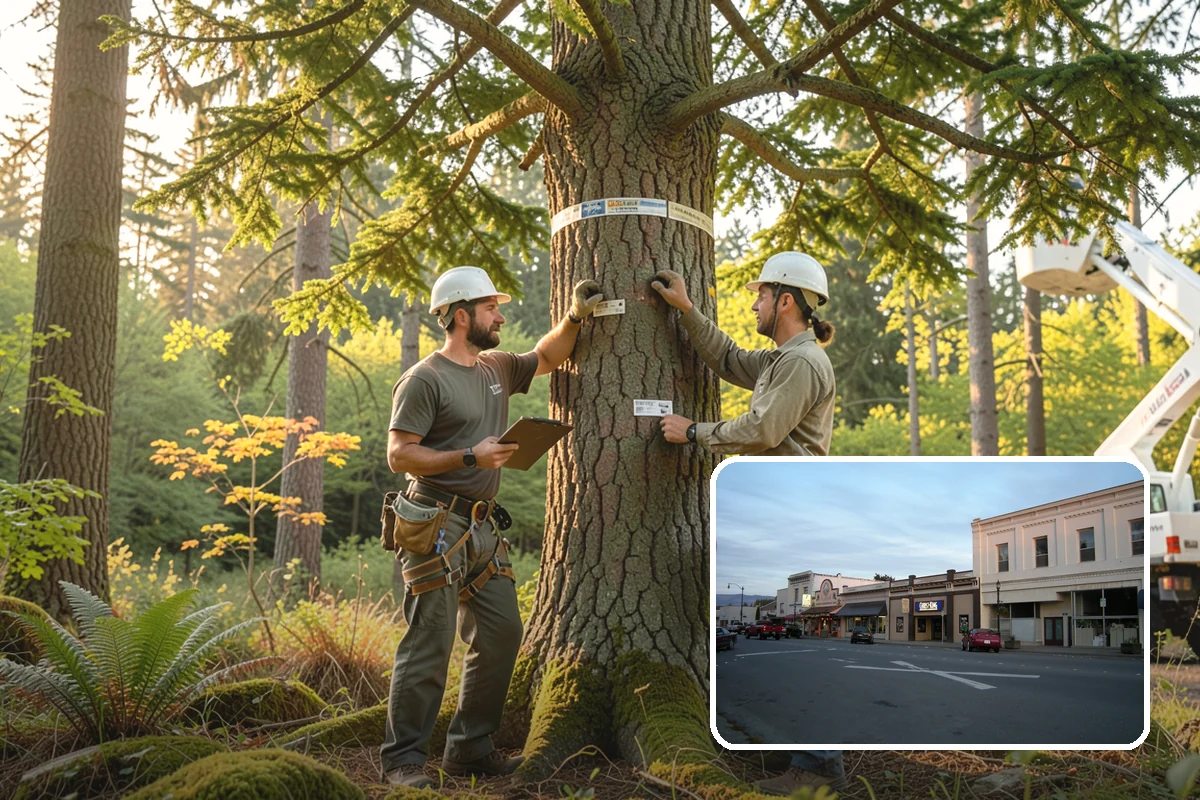
Surface root grinding in Burlington: steps and decisions
Surface root grinding uses a stump grinder to shave exposed roots down below the soil line. It is not the same as removing a tree, and it does not fix the cause of the roots rising. Here is how the work usually goes.
The basic steps
- Walk the site and mark each root to be ground, along with buried lines, sprinkler heads and edges you want protected.
- Decide how much of each root to take. Large structural roots close to the trunk matter to the tree's stability, so we limit cuts there.
- Grind the exposed section in thin passes, then clear the chips.
- Fill with topsoil and reseed or lay sod, or pave over the area if that is the plan.
Why the tree comes first
Cutting a root wounds the tree. Standard practice, in line with ISA guidance, is to avoid removing large roots near the trunk and to keep total root loss small. If a tree has several big roots lifting a path, grinding all of them may harm it. In that case, rerouting the path or building up soil gently may be a better choice. An ISA Certified Arborist on our staff can look at this with you during a free estimate.
What local details tell you
The NRCS survey lists Field as the most common soil series in Burlington. Soil survey data describes broad areas and not your lot, so treat it as a general hint. Because only 4% of the land has a restrictive layer within 40 inches, roots on many lots can run wide and shallow near the surface without hitting a barrier. That is one reason to check the whole root zone, not just the one spot that bothers you.
Burlington is in USDA hardiness zone 8b, according to the 2023 USDA map. That matters for timing only in a general sense: it describes winter cold, not soil moisture. Regrowth and lawn repair work best when you plan seeding for a time the grass can establish.
About half of the city's homes are single-family detached houses, per the Census ACS 2020-2024. Many of those lots have a tree close to a driveway, walk or foundation, so mention any of those when you call. If a tree rule might apply to your work, we check with the city before we start.
Burlington tree conditions at a glance
| Soils | 4% of land has hardpan or another restrictive layer within 40 in; most common series Field |
|---|---|
| Rain and snow falling October to April | 78% of the year’s total |
| Days that freeze at night and thaw by day | 35 a year |
Tree removal rules in Burlington
Significant trees may not be removed without prior authorization from the department, BUT the significant-tree rules do not apply to trees within the boundaries of an existing landscaped yard associated with an individual dwelling (except redevelopment projects), nor to construction of a single detached dwelling, duplex or small multiunit building or land divisions of four lots or less. So ordinary removal in an existing single-family yard needs no tree approval outside critical areas.
Regulated size: 6 inches DBH (multi-stem: any stem at least 4 in. measured 6 in. from the trunk joint).
Official city source. Rules change; we confirm with the city before work starts.
Sources: Daymet daily weather (NASA/ORNL), NOAA Storm Events, USDA plant hardiness map 2023, NRCS soil survey, USGS elevation, WA DNR landslide inventory, USDA Forest Service aerial survey, WSDA, city tree assessments and street-tree inventories, SILVIS Lab, Arbor Day Foundation, and official city and utility pages.
Surface Root Grinding Serving Burlington
Burlington
Surface root grinding in nearby areas
Also serving Burlington
- Sod Repair in Burlingtonat Washington Landscaping
- Tree Planting in Burlingtonat Washington City Services