Where Safety Meets Expert Tree Service.

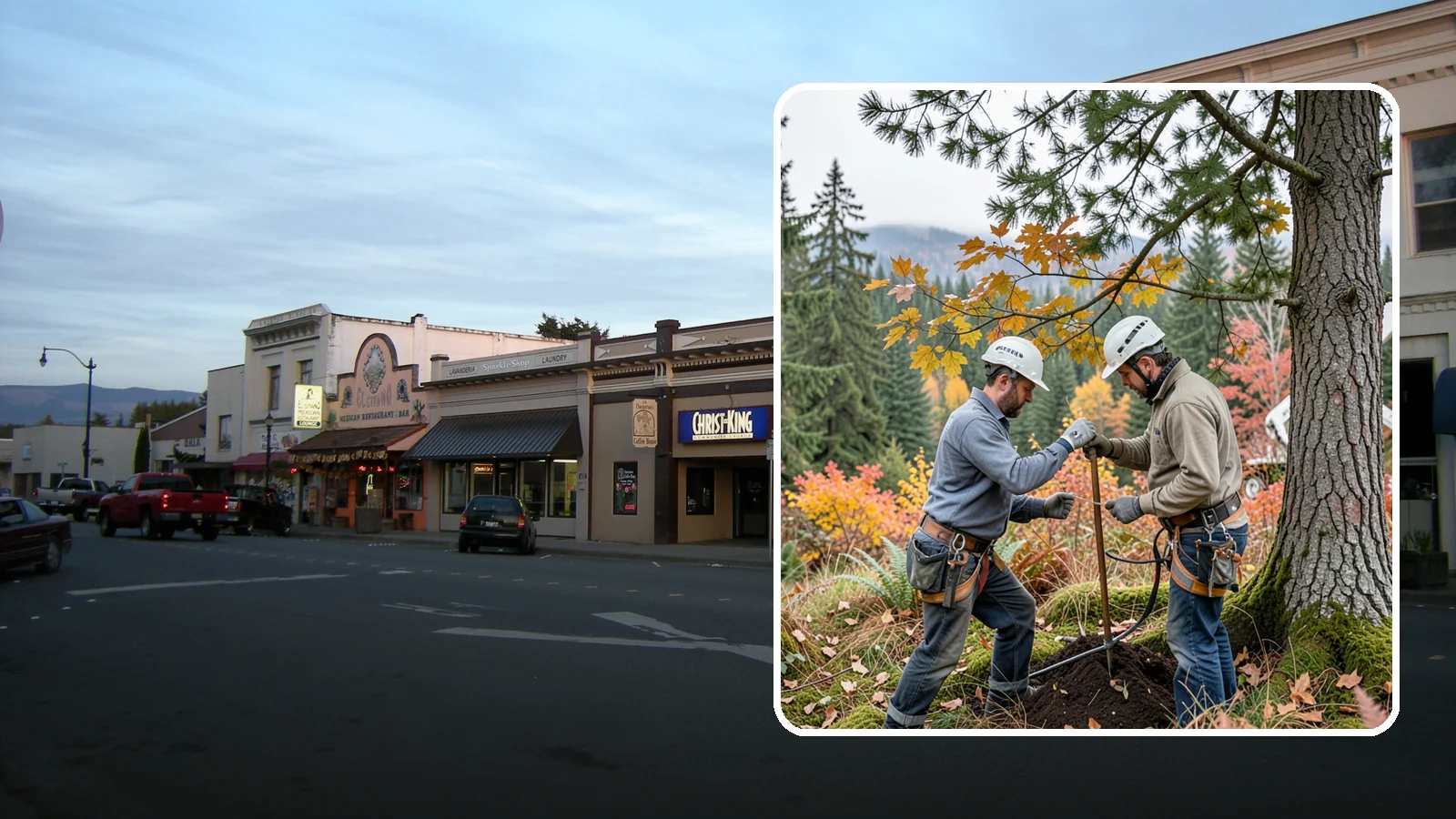
Burlington Soil Testing
The analysis of soil conditions around a tree.
A tree that looks tired for no clear reason is often telling you something about the ground. Yellowing leaves, thin growth, brown tips on a cedar, or a new planting that stalls in its second year can all start below the surface.
A soil test gives you numbers to work with instead of guesses. It can show pH, nutrient levels and organic matter, and it can guide whether a tree needs amendment, different watering, or nothing at all. Here is what the testing covers and how Burlington conditions shape it.
About Soil Testing in Burlington
Soil testing helps you understand what is happening beneath your trees’ roots so they can thrive in our local climate. This simple analysis guides smart decisions about fertilization, soil amendments, and drainage to keep your landscape healthy for years. It supports long-term stability by catching potential issues before they grow into bigger problems.
What Burlington Soil Testing Includes
Our trained crews perform a detailed look at the conditions surrounding each tree using recognized arboricultural standards. We match our methods specifically to the species of your trees, the site where they stand, and how easy it is for us to reach them. The goal is always to improve root health and extend the useful life of these valued assets in your yard.
Burlington Soil Testing Process
Work begins with a careful inspection of both the tree and its immediate site to spot any contributing factors like poor soil or past construction issues. We then recommend and apply treatments that address pests, disease, or drainage needs based on our findings. Finally, we document everything clearly so you have a record for future follow-up care and maintenance plans.
Equipment We Use for Burlington Soil Testing
To get accurate results, we use specialized diagnostic tools along with soil probes and sampling kits to gather the right information. Depending on what is needed at your specific site, air excavation tools or injection equipment may be brought in carefully. We also wear personal protective gear throughout the job to ensure everyone stays safe while working around your property.
Burlington Soil Testing Safety & Best Practices
Our team always follows label guidelines for any products used and takes steps to protect existing soil and nearby plantings from damage. During sampling, we take great care to avoid hurting roots or trunks so that our work does not harm the very trees it aims to help. We also make sure all conditions are documented accurately before leaving your site after completing the necessary tasks.
Signs You Need Soil Testing in Burlington
You might need this service if you notice signs of decline caused by compacted soil, girdling roots, or changes in ground grade from old construction. It is especially useful when pests and disease appear to be affecting multiple trees on a property at once. If your drainage seems poor or fertilizer efforts have not improved the landscape, testing can clarify what adjustments are actually needed.
What Affects the Cost of Soil Testing in Burlington
The price for this service depends largely on the specific species of tree you have planted in your yard. Site conditions such as difficult access or steep slopes will also determine which diagnostic tools and sampling methods our crew must use. These factors combine to set a cost that reflects the unique needs of each individual job without any hidden fees.
Best Time of Year for Burlington Soil Testing
In Washington’s Puget Sound climate, soil testing can generally be done at any time during the year for most properties. However, we may need to adjust our approach slightly or wait for drier conditions if heavy rain makes sample collection difficult. When wet seasons require extra care, we might use air excavation tools gently to ensure we get clean samples without damaging roots.
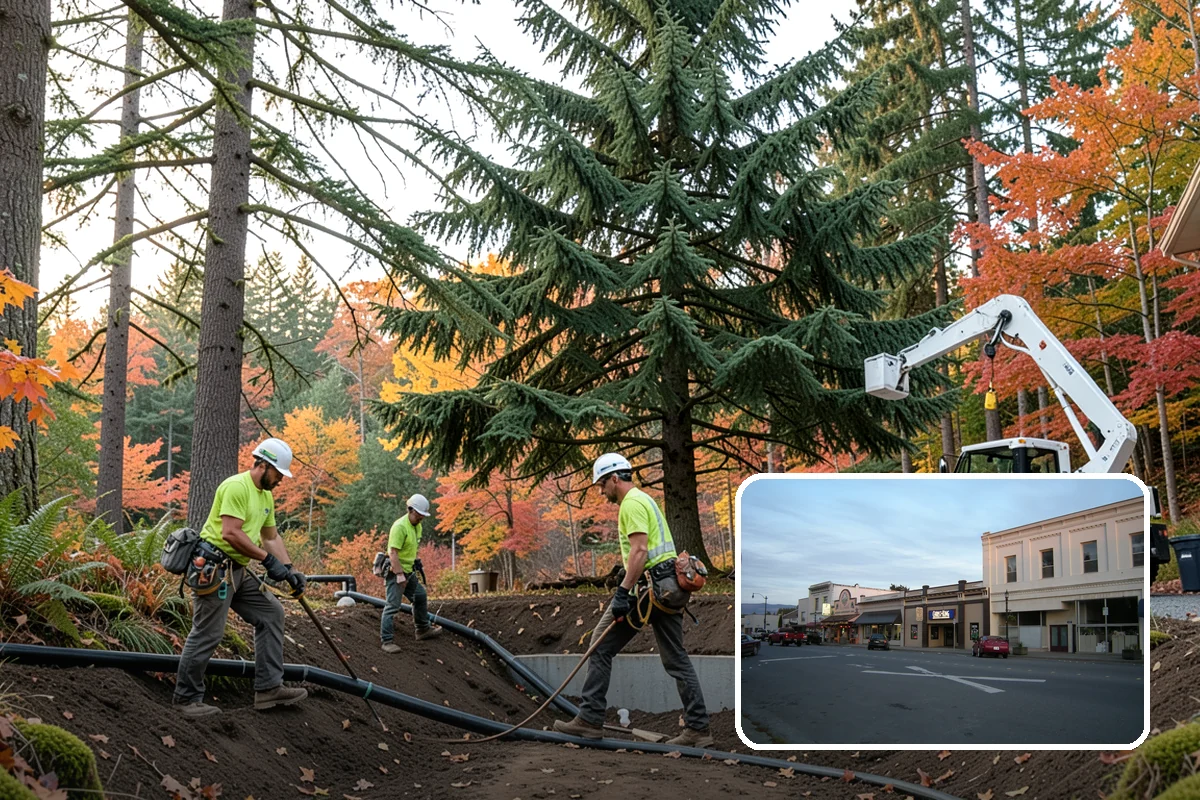
How soil testing works for Burlington yards and trees
Tree symptoms overlap. Yellow foliage can come from low nutrients, poor drainage, compacted ground, root damage or plain drought stress. A soil test narrows the list. We take several small samples from the root zone, usually from the top several inches where most fine roots grow, and send them to a lab. Samples from different parts of the yard are kept separate when the soil or the trees differ.
Local conditions help decide what to look for. The NRCS soil survey lists Field as the most common soil series in Burlington. It also shows that about 4% of the land has a hard or restrictive layer, such as glacial hardpan, within 40 inches of the surface. That is a small share, so it does not describe every yard. But where such a layer exists, water can sit above it and roots may stay shallow. If a tree is struggling and the ground stays soggy, we dig a test hole to check how deep the soil drains before we read the lab results.
Rain timing matters too. Daymet data for 2005 to 2025 shows 78% of Burlington's yearly rain and snow falls from October to April. Soil can be saturated in winter and dry in late summer. A single test shows nutrients, but it will not show that swing, so we also note how the site holds water through the year. Western redcedar and other cedars may need extra irrigation during summer drought to reduce flagging, according to WSU HortSense. If a cedar has brown, dying branch tips, the fix may be deeper watering rather than fertilizer.
Once results arrive, we explain them in plain terms. Often the answer is mulch, a change in watering, or correcting pH. Fertilizer is only recommended when the test supports it. Adding nutrients to soil that does not need them can waste money and stress roots. Call or text 425-484-4442 to ask about a free estimate.
Burlington tree conditions at a glance
| USDA hardiness zone | 8b |
|---|---|
| Soils | 4% of land has hardpan or another restrictive layer within 40 in; most common series Field |
| Rain and snow falling October to April | 78% of the year’s total |
| Days with 0.1 in or more of rain | 107 a year |
| Days that freeze at night and thaw by day | 35 a year |
Tree health near Burlington
- Decline, cause not identified3,555 ac
- Western tent caterpillar433 ac
- Bears244 ac
Forest damage mapped from the air within 10 km of Burlington, 2021-2025 (USDA Forest Service and WA DNR). This covers forest land, not street or yard trees. “Decline, cause not identified” is dieback with no single cause found.
Sources: Daymet daily weather (NASA/ORNL), NOAA Storm Events, USDA plant hardiness map 2023, NRCS soil survey, USGS elevation, WA DNR landslide inventory, USDA Forest Service aerial survey, WSDA, city tree assessments and street-tree inventories, SILVIS Lab, Arbor Day Foundation, and official city and utility pages.
Soil Testing Serving Burlington
Burlington
Soil testing in nearby areas
Also serving Burlington
- Garden Bed Maintenance in Burlingtonat Washington Landscaping
- Soil Amendments in Burlingtonat Washington City Services