Where Safety Meets Expert Tree Service.

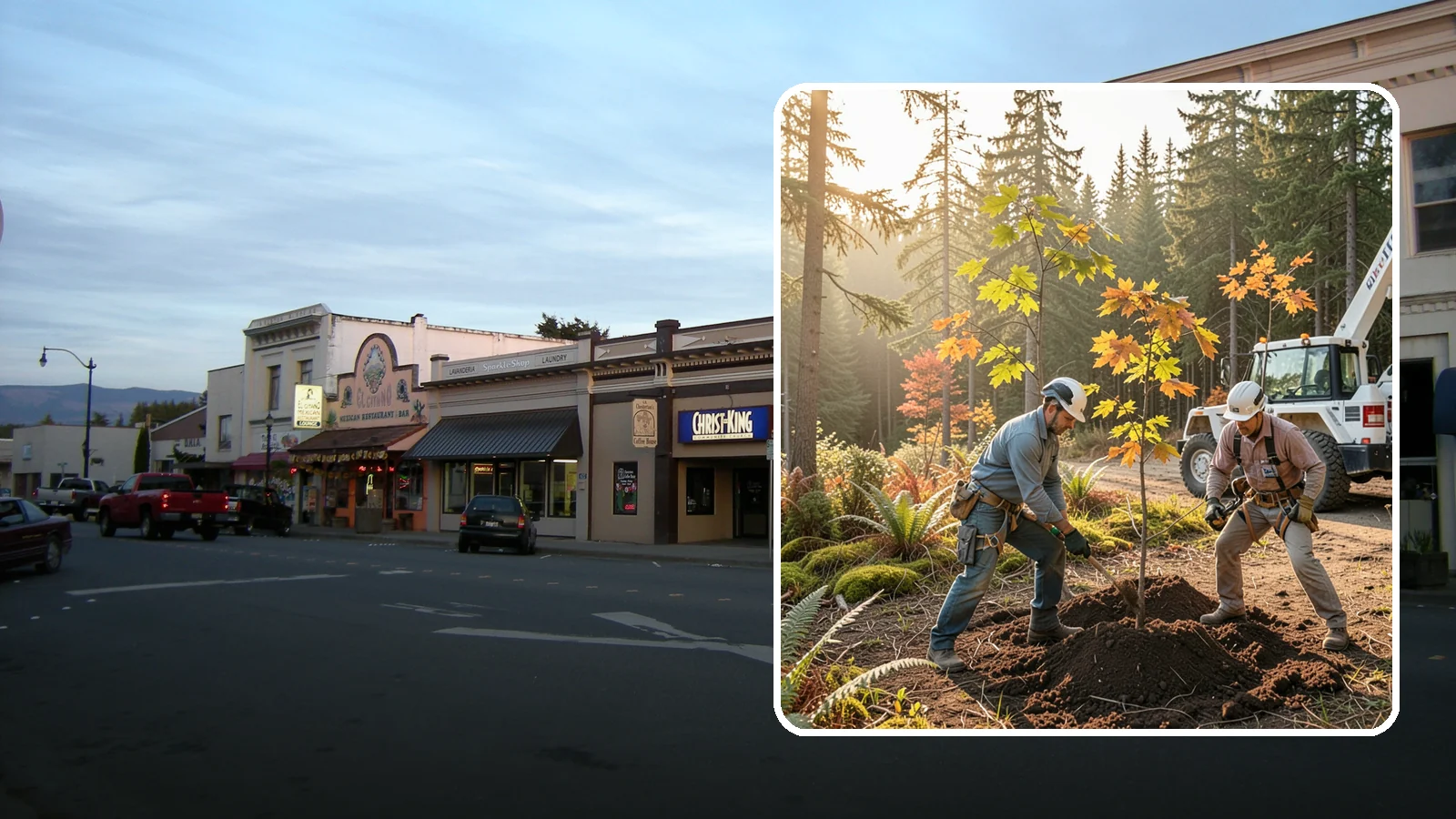
Burlington Native Tree Planting
The planting of species native to the region.
In Burlington, the best planting window runs from fall into early spring. About 78% of the city's yearly rain and snow falls from October to April (Daymet, 2005-2025), so new roots get natural water while the tree is dormant or just waking up.
Planting a native tree is simple work, but small choices early on shape how it grows. Species, spot, and soil all matter. Here is how we plan a native planting in Burlington and what the day looks like.
About Native Tree Planting in Burlington
Native tree planting helps restore local ecology while adding privacy and shade to your property. This service is designed for homeowners who want healthy trees that are naturally suited to their site conditions. We use trained crews to ensure every new addition supports long-term resilience in the region.
What Burlington Native Tree Planting Includes
Our work focuses on selecting and installing species native to Washington State to improve overall site health. The process includes preparing the soil, planting at the correct depth, and providing guidance for proper establishment. Every method is matched specifically to the tree type and your unique location conditions.
Burlington Native Tree Planting Process
We begin by assessing your land to choose suitable trees that will thrive in local environments. After clearing and amending the area as needed, our crew plants each tree with care to protect its roots. Finally, we apply mulch and water before offering advice on how to keep your new planting healthy for years to come.
Equipment We Use for Burlington Native Tree Planting
The job requires digging tools, watering equipment, and materials like soil amendments and mulch. We also bring staking supplies when necessary and ensure all crew members wear personal protective gear during the work. These resources allow us to handle different site conditions safely and effectively.
Burlington Native Tree Planting Safety & Best Practices
Before any digging begins, we locate underground utilities to prevent damage or injury. Our team selects species that fit your space well to avoid future conflicts between roots and structures. We also take care not to harm existing root systems while handling the new trees for planting.
Signs You Need Native Tree Planting in Burlington
You may need this service if you notice poor soil quality or compacted ground in your yard. Signs of improper past planting, such as shallow depth or unsuitable species choices, are another reason to call us. If you want to expand tree cover without risking transplant shock later on, native planting is a great option for you.
What Affects the Cost of Native Tree Planting in Burlington
The price depends heavily on how accessible the site is and whether soil amendments are required. Choosing species that match your local conditions helps avoid extra costs related to poor growth or replacement needs. Additionally, ensuring proper depth and spacing during installation influences the overall investment in your project.
Best Time of Year for Burlington Native Tree Planting
Planting works best when done during dormancy in late fall or early spring to reduce stress on the trees. We aim to schedule work before frozen ground sets in so roots can establish themselves properly. Specific timing must always align with the unique requirements of each native species we select for your landscape.
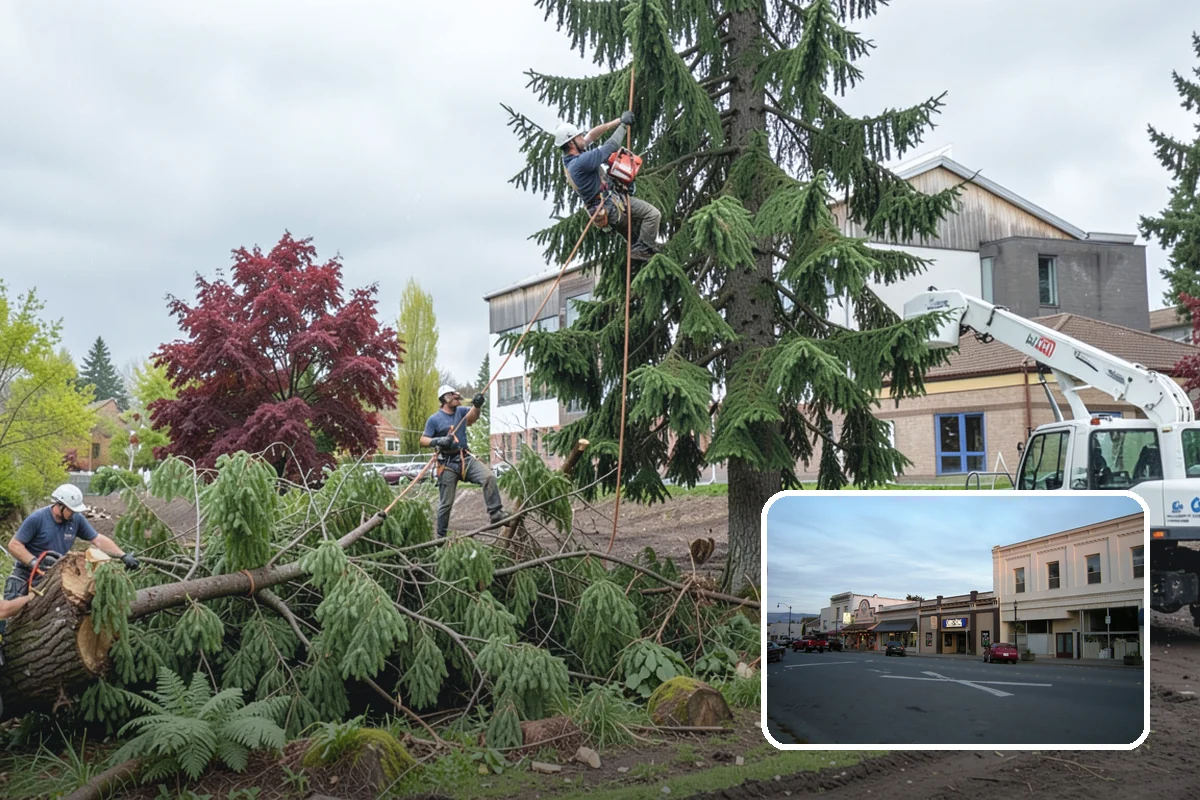
Planning a native tree planting in Burlington
We start with the site. Look at sun, space overhead, space for the mature canopy, and nearby wires, pipes, and buildings. Then we pick a native species that suits those conditions rather than the other way around.
What affects scope
Burlington sits in USDA hardiness zone 8b (USDA map, 2023). That is a useful starting filter for choosing species, though it says nothing about your specific yard.
Soil matters more. The NRCS soil survey shows that 4% of the land in Burlington has a hard or restrictive layer, such as glacial hardpan, within 40 inches of the surface. The most common soil series is Field. Most sites will not hit a hard layer, but some will. If water pools in a test hole, we adjust the planting spot or the way we prepare it. That can change the time the job takes.
Other things that change scope are the number of trees, the size of the nursery stock, how much sod or debris needs clearing, and how easily we can reach the planting spot.
What to expect on the day
We mark the spot and dig a wide, shallow hole, no deeper than the root ball. We check that the root flare sits at or just above the soil line, loosen circling roots, backfill with the native soil, and water in well. Mulch goes on in a ring, kept back from the trunk. If the tree needs a stake because of wind or a loose root ball, we place it so the trunk can still move a little.
Because of the property rules in some cities, we check with the city before work starts when there is any question about a permit.
One practical tip: remove stakes and ties within about a year. The WSU Extension Pacific Northwest Gardener's Handbook warns that ties left on can girdle the trunk. Put a reminder on your calendar the day the tree goes in.
Burlington tree conditions at a glance
| USDA hardiness zone | 8b |
|---|---|
| Soils | 4% of land has hardpan or another restrictive layer within 40 in; most common series Field |
| Rain and snow falling October to April | 78% of the year’s total |
| Days that freeze at night and thaw by day | 35 a year |
Tree removal rules in Burlington
Significant trees may not be removed without prior authorization from the department, BUT the significant-tree rules do not apply to trees within the boundaries of an existing landscaped yard associated with an individual dwelling (except redevelopment projects), nor to construction of a single detached dwelling, duplex or small multiunit building or land divisions of four lots or less. So ordinary removal in an existing single-family yard needs no tree approval outside critical areas.
Regulated size: 6 inches DBH (multi-stem: any stem at least 4 in. measured 6 in. from the trunk joint).
Official city source. Rules change; we confirm with the city before work starts.
Sources: Daymet daily weather (NASA/ORNL), NOAA Storm Events, USDA plant hardiness map 2023, NRCS soil survey, USGS elevation, WA DNR landslide inventory, USDA Forest Service aerial survey, WSDA, city tree assessments and street-tree inventories, SILVIS Lab, Arbor Day Foundation, and official city and utility pages.
Native Tree Planting Serving Burlington
Burlington
Native tree planting in nearby areas
Also serving Burlington
- Fruit Tree Planting in Burlingtonat Washington Landscaping
- Municipal Turf Management in Burlingtonat Washington City Services