Where Safety Meets Expert Tree Service.

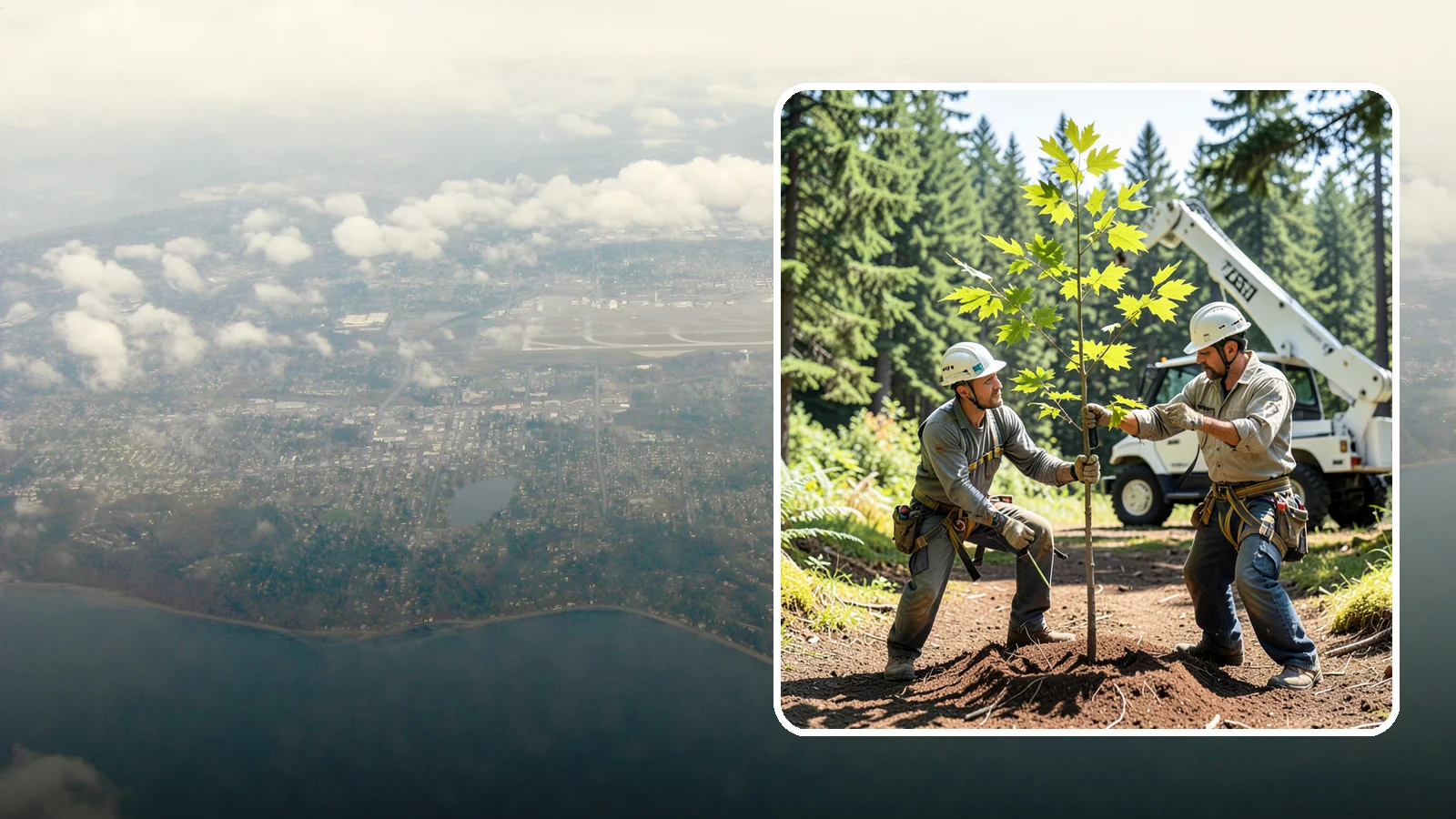
Burien Young Tree Training
The early structural pruning of young trees.
A young tree in your yard may already show signs that it needs guidance: two leaders competing at the top, a branch growing straight toward the trunk, or a limb as thick as the stem it grows from. These problems are easiest to fix while the wood is small.
Young tree training is light pruning in the first few years after planting. The aim is one dominant leader, well-spaced branches and a sound structure that holds up as the tree grows. Small cuts now can reduce the need for large cuts later.
About Young Tree Training in Burien
Young tree training helps establish a strong foundation for your newest additions by shaping their branches early on. This essential care supports long-term health and appearance while reducing future risks of branch failure. It is ideal for homeowners who want to ensure their trees grow into sturdy, well-formed specimens.
What Burien Young Tree Training Includes
This service focuses on the early structural pruning needed to create strong, well-spaced branches and a sound central structure. Our trained crews match specific methods to your tree species, site conditions, and access requirements to achieve these goals safely. The work is designed to improve clearance, sightlines, and overall vigor without causing unnecessary stress to the plant.
Burien Young Tree Training Process
We begin by assessing the canopy condition and defining clear pruning objectives for each individual tree. Crews then select precise cuts that fit the species and current season before making clean incisions at proper points. Afterward, we lower and process all cut material while thoroughly cleaning up the work area around your property.
Equipment We Use for Burien Young Tree Training
Our teams utilize hand saws, pole saws, chainsaws, and climbing gear to reach every part of the canopy safely. When necessary, aerial lifts are deployed along with wood chippers for efficient debris management on site. All personnel wear personal protective equipment throughout the job to ensure everyone remains safe during operations.
Burien Young Tree Training Safety & Best Practices
We follow recognized pruning standards that avoid harmful cuts while limiting removal to healthy amounts of live tissue. Technicians stay alert for overhead lines and unstable limbs, using fall protection whenever they work aloft. These precautions help prevent accidents and protect both your property and the structural integrity of the tree.
Signs You Need Young Tree Training in Burien
You may need this service if you notice deadwood, weak unions, or branches interfering with nearby structures and power lines. Over-pruning from previous attempts or improper cuts that cause stress to the plant are also clear indicators for intervention. Addressing these issues early supports long-term vigor and prevents potential hazards before they become serious problems.
What Affects the Cost of Young Tree Training in Burien
The investment varies based on tree species, site access conditions, and canopy complexity requiring precise cuts. Disposal needs for larger amounts of wood can also influence the final cost of the project. We work with you to find a solution that fits your budget while delivering high-quality structural training.
Best Time of Year for Burien Young Tree Training
Work should be scheduled according to recognized arboricultural standards matched to seasonal sensitivities specific to each species in our region. Timing is critical because different trees react differently to pruning at various times of the year. We plan visits to align with these natural rhythms for the best results and minimal stress on your young trees.
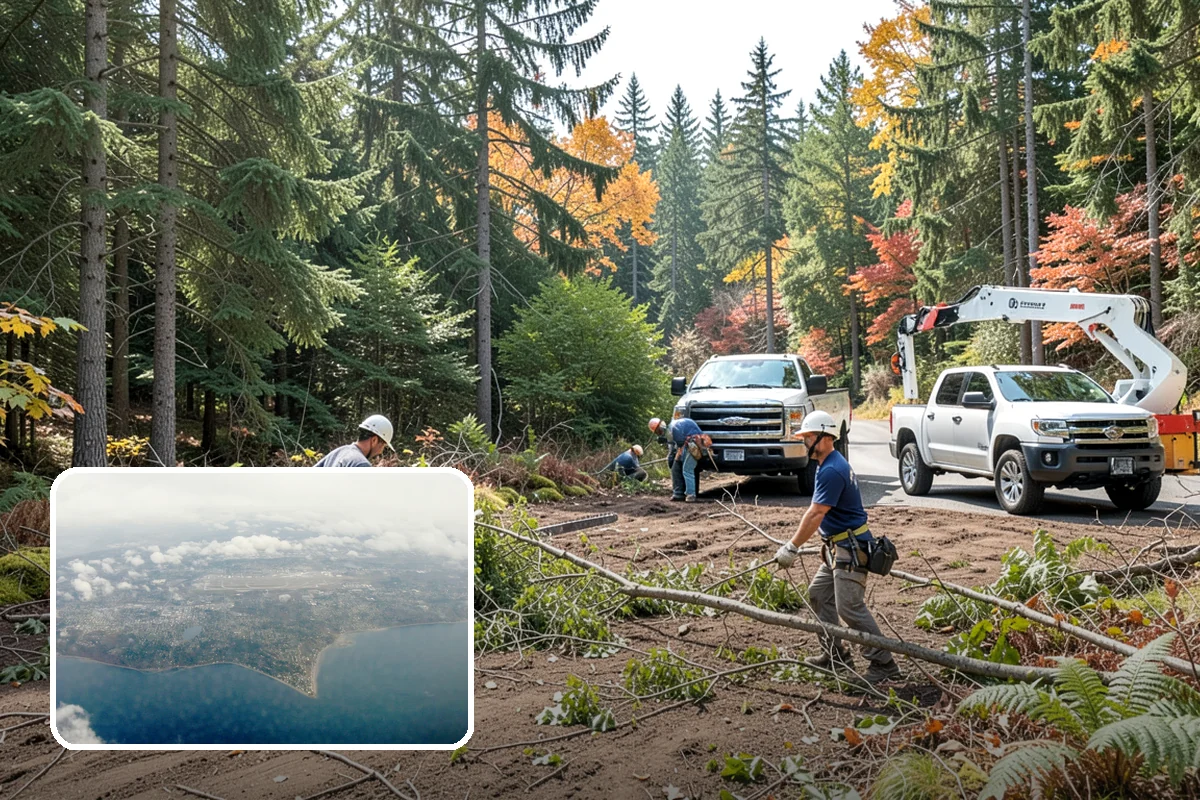
Training young trees in Burien: timing, structure and cuts
Most structural flaws start with how a young tree grows. Nursery stock is often grown close together and may arrive with several leaders or crowded branches. If nobody corrects this, codominant stems can form. They grow tight together, and bark can get trapped between them, which makes a weak union. A branch that grows large relative to the trunk can cause similar trouble.
Local conditions shape the plan. Burien sits in USDA plant hardiness zone 9a, according to the 2023 USDA map. That is mild enough to support a wide range of species, so the right training depends on the tree you planted. A maple, a pear and a young conifer each grow differently, and we start by identifying the species and its natural form.
Rain also affects the schedule. Daymet data for 2005 to 2025 shows that 83% of Burien's yearly rain and snow falls from October to April. That wet stretch is a reason to plan pruning around it, because fresh cuts and wet weather can overlap. A dry-season visit gives you a clearer look at the tree's structure and keeps the work from running into the wettest months. Burien is also a current Tree City USA, a designation the Arbor Day Foundation has held for 25 years, which reflects a community that pays attention to its trees.
The work itself is modest. An ISA Certified Arborist looks at the whole tree first, then picks a leader and removes or shortens competing stems. We take out crossing or rubbing branches and space the main limbs along the trunk. We keep cuts small and leave enough foliage for the tree to keep growing and building its trunk.
If a young tree has grown too tall for its spot, we do not top it. Height reduction should use reduction cuts to a lateral at least one-third the diameter of the removed limb. Washington State University's Linda Chalker-Scott makes this point in The Myth of Tree Topping. She also notes this applies only to rounded trees, not conifers. Conifers keep their central leader.
Call or text 425-484-4442 for a free estimate. If the tree falls under a city rule, we check with the city before work starts.
Burien tree conditions at a glance
| USDA hardiness zone | 9a |
|---|---|
| Rain and snow falling October to April | 83% of the year’s total |
| Days that freeze at night and thaw by day | 28 a year |
| Tree City USA | 25 years |
| Electric utility | Puget Sound Energy (PSE) |
Trees near the power line to your house
Puget Sound Energy (PSE): Service line (wire from PSE pole to home or meter pole): PSE does not trim it; homeowner/private arborist trims.
PSE performs a safety disconnection so the homeowner or private tree trimmer/arborist can work; Call at least 5 business days ahead to check crew availability and potential charges.
Safety disconnect: 1-888-321-7779 (5+ business days ahead). Utility page.
Any fee for a disconnect is set by the utility.
Sources: Daymet daily weather (NASA/ORNL), NOAA Storm Events, USDA plant hardiness map 2023, NRCS soil survey, USGS elevation, WA DNR landslide inventory, USDA Forest Service aerial survey, WSDA, city tree assessments and street-tree inventories, SILVIS Lab, Arbor Day Foundation, and official city and utility pages.
Young Tree Training Serving Burien
Burien

Young tree training in nearby areas
Also serving Burien
- Spruce Pruning in Burienat Washington Landscaping
- Roof Stain Removal in Burienat Washington Roofing
- Root Pruning in Burienat Washington City Services