Where Safety Meets Expert Tree Service.

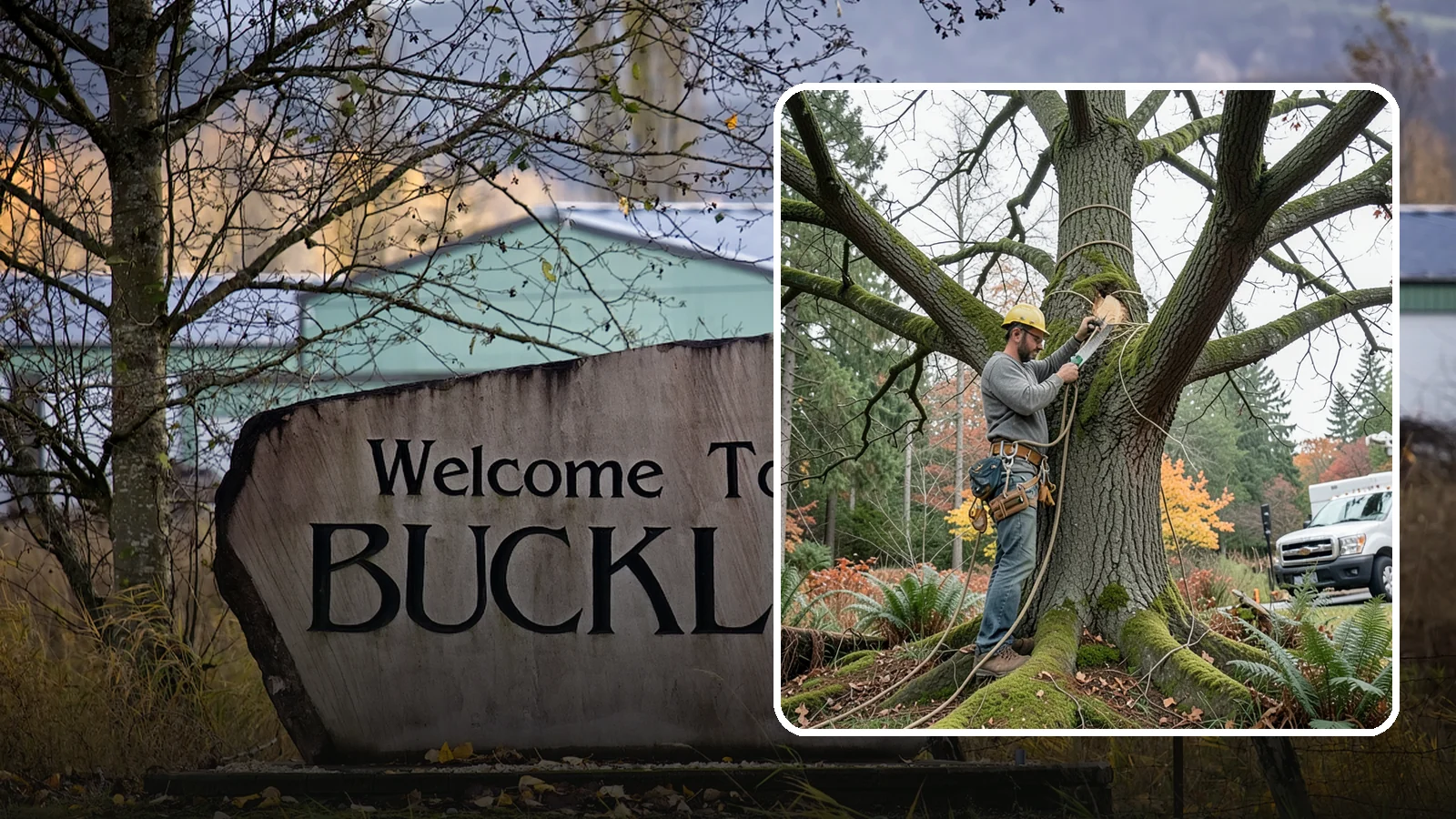
Buckley Seasonal Pruning
Pruning timed to a tree’s seasonal cycle.
You may notice blossoms on a cherry tree turning brown and sticking to the twigs, or shoots that look dead in the middle of spring growth. Those are good reasons to look at the calendar before anyone picks up a saw.
Seasonal pruning means matching the cut to the time of year and to the tree. Some work suits the dormant months. Some, like removing diseased twigs, is better done when the tree is actively growing. Knowing which is which keeps the work useful.
About Seasonal Pruning in Buckley
Seasonal pruning is a thoughtful way to care for your trees by working in rhythm with their natural growth cycles. This service helps maintain the health and structure of your landscape while keeping branches clear where they matter most. It is designed specifically for homeowners who want long-term vigor without unnecessary stress on their plants.
What Buckley Seasonal Pruning Includes
We perform pruning timed to match each tree species’ seasonal needs, focusing on proper cuts that support overall health. Our crews follow recognized arboricultural standards and tailor methods to your specific site conditions and the type of trees you have. The goal is always to improve structure and appearance while reducing risks like branch failure or interference with nearby structures.
Buckley Seasonal Pruning Process
We begin by assessing your canopy condition and defining clear pruning objectives for each tree. Trained professionals select the correct cuts based on species requirements, making clean incisions at proper points without removing too much live tissue. Afterward, we carefully lower cut material, process it through a wood chipper if needed, and leave your work area completely clean.
Equipment We Use for Buckley Seasonal Pruning
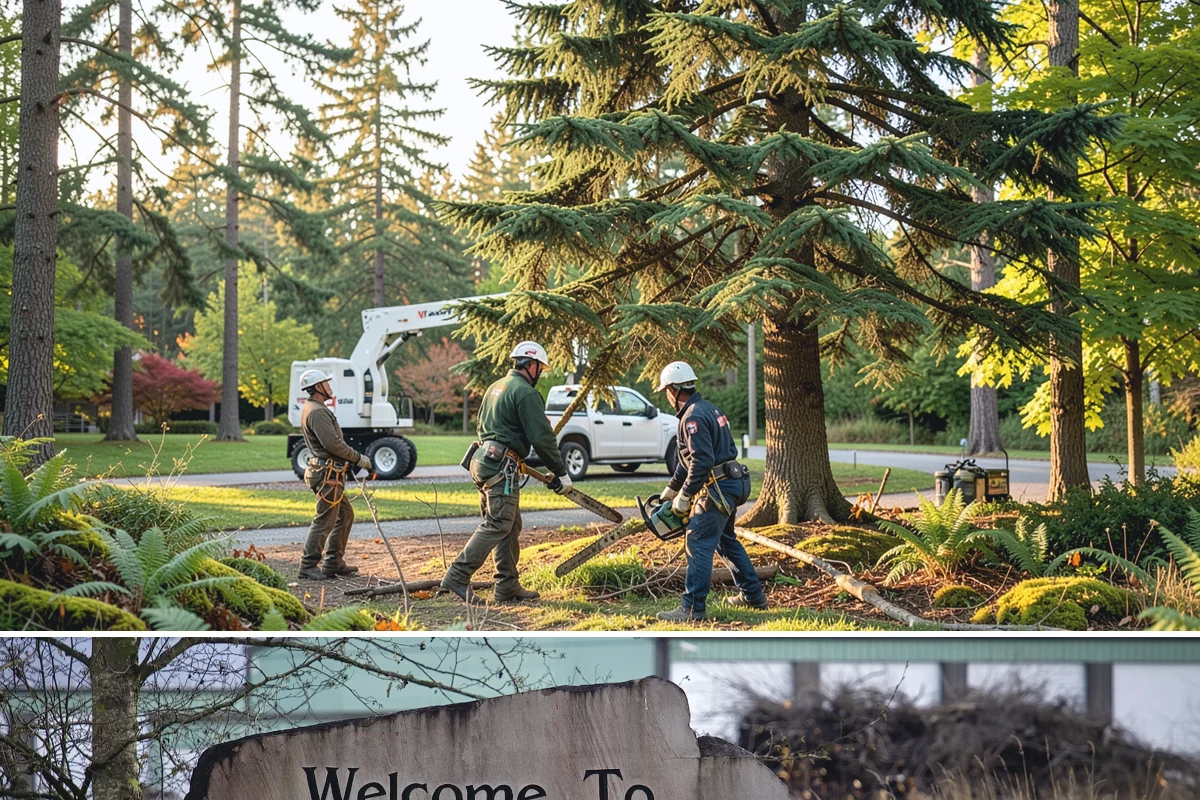
Our teams use hand saws, pole saws, chainsaws, and climbing gear to reach branches safely from the ground or aloft. When necessary, aerial lifts are deployed for taller trees while personal protective equipment is worn by everyone on site. A wood chipper handles cut material efficiently, ensuring debris does not remain in your yard after the job is done.
Buckley Seasonal Pruning Safety & Best Practices
We strictly follow recognized pruning standards to avoid making harmful cuts that could weaken a tree’s structure. Our crews watch closely for overhead power lines and unstable limbs before starting any work on elevated branches. Fall protection systems are used whenever workers climb, ensuring everyone stays safe while handling tools near your home or property.
Signs You Need Seasonal Pruning in Buckley
You may need seasonal pruning if you notice deadwood hanging in the canopy or weak unions that could fail during storms. Overgrown branches blocking sightlines or interfering with buildings and utility lines also indicate it is time for this service. If a tree shows signs of stress from improper past cuts, professional assessment can help restore its balance and strength.
What Affects the Cost of Seasonal Pruning in Buckley
The price depends on factors like the size of your trees and how complex access to them might be at your property site. We consider the condition of the canopy during our initial assessment along with the proper disposal methods required for all cut material. Specialized equipment such as climbing gear or aerial lifts may also influence the final cost based on what is needed for safe completion.
Best Time of Year for Buckley Seasonal Pruning
In our local Puget Sound climate, it is best to schedule pruning when your specific tree species enters its dormancy period each year. This timing supports health by avoiding active growth phases where cutting can cause stress and slow recovery. Waiting until these appropriate windows ensures the work aligns with nature’s cycle for maximum benefit to every branch we touch.

Timing seasonal pruning around Buckley's wet and dry months
Brown rot is a fungal disease of cherries and other stone fruit. It infects blossoms first, then spreads into the twigs behind them and leaves sunken, dead spots. Infected tissue can carry the fungus forward, so the dead twigs matter as much as the blossoms you can see.
Washington State University's HortSense guide on cherry brown rot says to prune out infected twigs in late spring or summer, not in the dormant season. That runs against the habit of doing all pruning in winter. If you wait for winter to cut out brown-rot twigs, you have missed the window the guide recommends.
Local weather shapes how you plan this. Daymet climate data for 2005-2025 shows that 79% of Buckley's yearly rain and snow falls from October to April. That is a long wet stretch, and pruning wounds made then stay damp for a long time. The same data shows July is the driest month on average. For work that belongs in summer, July is the month most likely to give dry conditions, which helps cuts dry out and the crew work safely.
Buckley sits in USDA plant hardiness zone 8b, according to the 2023 USDA map. That is a general guide to winter cold, and it helps when choosing what to plant and how hard a tree may be pruned. It does not tell you what any one tree on your lot needs.
How the work goes
We look at the tree first. For brown rot, the cut goes into healthy wood a short distance below the dead or sunken area, and the tools are cleaned between cuts so the disease is not carried to other branches. Removed material should be bagged and taken away, not left under the tree.
For other trees, standard practice under ISA and ANSI A300 guidelines is to remove dead, crossing or damaged branches and to make cuts at the branch collar. We do not top trees. If you are unsure what season suits your trees, an ISA Certified Arborist can walk the property with you, and estimates are free. Call or text 425-484-4442.
Buckley tree conditions at a glance
| USDA hardiness zone | 8b |
|---|---|
| Rain and snow falling October to April | 79% of the year’s total |
| Days that freeze at night and thaw by day | 40 a year |
| Electric utility | Puget Sound Energy (PSE) |
Trees near the power line to your house
Puget Sound Energy (PSE): Service line (wire from PSE pole to home or meter pole): PSE does not trim it; homeowner/private arborist trims.
PSE performs a safety disconnection so the homeowner or private tree trimmer/arborist can work; Call at least 5 business days ahead to check crew availability and potential charges.
Safety disconnect: 1-888-321-7779 (5+ business days ahead). Utility page.
Any fee for a disconnect is set by the utility.
Sources: Daymet daily weather (NASA/ORNL), NOAA Storm Events, USDA plant hardiness map 2023, NRCS soil survey, USGS elevation, WA DNR landslide inventory, USDA Forest Service aerial survey, WSDA, city tree assessments and street-tree inventories, SILVIS Lab, Arbor Day Foundation, and official city and utility pages.
Seasonal Pruning Serving Buckley
Buckley

Seasonal pruning in nearby areas
Also serving Buckley
- Maple Tree Pruning in Buckleyat Washington Landscaping
- Roof Moss Removal in Buckleyat Washington Roofing
- Trail Clearing in Buckleyat Washington City Services