Where Safety Meets Expert Tree Service.

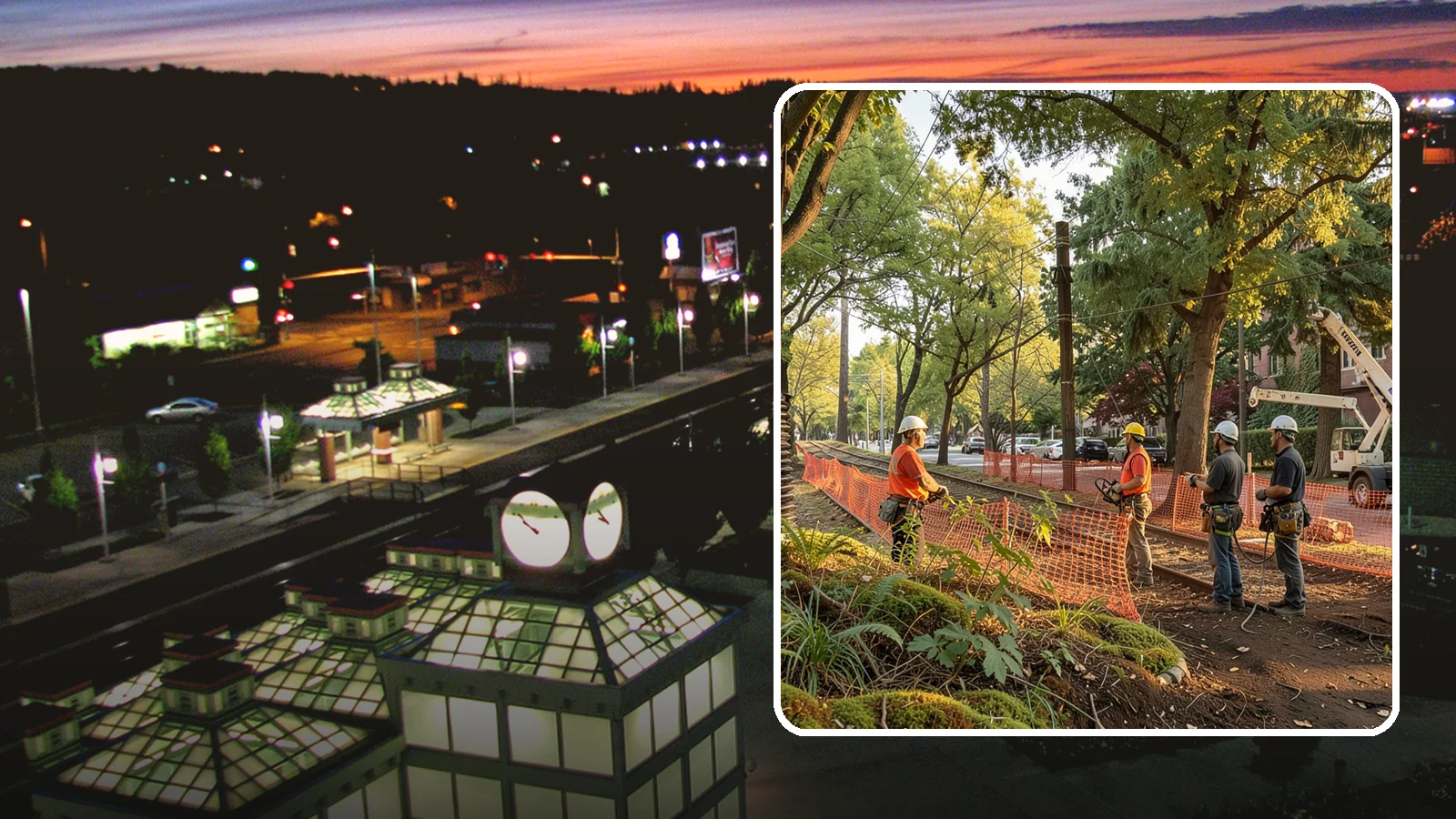
Auburn Construction tree protection fencing
The installation of protective fencing around tree protection zones.
About Construction Tree Protection Fencing in Auburn
We help homeowners keep their valued trees safe while construction projects happen on your property. Our team installs protective fencing around critical root zones to prevent damage from heavy equipment and traffic. This service ensures that long-term site value is preserved even during busy building phases.
What Auburn Construction Tree Protection Fencing Includes
Construction tree protection fencing involves setting up barriers specifically designed to shield tree roots from disturbance. We match our methods to the specific species of trees on your land, along with current site conditions and access points. The goal is strictly to keep machinery out of areas where root health is most vulnerable.
Auburn Construction Tree Protection Fencing Process
Our trained crews first identify which trees need retention and map out their necessary protection zones before any work begins. We establish these measures early so that ground-disturbing activities do not compromise the soil or roots. Throughout the project, we monitor conditions closely to address any issues immediately and provide follow-up care if needed.
Equipment We Use for Auburn Construction Tree Protection Fencing
To get the job done right, we use specialized protective fencing and clear signage to mark off restricted areas. We also bring mulch for ground protection, air excavation tools when necessary, and personal protective equipment for our staff. These resources allow us to create a secure environment that adapts to the unique layout of your site.
Auburn Construction Tree Protection Fencing Safety & Best Practices
Keeping all construction traffic and heavy machinery out of these designated zones is essential to avoiding root compaction or severed roots. We coordinate closely with other site crews to ensure no grade changes occur over sensitive root systems during wet winter months or dry summer periods. Proper documentation of our protection measures helps maintain compliance while reducing the risk of future decline for your trees.
Signs You Need Construction Tree Protection Fencing in Auburn
You may need this service if you are planning a project that will bring equipment near existing mature trees on your property. Any situation where soil compaction or grade changes could occur around critical root areas is an indicator to install fencing first. If there is concern about delayed decline appearing after construction, establishing these zones early can prevent those long-term issues.
What Affects the Cost of Construction Tree Protection Fencing in Auburn
The price for this service depends largely on the number and size of trees requiring protection within your project area. Site access limitations that make it harder to place equipment correctly will also influence how much work is required. Additionally, the complexity involved in accurately establishing zones around critical root areas plays a significant role in the final cost.
Best Time of Year for Auburn Construction Tree Protection Fencing
While this service can be performed year-round here in the Puget Sound region, timing matters greatly relative to your construction schedule. It must occur before ground-disturbing activities begin to prevent compaction during wet winter months or dry summer periods. Getting started early ensures that trees remain healthy and stable throughout the entire duration of your project.
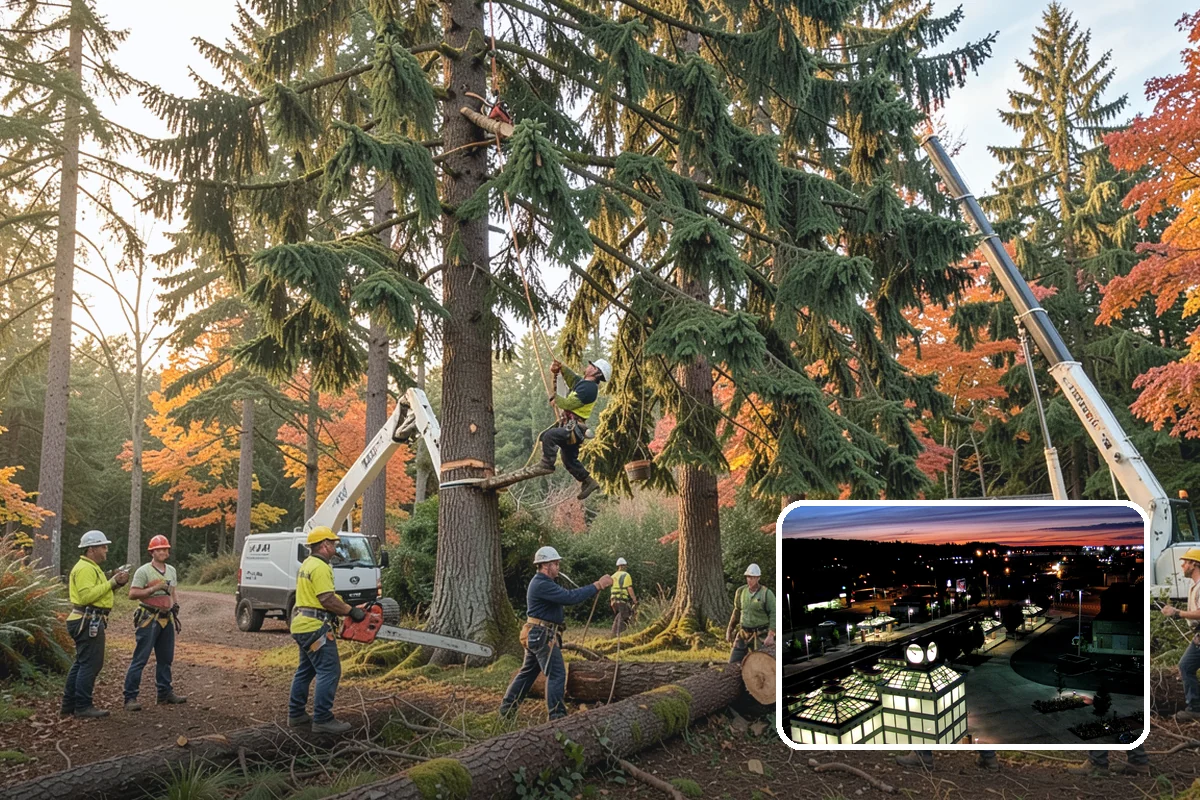
Construction Tree Protection Fencing Serving Auburn
Auburn
A city in the Green River valley of south King County, extending slightly into Pierce County.
Growing Conditions in Auburn
Permits & Local Notes for Auburn
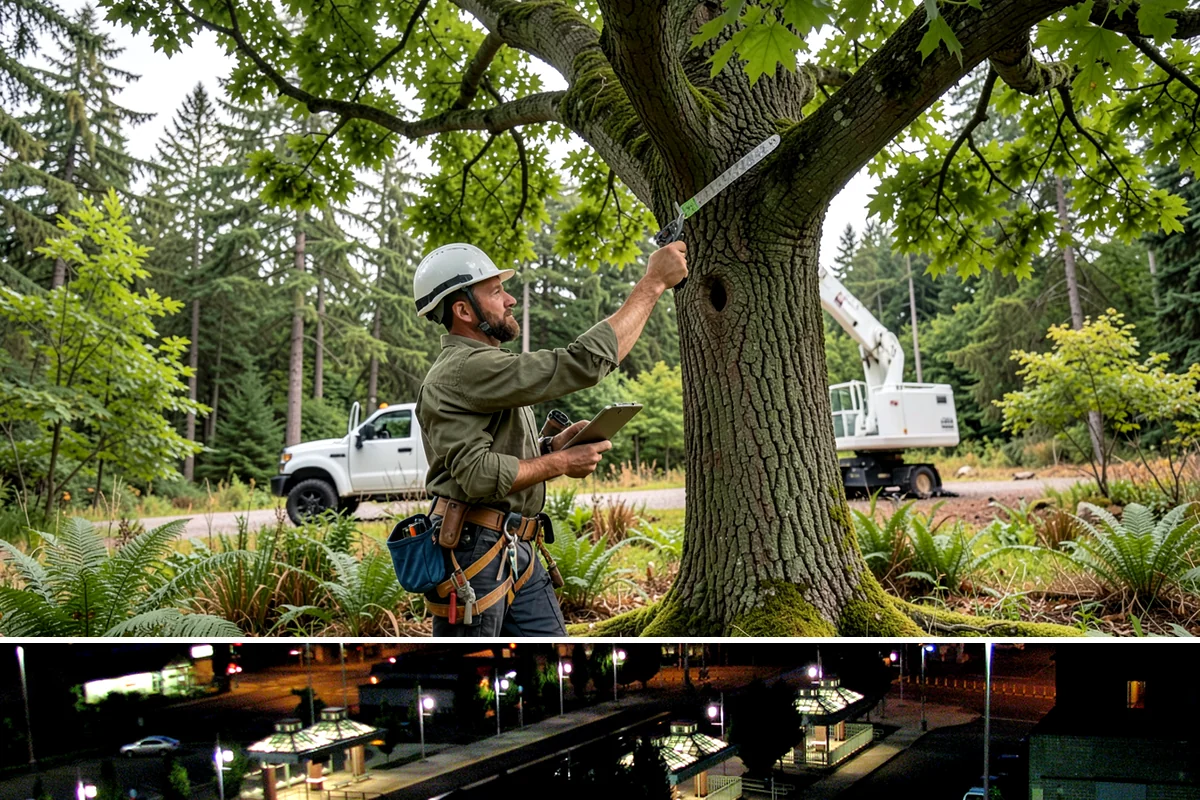
Construction tree protection fencing in nearby areas
Also serving Auburn
- Garage Demolition in Auburnat Washington Construction
- Land Leveling in Auburnat Washington Landscaping
- Municipal Restroom Construction in Auburnat Washington City Services