Where Safety Meets Expert Tree Service.

Arlington Cable inspections
The periodic inspection of installed support systems.
About Cable Inspections in Arlington
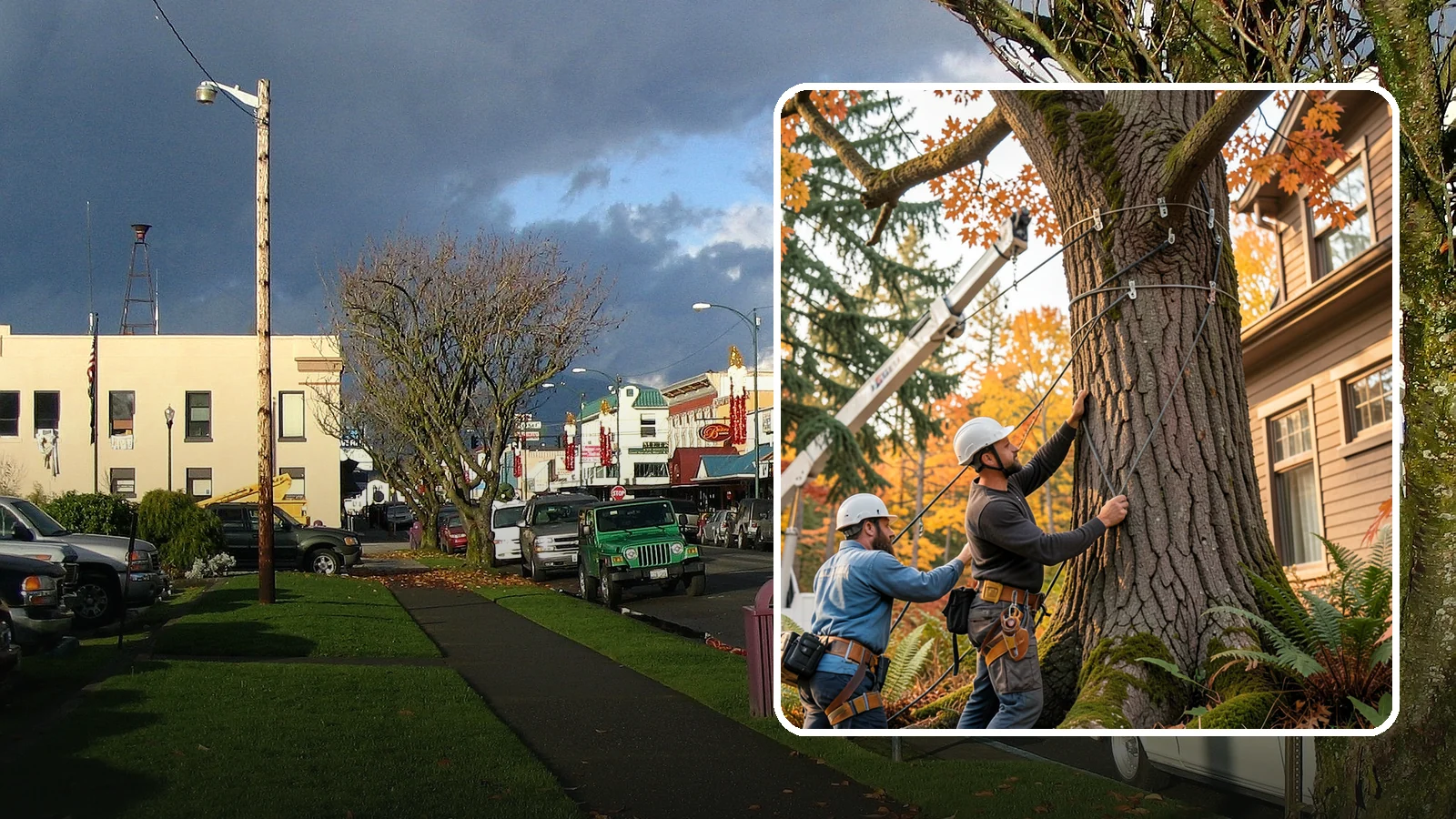
We offer periodic inspections of your installed tree support systems to ensure they remain sound and effective over time. This helpful check is designed for homeowners who want to confirm that their cabling continues to protect significant trees safely. Our trained crews follow recognized standards while matching our methods to the specific needs of each property.
What Arlington Cable Inspections Includes
Cable inspections focus on confirming that hardware stays in good condition without interference from foliage or other obstacles. We assess structural defects and load paths to verify that weak unions, heavy limbs, and aging systems are still functioning correctly. This service helps preserve valued trees by supporting them where they need the most stability during storms or high winds.
Arlington Cable Inspections Process
Our team begins by evaluating your tree’s unique species and site conditions before selecting an appropriate support system for review. We carefully inspect installed hardware to ensure it is positioned at correct locations and remains free from damage over time. After documenting our findings, we will set a clear inspection schedule so you know when the next check should occur.
Equipment We Use for Arlington Cable Inspections
To perform these inspections safely and accurately, we utilize climbing gear, rigging tools, and aerial lifts as needed for access to high branches. We also bring correctly rated hardware for any necessary adjustments or replacements during the evaluation process. All crew members wear personal protective equipment while working around your trees with care.
Arlington Cable Inspections Safety & Best Practices
Our crews install support only where it is truly appropriate and effective for preventing limb or stem failure. During every inspection, we use properly rated materials to recognize when removal might be a safer option than keeping old hardware in place. We prioritize the long-term health of your tree by ensuring all systems meet recognized arboricultural standards before leaving the site.
Signs You Need Cable Inspections in Arlington
You may need this service if you notice cracks and cavities, overextended limbs, or included-bark unions that require monitoring for structural integrity. Aging hardware often shows signs of wear that a professional inspection can identify early to prevent unexpected failures later on. This check is especially important when dealing with codominant stems that have previously required support systems.
What Affects the Cost of Cable Inspections in Arlington
The price varies based on the specific tree species and how difficult it is to access different parts of your property for assessment. Factors like complex structural defects in weak unions or heavy limbs will also influence the overall cost of the inspection work. Site conditions play a major role, as working around obstacles can require additional time and specialized approaches from our crew.
Best Time of Year for Arlington Cable Inspections
Inspections are best performed during dormant seasons when leafless branches allow for clear visibility of hardware integrity without interference from foliage. Waiting until trees have lost their leaves ensures we can see every bolt, cable, or brace clearly to confirm it remains effective over time. This timing helps us provide the most accurate assessment possible before new growth returns in spring.

Cable Inspections Serving Arlington
Arlington
A city on the Stillaguamish River in north Snohomish County near the Cascade foothills.
Growing Conditions in Arlington
Permits & Local Notes for Arlington