Where Safety Meets Expert Tree Service.

Milton Tree Monitoring
The ongoing observation of tree condition to track changes over time.
About Tree Monitoring in Milton
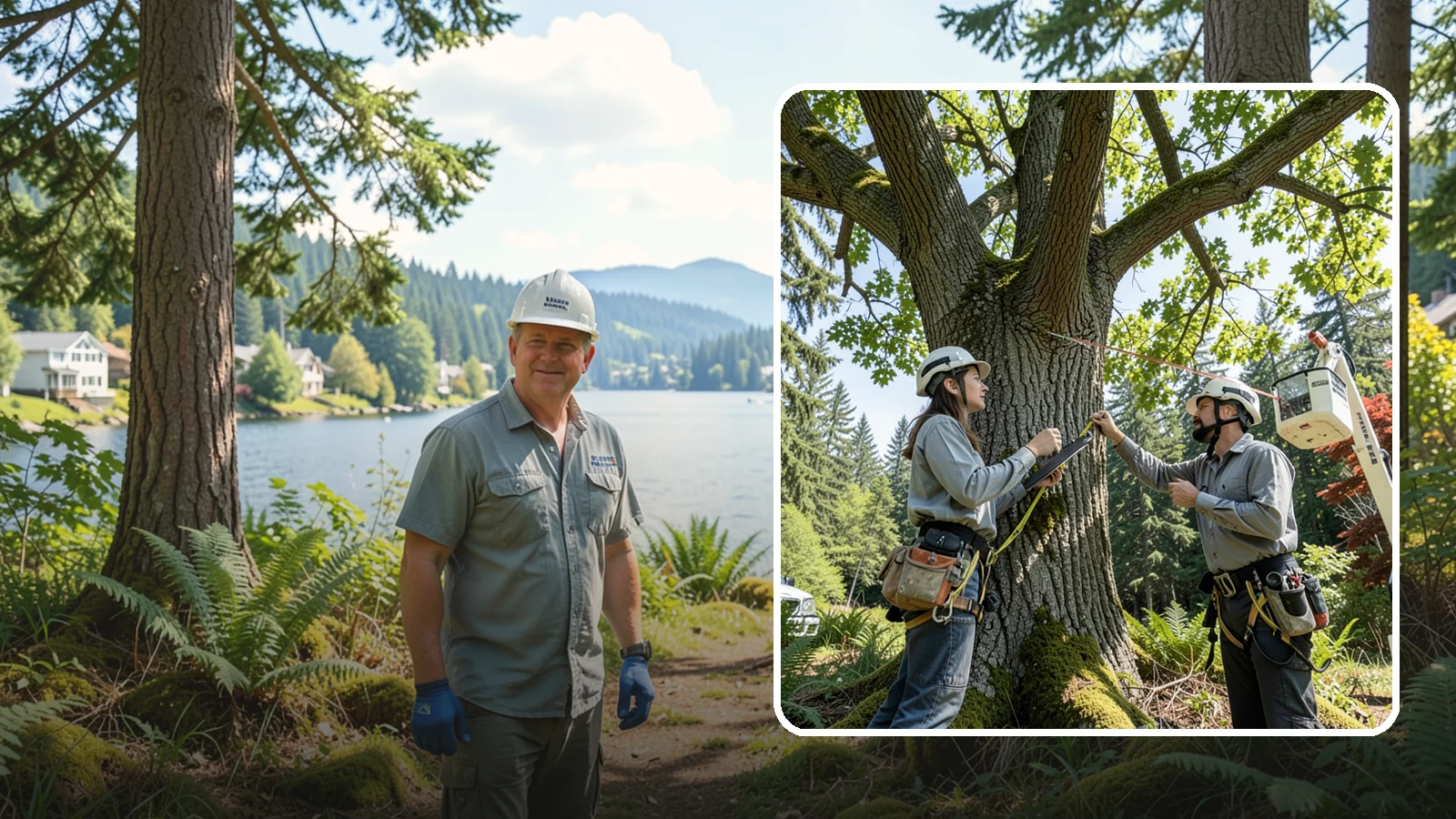
Tree Monitoring helps you keep a close eye on your landscape’s most valuable assets over time. This ongoing care is designed for homeowners who want to ensure their trees remain healthy and stable in the long run. We work with trained crews to track changes as they happen, giving you peace of mind about your property.
What Milton Tree Monitoring Includes
This service involves regularly observing tree conditions to detect emerging problems before they escalate. It includes tracking how current care efforts affect overall health while improving soil and root environments. Our methods are carefully matched to the specific species on site and local access requirements for every observation.
Milton Tree Monitoring Process
The work typically begins with a thorough inspection of both the tree and its surrounding area. We identify contributing factors like pests, disease, or poor soil conditions before recommending appropriate treatments. After applying necessary care, we document our findings and plan follow-up visits to ensure continued progress.
Equipment We Use for Milton Tree Monitoring
Our crews use specialized diagnostic tools and soil probes to gather accurate information about root health. Depending on the specific needs of each tree, we may also bring injection equipment or air excavation tools for targeted application. All work is performed with proper personal protective gear to keep everyone safe during these detailed inspections.
Milton Tree Monitoring Safety & Best Practices
We strictly follow label guidelines when applying any products and take steps to protect nearby plantings from accidental damage. Our team avoids damaging roots or trunks while working, ensuring the structural integrity of your trees remains intact throughout the process. Every condition is documented accurately so we can maintain a clear record of tree health over time.
Signs You Need Tree Monitoring in Milton
You may need this service if you notice signs like compacted soil, girdling roots, or visible pest activity on branches. It becomes especially important when past construction projects have altered ground levels around your trees in ways that affect their stability. Early detection through monitoring allows us to address decline before it leads to costly repairs later.
What Affects the Cost of Tree Monitoring in Milton
The investment for this service depends heavily on the species of tree you are caring for and how difficult access is at each site. Site conditions determine which diagnostic tools we need, while specific application methods may vary based on what treatments are required. These factors combine to create a customized cost structure that fits your unique landscape needs without hidden fees.
Best Time of Year for Milton Tree Monitoring
While monitoring can happen year-round in our local weather patterns, many homeowners prefer scheduling visits during dry periods for better results. Dry conditions make soil sampling easier and help prevent the spread of disease after we apply any treatments. We will work with you to find a schedule that fits your calendar while ensuring optimal care for every tree on your property.

Tree Monitoring Serving Milton
Milton
A small city on the King and Pierce county line between Federal Way and Fife.
Growing Conditions in Milton
Permits & Local Notes for Milton
Tree Monitoring in nearby areas
Also serving Milton
- Shrub Transplanting in Miltonat Washington Landscaping
- Irrigation Repair in Miltonat Washington City Services