Where Safety Meets Expert Tree Service.

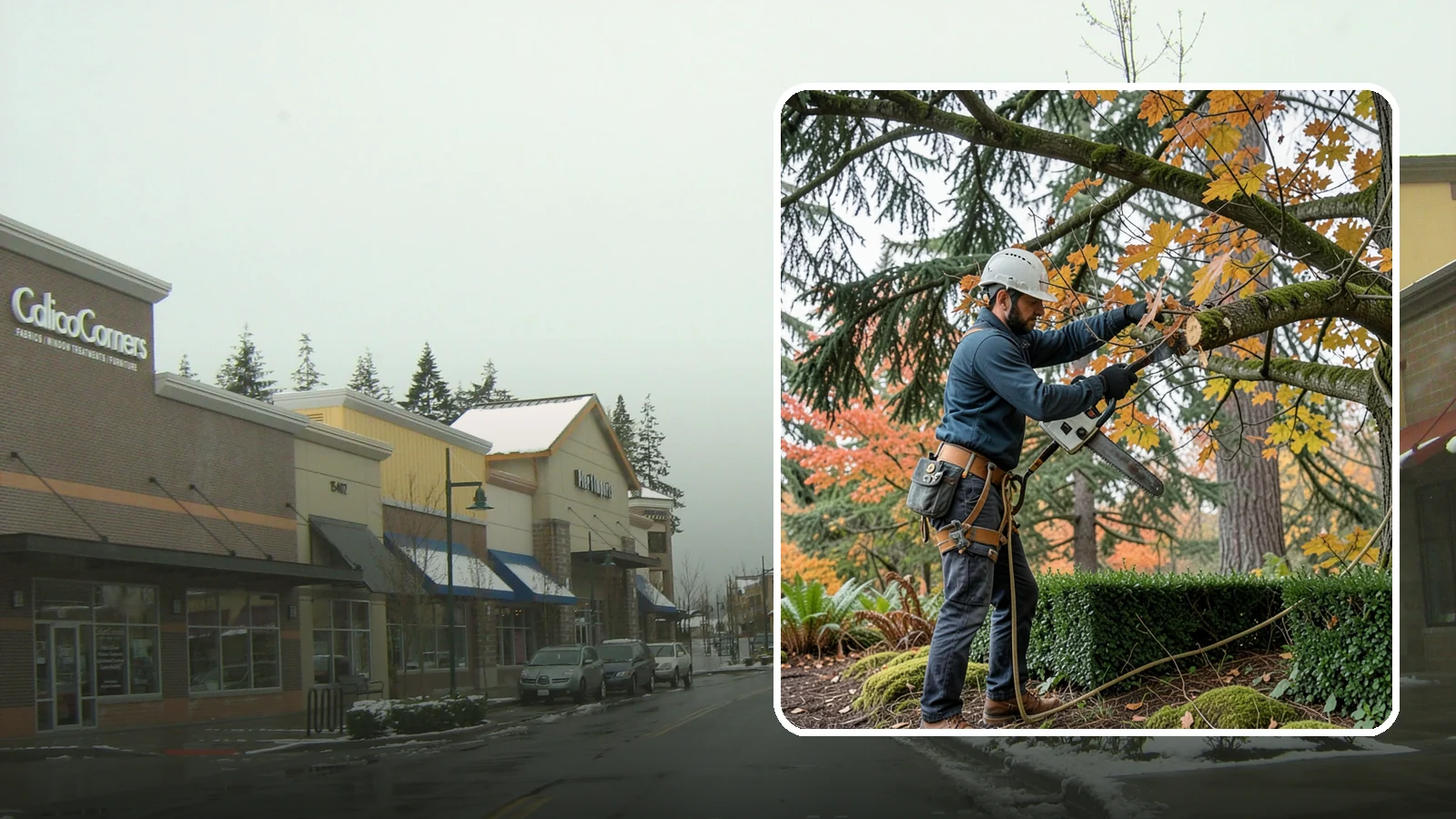
Mill Creek Hedge Trimming
The shaping and maintenance of hedges.
The hedge along the fence line has gone shaggy. Green shoots stick out past the flat face, the top has gone lumpy, and the lower part looks thin and brown where light no longer reaches. That is usually the point when owners start looking for trimming help.
Hedge trimming is more than a tidy edge. Timing, cut depth, and the shape of the sides all affect how well the plants fill back in. This page explains what causes the overgrown look in Mill Creek and how the work is done.
About Hedge Trimming in Mill Creek
We provide professional hedge trimming to help keep your ornamental plantings dense, healthy, and well-formed throughout the growing season. This essential maintenance is perfect for homeowners who want their shrubs to look tidy while supporting strong growth and flowering. Our trained crews are ready to assist with shaping hedges that define your landscape’s appearance.
What Mill Creek Hedge Trimming Includes
Hedge trimming focuses on the precise shaping and ongoing care of your ornamental shrubs to maintain a neat, defined form. We perform this work using methods tailored specifically to each plant species, current site conditions, and available access points. The goal is always to preserve the health of your plants while achieving the shape you desire for your garden.
Mill Creek Hedge Trimming Process
Our team begins by assessing the condition of your hedges and discussing your specific objectives for their appearance. We then select cuts that match the natural growth habits of each species and avoid removing too much live material at once. After shaping and thinning as needed, we carefully clean up all trimmings to leave your property looking fresh and organized.
Equipment We Use for Mill Creek Hedge Trimming
To handle this work safely and effectively, our crews use a variety of tools including hedge trimmers, hand pruners, and pole saws when necessary. We also bring collection equipment to haul away the resulting debris so it does not clutter your yard or garden beds. All personnel wear appropriate personal protective gear while operating these powerful machines around your home.
Mill Creek Hedge Trimming Safety & Best Practices
Safety is a priority as we prune only during times that reduce stress on the plant, such as avoiding heavy cuts when active growth is occurring. We ensure all powered trimmers are used with proper eye protection and keep our tools sharp to prevent slipping or injury. By following recognized arboricultural standards, we protect both your plants from damage and you from potential hazards while working near structures.
Signs You Need Hedge Trimming in Mill Creek
You may need this service if your hedges have become overgrown, neglected, or show signs of thinning in the interior due to improper past cuts. If pests or disease are affecting your shrubs, proper trimming can help manage their spread when done correctly by a trained professional. Additionally, if you notice that flowering is being disrupted because shearing happened at the wrong time, we can adjust our approach for future visits.
What Affects the Cost of Hedge Trimming in Mill Creek
The price of this service depends on factors such as the overall size of your hedges and how easily equipment crews can access them. Plant species that require specialized pruning techniques or a high volume of trimmings to dispose of will also influence the final cost. Site-specific obstacles like tight walkways or nearby structures may further impact how we approach the job, affecting both time and resources needed.
Best Time of Year for Mill Creek Hedge Trimming
In our local climate, it is best to schedule hedge trimming during dormancy or early spring to avoid disrupting flowering cycles in your ornamental shrubs. We strictly advise against over-shearing when active growth is occurring, as this can harm the plant’s ability to bloom properly later in the season. Planning for these specific windows ensures that your hedges remain healthy and vibrant year after year without unnecessary stress from pruning activities.
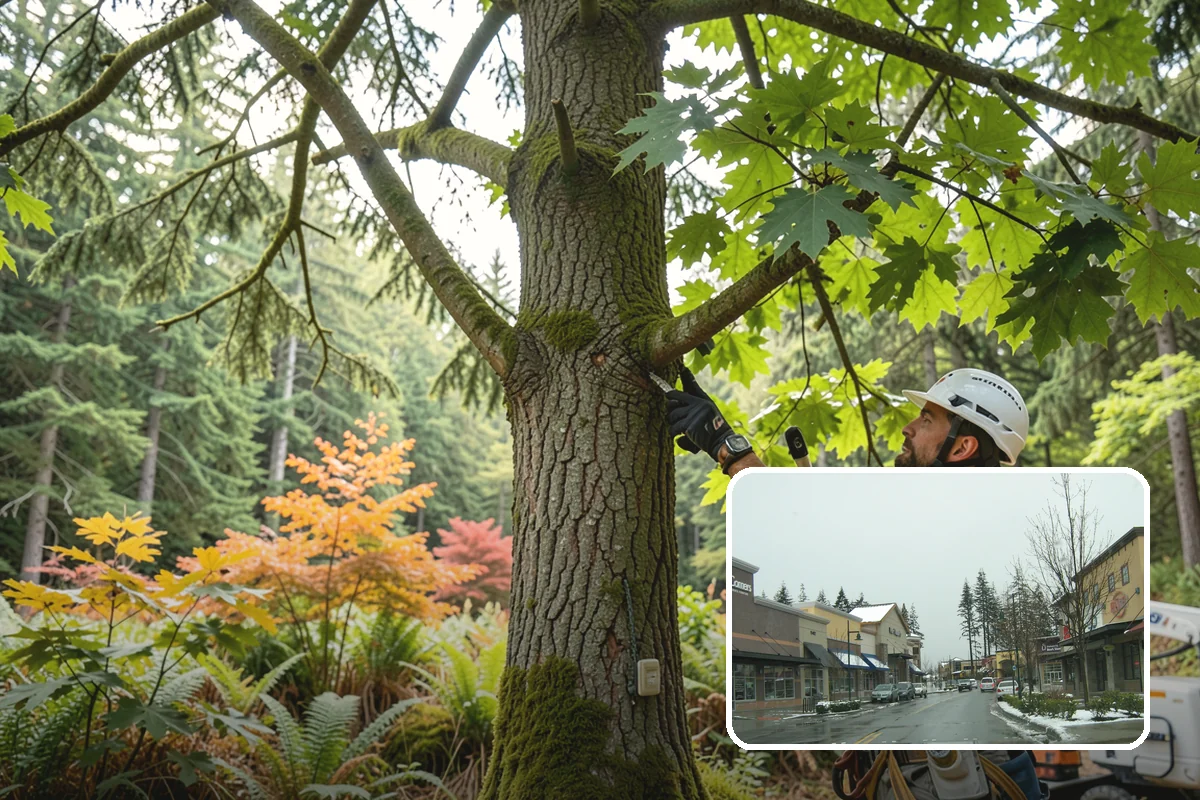
Why hedges get overgrown in Mill Creek, and how we trim them
Hedges thicken at the tips. New shoots at the outer surface shade the inner branches, and the inner branches then drop their leaves. Each year without trimming, the green layer gets thinner and the bare wood behind it grows larger. That is why a hedge left alone can look full from a distance and hollow up close.
What local conditions mean for timing
Daymet climate data for 2005-2025 shows that 79% of Mill Creek's yearly rain and snow falls from October to April. Wet months mean cut surfaces stay damp longer, and that is a reason to plan routine shearing for drier parts of the year instead of the middle of the wet season. Growth also tends to come in spring, so a light trim afterward keeps shape without removing much.
The USDA 2023 map places Mill Creek in hardiness zone 8b, with parts of the city running 8b to 9a. That tells us winters are mild enough for many common hedge plants, so the main question is usually the plant's own growth habit, not cold damage. We look at the species before deciding how hard to cut.
Satellite tree-canopy data (USFS/NLCD 2025) puts Mill Creek among the most heavily treed Puget Sound cities we compared. For a hedge, that often means competing shade from taller trees nearby. A hedge in shade grows thinner and leans toward light, so we check where the light is coming from before shaping it.
How the work goes
We start by looking at the plant type, the current shape, and any dead or crowded sections. Deadwood, or less than 10% of live tissue, can be removed at almost any time, according to the WSU Extension Pacific Northwest Gardener's Handbook, Chapter 23. That lets us clean out dead growth even when a full shaping is better left for later.
For shaping, we keep the sides slightly wider at the base than at the top, so lower branches still get light. We cut back in modest steps instead of taking a hedge down to bare wood, because many species do not resprout well from old, leafless stems. If a hedge has already gone bare inside, we explain the options before cutting.
Mill Creek tree conditions at a glance
| USDA hardiness zone | 8b (8b to 9a across the city) |
|---|---|
| Rain and snow falling October to April | 79% of the year’s total |
| Tree canopy | Among the most heavily treed Puget Sound cities (satellite data) |
| Days that freeze at night and thaw by day | 35 a year |
| Electric utility | Snohomish County PUD |
Trees near the power line to your house
Snohomish County PUD: PUD "does not maintain vegetation around service lines or standalone communication lines." Customer must keep 5 ft clearance on all sides of the service drop (10 ft diameter), except the first 10 ft nearest the primary line which the PUD trims.
Customer Service Regulations list tree trimming as a non-routine disconnection/reconnection of residential service;00 each on overtime. Customers must not cut/disconnect the drop themselves (tampering charge).
Tree/vegetation questions: 425-783-5579 (Mon-Fri 7am-3pm) or [email protected]. Utility page.
Any fee for a disconnect is set by the utility.
Sources: Daymet daily weather (NASA/ORNL), NOAA Storm Events, USDA plant hardiness map 2023, NRCS soil survey, USGS elevation, WA DNR landslide inventory, USDA Forest Service aerial survey, WSDA, city tree assessments and street-tree inventories, SILVIS Lab, Arbor Day Foundation, and official city and utility pages.
Hedge Trimming Serving Mill Creek
Mill Creek
Also serving Mill Creek
- Pittosporum Trimming in Mill Creekat Washington Landscaping
- Irrigation Repair in Mill Creekat Washington City Services