Where Safety Meets Expert Tree Service.

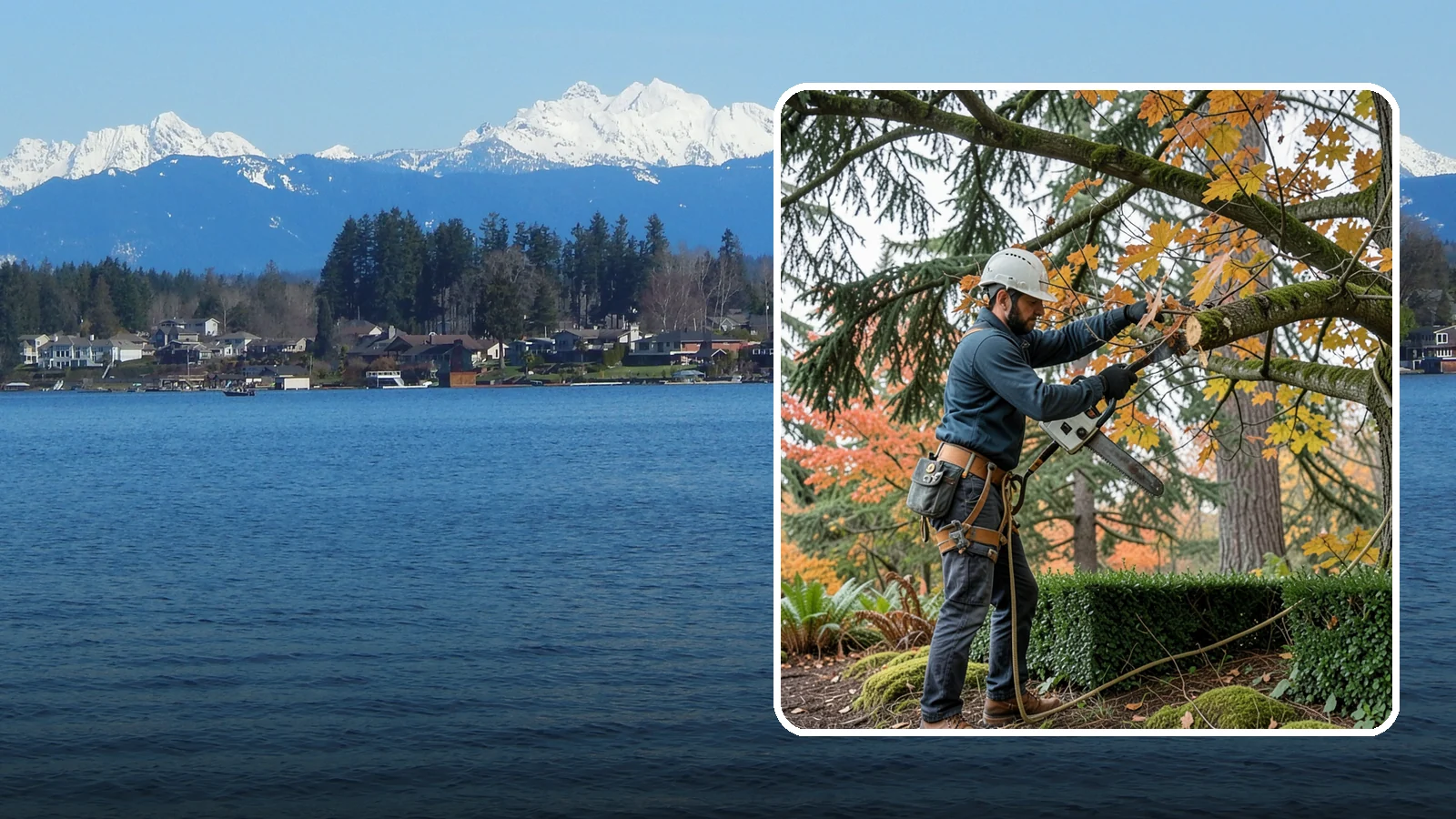
Lake Stevens Hedge Trimming
The shaping and maintenance of hedges.
In Lake Stevens, the easiest window for hedge trimming is the drier part of the year, after the wet season ends. Roughly 78% of the yearly rain and snow falls from October to April (Daymet, 2005-2025), so trimming in late spring through early fall means drier foliage, firmer ground and fewer soggy cuttings.
If your hedge is thick, uneven or leaning into a walkway, plan the visit before it gets harder to reach. Here is how we approach planning, scope and the day itself.
About Hedge Trimming in Lake Stevens
We provide professional hedge trimming to help keep your ornamental plantings dense, healthy, and well-formed throughout the growing season. This essential maintenance is perfect for homeowners who want their shrubs to look tidy while supporting strong growth and flowering. Our trained crews are ready to assist with shaping hedges that define your landscape’s appearance.
What Lake Stevens Hedge Trimming Includes
Hedge trimming focuses on the precise shaping and ongoing care of your ornamental shrubs to maintain a neat, defined form. We perform this work using methods tailored specifically to each plant species, current site conditions, and available access points. The goal is always to preserve the health of your plants while achieving the shape you desire for your garden.
Lake Stevens Hedge Trimming Process
Our team begins by assessing the condition of your hedges and discussing your specific objectives for their appearance. We then select cuts that match the natural growth habits of each species and avoid removing too much live material at once. After shaping and thinning as needed, we carefully clean up all trimmings to leave your property looking fresh and organized.
Equipment We Use for Lake Stevens Hedge Trimming
To handle this work safely and effectively, our crews use a variety of tools including hedge trimmers, hand pruners, and pole saws when necessary. We also bring collection equipment to haul away the resulting debris so it does not clutter your yard or garden beds. All personnel wear appropriate personal protective gear while operating these powerful machines around your home.
Lake Stevens Hedge Trimming Safety & Best Practices
Safety is a priority as we prune only during times that reduce stress on the plant, such as avoiding heavy cuts when active growth is occurring. We ensure all powered trimmers are used with proper eye protection and keep our tools sharp to prevent slipping or injury. By following recognized arboricultural standards, we protect both your plants from damage and you from potential hazards while working near structures.
Signs You Need Hedge Trimming in Lake Stevens
You may need this service if your hedges have become overgrown, neglected, or show signs of thinning in the interior due to improper past cuts. If pests or disease are affecting your shrubs, proper trimming can help manage their spread when done correctly by a trained professional. Additionally, if you notice that flowering is being disrupted because shearing happened at the wrong time, we can adjust our approach for future visits.
What Affects the Cost of Hedge Trimming in Lake Stevens
The price of this service depends on factors such as the overall size of your hedges and how easily equipment crews can access them. Plant species that require specialized pruning techniques or a high volume of trimmings to dispose of will also influence the final cost. Site-specific obstacles like tight walkways or nearby structures may further impact how we approach the job, affecting both time and resources needed.
Best Time of Year for Lake Stevens Hedge Trimming
In our local climate, it is best to schedule hedge trimming during dormancy or early spring to avoid disrupting flowering cycles in your ornamental shrubs. We strictly advise against over-shearing when active growth is occurring, as this can harm the plant’s ability to bloom properly later in the season. Planning for these specific windows ensures that your hedges remain healthy and vibrant year after year without unnecessary stress from pruning activities.
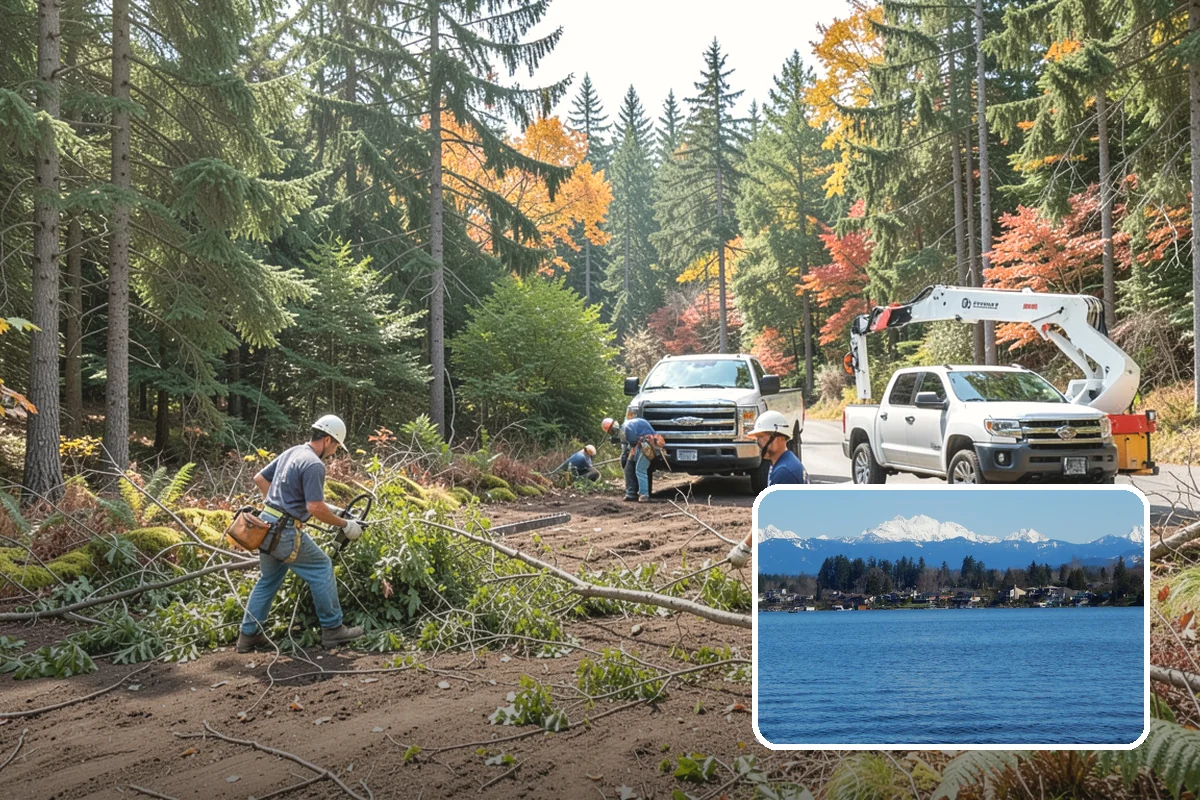
Planning a hedge trim in Lake Stevens
Start by walking the hedge and noting what you want: a lower height, a cleaner face, or a narrower profile. Tell us about any fence, wire or neighbor's property line close to the hedge. These shape how we work.
What affects scope
Height, length and density matter most. A hedge that has been trimmed regularly takes light cuts. One that has grown out takes more judgment, because many hedge species do not regrow from old bare wood. Standard practice is to cut back in stages and keep some green growth on each branch. Access also counts: slopes, tight side yards and nearby plantings change how we set up and how we handle debris.
Plant health is part of scope too. If a cherry laurel or other cherry-family hedge shows bacterial canker, WSU HortSense advises pruning it out in dry weather, well below the canker, and sterilizing tools often. That is another reason to schedule in the drier months, and it means diseased material gets cut and bagged separately instead of mixed into general clippings.
Wind is worth a thought as well. The forecast zone that includes Lake Stevens recorded 40 high and strong wind episodes from 2005 to 2025. A tall, flat-topped hedge catches wind, and dense growth can shed branches or lean. Thinning and a slight taper, wider at the base, can help it hold its shape.
On the day
We confirm the target height and shape with you before the first cut. Our ISA Certified Arborist is on staff, and we offer free estimates if you want to talk through the job first. We trim with hand or powered shears, keep the top level or gently rounded, and clear the clippings unless you want them left for mulch. If the hedge sits near a protected tree or something else the city may regulate, we check with the city before work starts.
One practical tip: mark the height you want with string and stakes before we arrive. It removes guesswork and keeps the result close to what you pictured.
Lake Stevens tree conditions at a glance
| USDA hardiness zone | 8b |
|---|---|
| Rain and snow falling October to April | 78% of the year’s total |
| Days that freeze at night and thaw by day | 40 a year |
| Electric utility | Snohomish County PUD |
Trees near the power line to your house
Snohomish County PUD: PUD "does not maintain vegetation around service lines or standalone communication lines." Customer must keep 5 ft clearance on all sides of the service drop (10 ft diameter), except the first 10 ft nearest the primary line which the PUD trims.
Customer Service Regulations list tree trimming as a non-routine disconnection/reconnection of residential service;00 each on overtime. Customers must not cut/disconnect the drop themselves (tampering charge).
Tree/vegetation questions: 425-783-5579 (Mon-Fri 7am-3pm) or [email protected]. Utility page.
Any fee for a disconnect is set by the utility.
Sources: Daymet daily weather (NASA/ORNL), NOAA Storm Events, USDA plant hardiness map 2023, NRCS soil survey, USGS elevation, WA DNR landslide inventory, USDA Forest Service aerial survey, WSDA, city tree assessments and street-tree inventories, SILVIS Lab, Arbor Day Foundation, and official city and utility pages.
Hedge Trimming Serving Lake Stevens
Lake Stevens
Hedge trimming in nearby areas
Also serving Lake Stevens
- Holly Hedge Trimming in Lake Stevensat Washington Landscaping
- Turf Mowing in Lake Stevensat Washington City Services