Where Safety Meets Expert Tree Service.

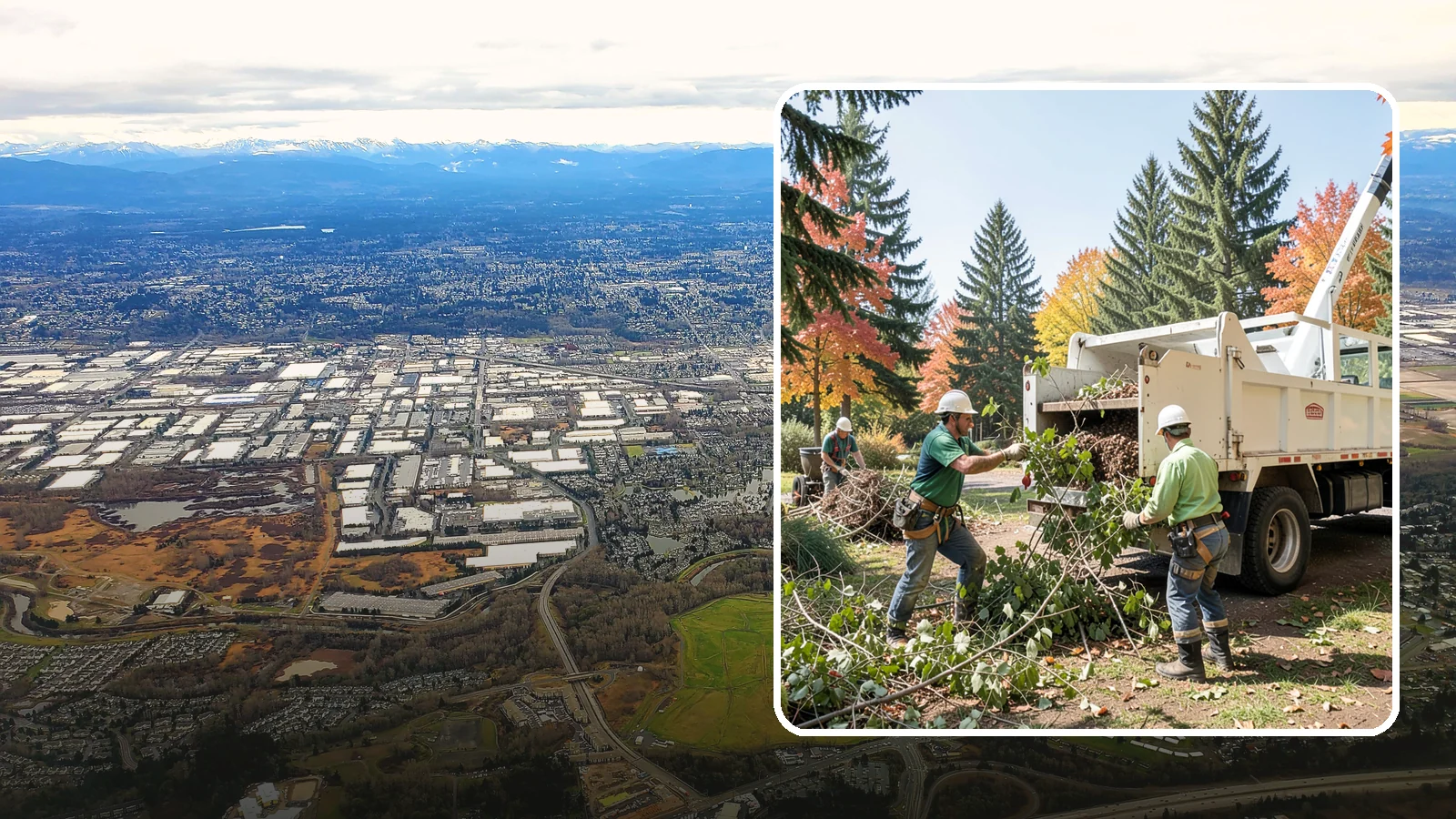
Kent Green Waste Hauling
The removal and disposal of green waste.
When should you book a green waste haul in Kent? Usually after the work that makes the pile, such as pruning, hedge cutting or storm cleanup, and before the wet months bury it. Branches, leaves and trimmings are easier to load when they are dry and stacked in one place.
Hauling means we load the debris and take it off your property so you are not left with a growing heap. Below are a few points that affect timing and where the material can go.
About Green Waste Hauling in Kent
Green waste hauling helps homeowners manage organic debris left behind after tree work or other landscaping projects. Our trained crews are ready to remove these materials so your property stays clean and safe for the family. We handle every job with care, ensuring that cleared sites remain tidy while supporting responsible reuse of natural resources.
What Kent Green Waste Hauling Includes
This service focuses on the complete removal and disposal of green waste from your site. It is designed specifically to clear organic debris following tree maintenance or storm cleanup activities. By turning removed wood into usable products, we reduce your disposal burden and keep your yard free of clutter.
Kent Green Waste Hauling Process
We begin by sorting material based on its type and size before moving it through our processing systems. Depending on the needs of each job, we will chip, cut, mill, or load the debris as appropriate for further use. Once processed to meet quality requirements, we haul away the waste or deliver usable products while thoroughly cleaning up the work area.
Equipment We Use for Kent Green Waste Hauling
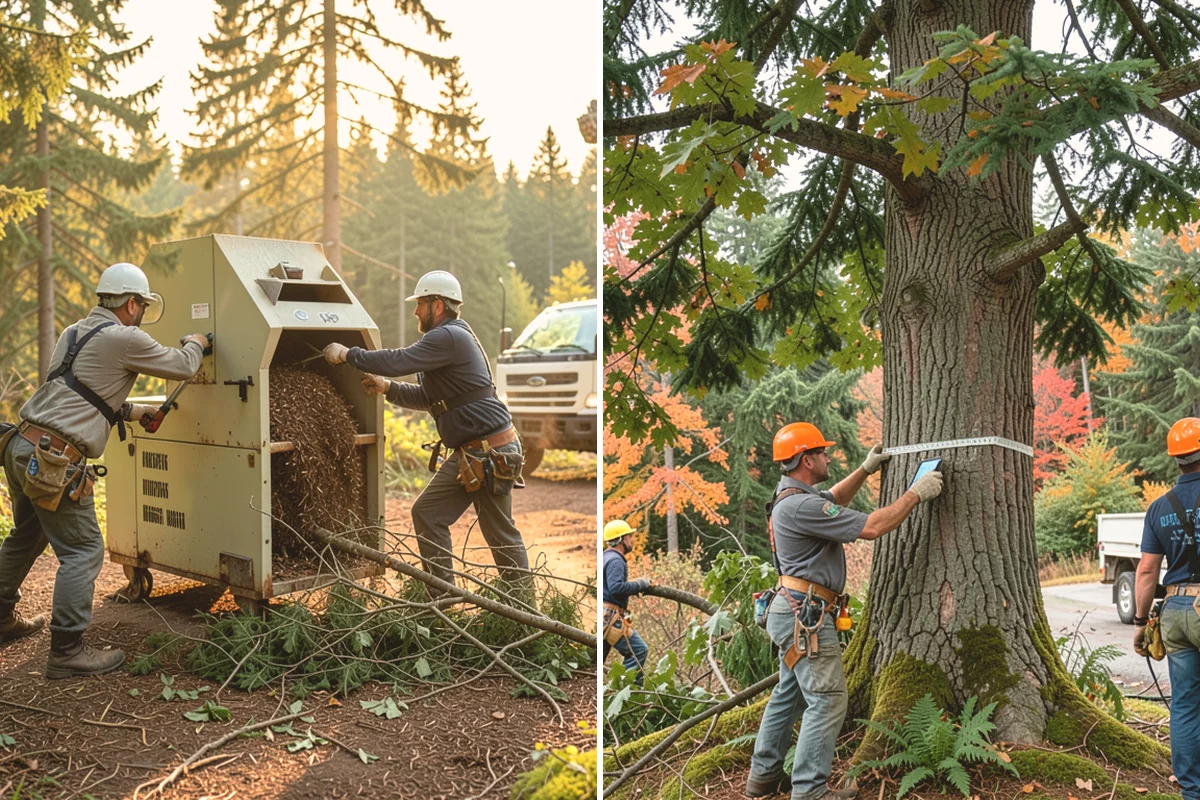
Our crews utilize wood chippers and chainsaws to break down branches and logs efficiently. Loaders and hauling vehicles are used to transport materials safely from your site to processing facilities or reuse centers. When necessary, milling equipment is brought in to create higher-value products from the organic material collected on location.
Kent Green Waste Hauling Safety & Best Practices
Safety is a top priority as we keep hands and bystanders clear of feed equipment during operation. All loads are securely fastened before transport, and our team wears essential eye and hearing protection throughout the day. We also handle logs with proper technique using appropriate equipment to prevent accidents while working around your property.
Signs You Need Green Waste Hauling in Kent
You may need this service if you have recently completed tree work that leaves behind piles of branches or brush. Situations involving oversized material, embedded metal objects, or access limits for standard vehicles often require our specialized approach. If high moisture levels are affecting the quality of your debris product, we can help manage those challenges effectively.
What Affects the Cost of Green Waste Hauling in Kent
The price is influenced by the total volume and type of green waste present at your site. Site access limitations that restrict hauling vehicles will also impact the overall cost of removal and transport. Additionally, factors like embedded metal requiring specialized handling or moisture content affecting final product quality play a role in determining fees.
Best Time of Year for Kent Green Waste Hauling
This service can be performed year-round to clear organic debris after any tree work project is finished. However, homeowners should note that wet seasons may present challenges as high moisture levels reduce the quality of green waste products. We adjust our methods and timing based on site conditions to ensure consistent results regardless of the season.

Green waste hauling in Kent: timing and where it goes
Plan around the wet season
Daymet climate data for 2005 to 2025 shows that 81% of Kent's yearly rain and snow falls from October to April. That matters for a haul. Wet leaves and branches are heavy, and piles left on lawns or driveways can turn slick and messy. If you are cutting back shrubs or trees, scheduling the haul for the drier months keeps the material lighter and the ground less torn up by loading.
Yard waste stays inside the quarantine area
King County is inside the WSDA apple maggot quarantine. Homegrown fruit and yard waste may not be moved out of the quarantine area into pest-free areas. For you, that means a pile of trimmings or fallen fruit should not be driven somewhere outside the quarantine on your own. If you have an apple or pear tree dropping fruit, tell us when you call so the debris is handled with that rule in mind.
Growth and what you can expect to haul
The USDA 2023 hardiness map places Kent in zone 8b, with parts of the city ranging from 8b to 9a. That is a map of average winter lows, not a promise about any one yard. Still, it helps explain why many landscape plants here keep growing vigorously, so hedges and fast growers can produce a lot of clippings in a single season. Think about how much you will cut before choosing a haul size.
How to prepare
- Pile material in one spot with easy access for loading.
- Keep trash, soil, rocks and treated lumber out of the green waste.
- Cut long limbs into manageable lengths if you can do it safely.
- Set fallen fruit aside and let us know it is there.
Call or text 425-484-4442 for a free estimate. We will look at the pile and agree on the work before anything is loaded.
Kent tree conditions at a glance
| Land under dense tree cover (50%+ canopy) | 15% |
|---|---|
| Rain and snow falling October to April | 81% of the year’s total |
| Days with 0.1 in or more of rain | 117 a year |
Tree health near Kent
Spongy moth (WSDA 2025): WSDA trap detection(s): 9 moth(s) in 7 trap catch record(s).
Spongy moth (WSDA 2024): WSDA trap detection(s): 7 moth(s) in 6 trap catch record(s).
- Decline, cause not identified6,473 ac
- Heat3,709 ac
- Bears951 ac
Forest damage mapped from the air within 10 km of Kent, 2021-2025 (USDA Forest Service and WA DNR). This covers forest land, not street or yard trees. “Decline, cause not identified” is dieback with no single cause found.
Sources: Daymet daily weather (NASA/ORNL), NOAA Storm Events, USDA plant hardiness map 2023, NRCS soil survey, USGS elevation, WA DNR landslide inventory, USDA Forest Service aerial survey, WSDA, city tree assessments and street-tree inventories, SILVIS Lab, Arbor Day Foundation, and official city and utility pages.
Green Waste Hauling Serving Kent
Kent

Green waste hauling in nearby areas
Also serving Kent
- Mixed Softwood Firewood in Kentat Washington Firewood
- Decorative Mulch Installation in Kentat Washington Landscaping