Where Safety Meets Expert Tree Service.
About Invasive Vegetation Removal in Des Moines
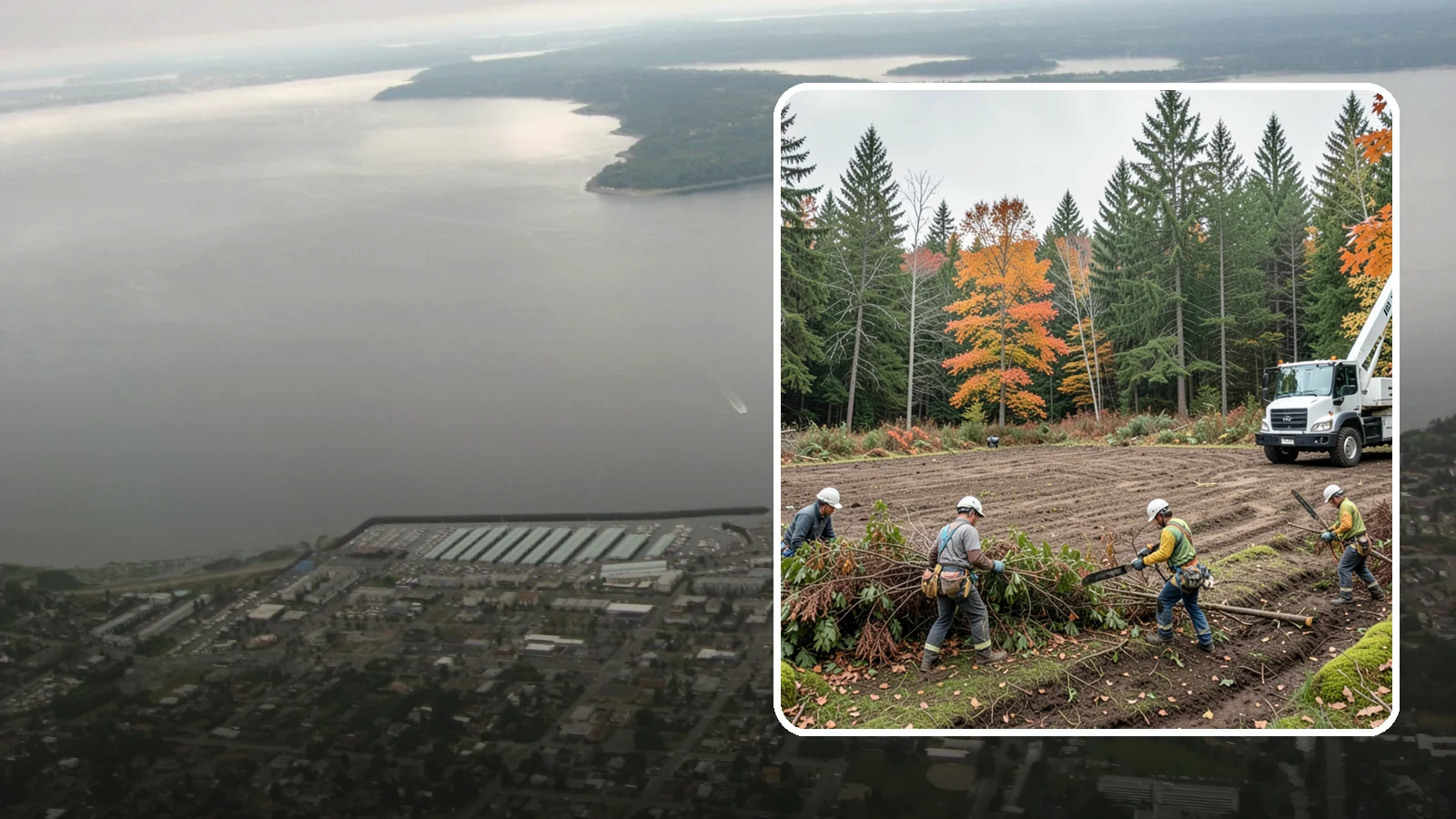
We help homeowners manage overgrown areas by safely removing invasive plant species that threaten your property’s health. Our team is dedicated to restoring site conditions so you can enjoy a safer and more usable outdoor space. This service supports native vegetation while addressing common issues like dense, thorny growth or fire hazards.
What Des Moines Invasive Vegetation Removal Includes
Invasive vegetation removal focuses on clearing unwanted plants to protect existing trees and improve overall land quality. We use methods tailored to your specific site conditions, ensuring that retained features remain safe during the process. The goal is to eliminate invasive species while preparing your land for its intended future use.
Des Moines Invasive Vegetation Removal Process
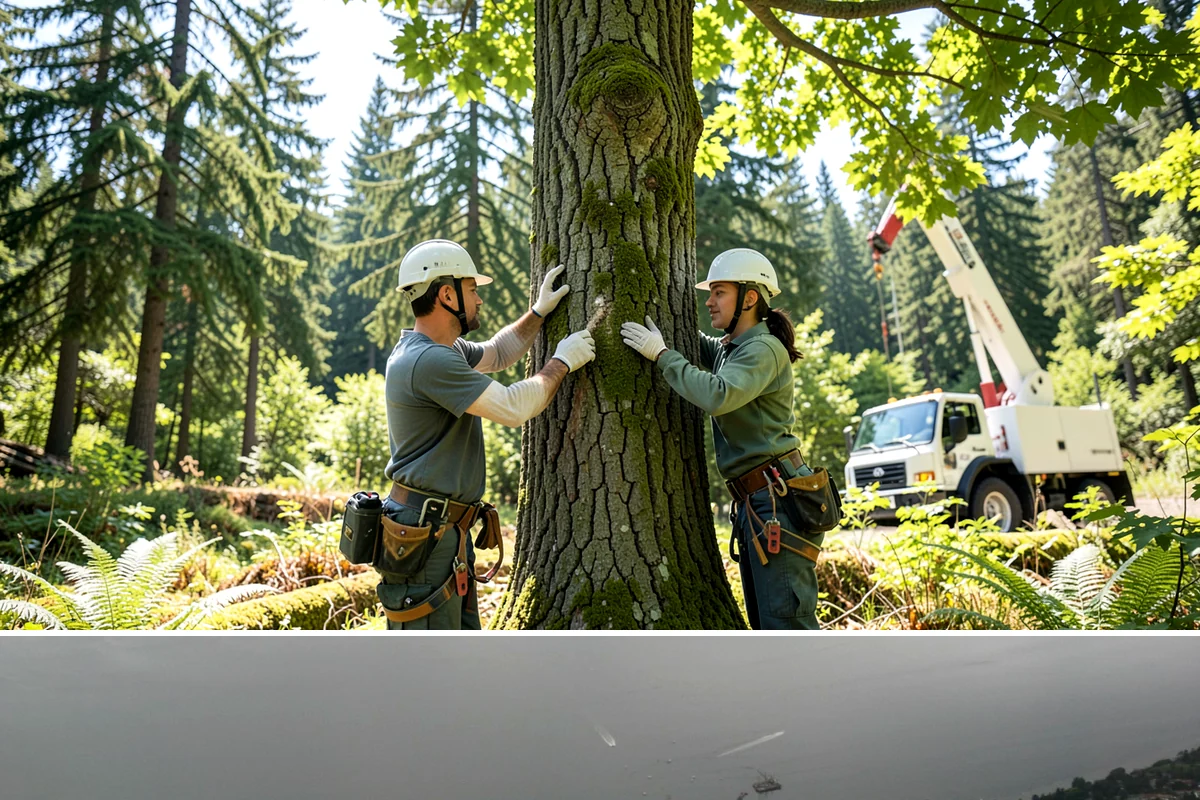
Our trained crews begin by assessing your property and marking important features they need to protect throughout the job. Vegetation is cleared in a planned sequence using appropriate techniques matched to each tree species and access point. After clearing, we process materials, tidy the area as needed, and responsibly dispose of all debris left behind.
Equipment We Use for Des Moines Invasive Vegetation Removal
To handle various growth types effectively, our crews utilize brush cutters, chainsaws, chippers, and hauling equipment alongside hand tools. We also wear full personal protective gear to ensure everyone stays safe while working around uneven terrain or hidden obstacles. The right combination of machinery allows us to tackle even the densest patches without damaging your retained trees.
Des Moines Invasive Vegetation Removal Safety & Best Practices
Safety is a priority as we identify property lines, utilities, and features that must be kept intact during clearing operations. Our team carefully manages debris piles to prevent hazards while watching for uneven ground or wet spots on steep sites. We take extra care to protect the root zones of any healthy trees you want to keep standing after the work is done.
Signs You Need Invasive Vegetation Removal in Des Moines
You may need this service if your site has dense, thorny growth that limits access and makes outdoor activities difficult. Signs include invasive species continuing to regrow despite previous attempts or vegetation creating a fuel load that increases fire risk. If uneven terrain or wet conditions are making parts of your yard unusable, clearing these areas can restore their function.
What Affects the Cost of Invasive Vegetation Removal in Des Moines
The price for this work depends on factors like how dense the vegetation is and whether it has thorny characteristics that slow down removal. Uneven or difficult-to-access terrain will also influence the cost, as will our commitment to responsibly disposing of all debris generated during the project. These variables ensure we provide a fair quote based strictly on your specific site conditions rather than fixed rates.
Best Time of Year for Des Moines Invasive Vegetation Removal
While work can generally proceed year-round in Puget Sound weather, heavy rain may delay projects involving wet or steep sites where safety is paramount. We plan our schedules to accommodate these natural conditions and avoid starting when the ground is too saturated for safe operation. This flexibility allows us to get your land cleared whenever it fits best with your needs while maintaining high safety standards.
Invasive Vegetation Removal Serving Des Moines
Des Moines
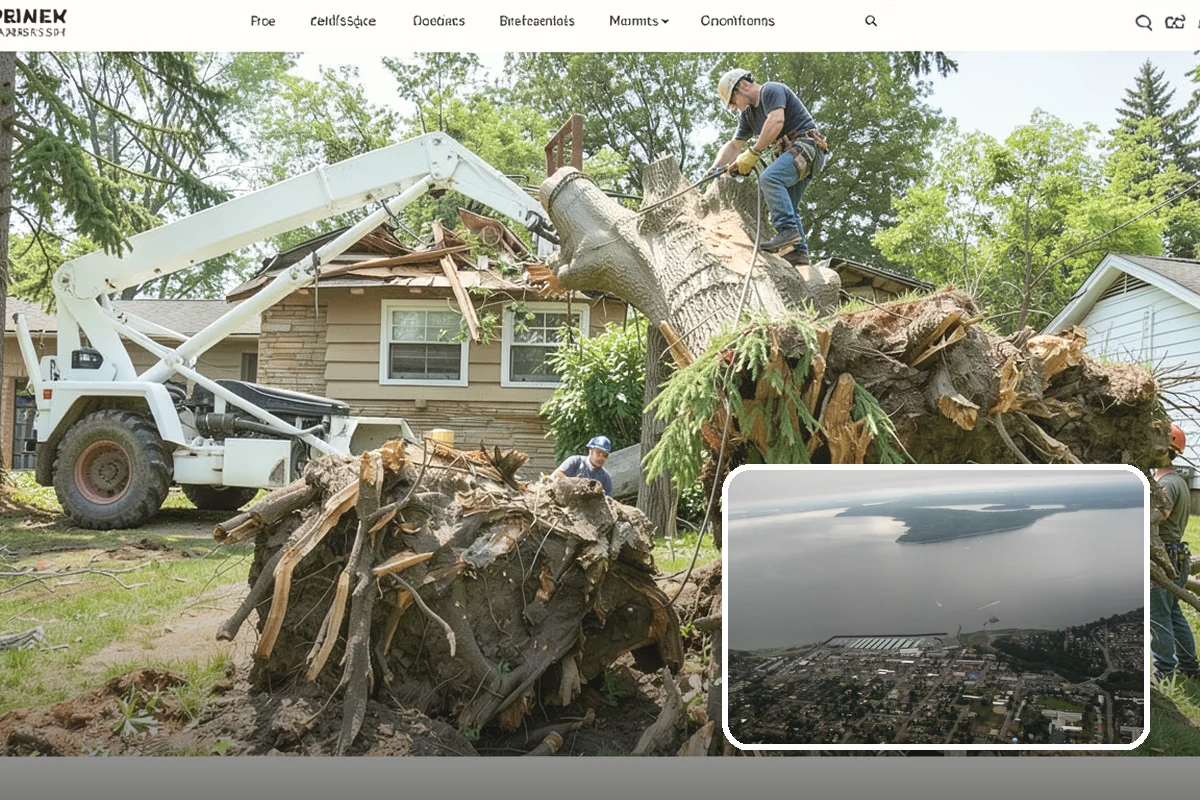
A waterfront city on Puget Sound in south King County with a marina and shoreline neighborhoods.
Growing Conditions in Des Moines
Permits & Local Notes for Des Moines
Invasive vegetation removal in nearby areas
Also serving Des Moines
- Large-Scale Landscape Construction in Des Moinesat Washington Landscaping
- House Demolition in Des Moinesat Washington Construction
- Brush Mowing in Des Moinesat Washington City Services
- Tree Removal for Firewood in Des Moinesat Washington Firewood