Where Safety Meets Expert Tree Service.

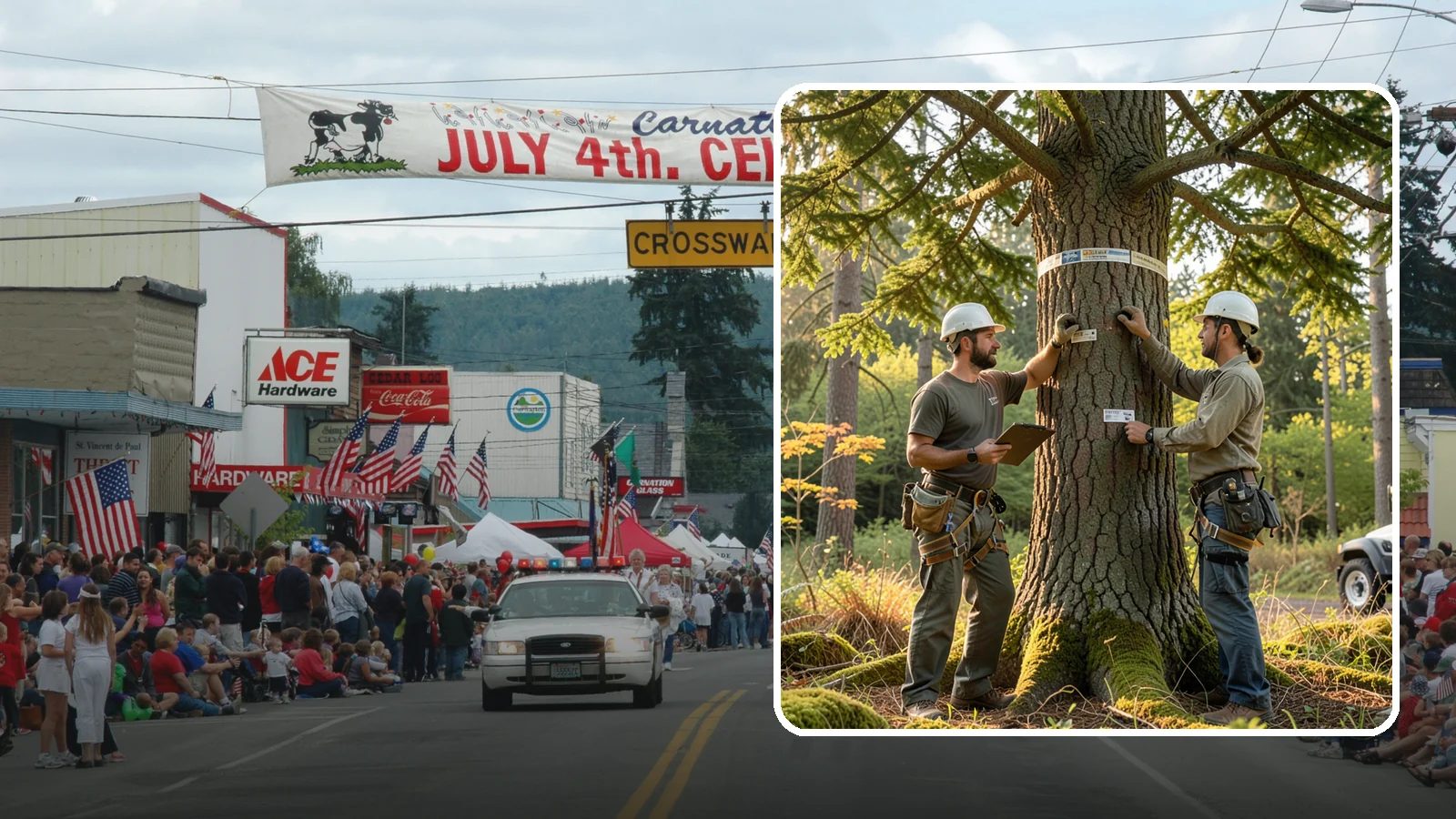
Carnation Tree inventory and tagging
The cataloguing and tagging of trees on a property.
About Tree Inventory And Tagging in Carnation
Our tree inventory and tagging service helps you understand exactly what grows on your property and how best to care for it. This approach is perfect for homeowners who want a clear plan to protect their valued trees from future issues. We work with you to create a customized strategy that supports the long-term health of your landscape.
What Carnation Tree Inventory And Tagging Includes
This Tree Health Care service involves carefully cataloguing every tree on your site and attaching tags to track its specific needs. It allows us to monitor species, condition, and maintenance requirements across the entire property without guesswork. By documenting these details now, we can catch potential problems early before they become difficult or expensive repairs later.
Carnation Tree Inventory And Tagging Process
Our trained crews begin by inspecting each tree along with its surrounding site conditions like soil quality and access points. We identify contributing factors such as pests, disease, or past construction impacts to recommend appropriate treatments for your specific trees. Once we have gathered all necessary information, we document our findings so you can follow a clear path for ongoing care.
Equipment We Use for Carnation Tree Inventory And Tagging
To get accurate results, we use diagnostic tools and soil probes to sample conditions beneath the canopy without harming roots. We also bring air excavation equipment when needed to examine root systems safely while wearing full personal protective gear. Any injection or application equipment is used strictly according to manufacturer guidelines to ensure precise treatment delivery.
Carnation Tree Inventory And Tagging Safety & Best Practices
Throughout this process, we follow strict safety practices that protect your soil and surrounding plantings from accidental damage. Our team avoids any work that could harm the trunk or roots of healthy trees while documenting their current condition accurately. We also adhere to all label instructions for any products used during inspection or treatment application.
Signs You Need Tree Inventory And Tagging in Carnation
You may need this service if you notice signs like compacted soil, girdling roots, or decline caused by recent grade changes on your property. It is especially helpful when pests and disease are present but not immediately obvious without a detailed site assessment. This inventory gives you peace of mind knowing that maintenance needs for every tree have been properly identified.
What Affects the Cost of Tree Inventory And Tagging in Carnation
The investment for this service depends on how easy it is to access different parts of your yard and the density of trees in each area. Costs also vary based on species diversity, soil conditions that require special sampling equipment, and the complexity of documenting care needs across a large site. We tailor our approach to match your specific property layout so you get accurate data without unnecessary expenses.
Best Time of Year for Carnation Tree Inventory And Tagging
In Washington’s Puget Sound climate, we can perform this inventory year-round since most trees remain active or dormant in ways that allow for safe assessment. However, during wet winter seasons, we may adjust our schedule because heavy rain makes ground-based tagging difficult and requires extra protective measures. We will work with you to find a time when conditions are right for thorough inspection without risking damage to your landscape.

Tree Inventory And Tagging Serving Carnation
Carnation
A small city in the Snoqualmie River valley of rural east King County, historically a farming community.
Growing Conditions in Carnation
Permits & Local Notes for Carnation

Tree inventory and tagging in nearby areas
Also serving Carnation
- Hedge Shaping in Carnationat Washington Landscaping
- Hedge Trimming in Carnationat Washington City Services