Where Safety Meets Expert Tree Service.

Burlington Utility line clearance pruning
Pruning to maintain safe clearance between trees and utility lines.
About Utility Line Clearance Pruning in Burlington
Utility line clearance pruning helps keep your trees safe from overhead power lines while protecting your home’s electrical infrastructure. This essential service is ideal for homeowners who want to reduce the risk of outages or accidental contact near their property. We work with you to maintain a healthy distance between branches and utility wires without harming your landscape.
What Burlington Utility Line Clearance Pruning Includes
This pruning category focuses specifically on maintaining safe clearance distances between trees and existing utility lines. The goal is to lower the chance of branch failure touching overhead cables, which can lead to dangerous outages or contact risks. Our approach matches specific cutting methods to your tree species and current site conditions for effective results.
Burlington Utility Line Clearance Pruning Process
We begin by assessing the overall canopy condition and defining clear pruning objectives for each tree on your property. Trained crews select precise cuts suited to the season and species, ensuring clean incisions that avoid over-pruning or stress. After making these strategic cuts, we carefully lower branches, process the wood, and thoroughly clean up the work area around you.
Equipment We Use for Burlington Utility Line Clearance Pruning
Our teams utilize a range of tools including hand saws, pole saws, chainsaws, and various climbing and rigging gear to reach difficult spots. When necessary, we deploy aerial lifts to access higher limbs safely while using personal protective equipment throughout the job. A wood chipper is also used on-site to efficiently manage and dispose of cut material from your property.
Burlington Utility Line Clearance Pruning Safety & Best Practices
We strictly follow recognized pruning standards to avoid making harmful cuts that could weaken a tree’s structure or health. Our crews watch closely for unstable limbs and overhead lines, using proper fall protection whenever anyone works aloft. By limiting removal to healthy amounts of live tissue, we ensure the work supports long-term vigor rather than causing stress.
Signs You Need Utility Line Clearance Pruning in Burlington
You may need this service if you notice branches growing dangerously close to power lines or structures that interfere with sightlines. Deadwood and weak unions near utility wires are also indicators that clearance pruning is required to prevent future hazards. If your tree species has specific timing sensitivities, addressing these issues early helps avoid interference with essential infrastructure.
What Affects the Cost of Utility Line Clearance Pruning in Burlington
The final cost depends on factors like the specific type of trees you have and how complex their canopy structure becomes during cutting. Site access conditions play a major role in pricing, as difficult terrain requires specialized techniques to reach certain branches. Additionally, costs are influenced by the amount of material that needs disposal after we complete our pruning work.
Best Time of Year for Burlington Utility Line Clearance Pruning
Work should be scheduled according to recognized arboricultural standards and matched to the specific seasonal timing sensitivities for your tree species. In our local Puget Sound climate, adhering to these natural cycles ensures trees heal properly without unnecessary stress from improper cuts. Planning around these windows helps maintain both the health of your landscape and safety near overhead lines year-round.
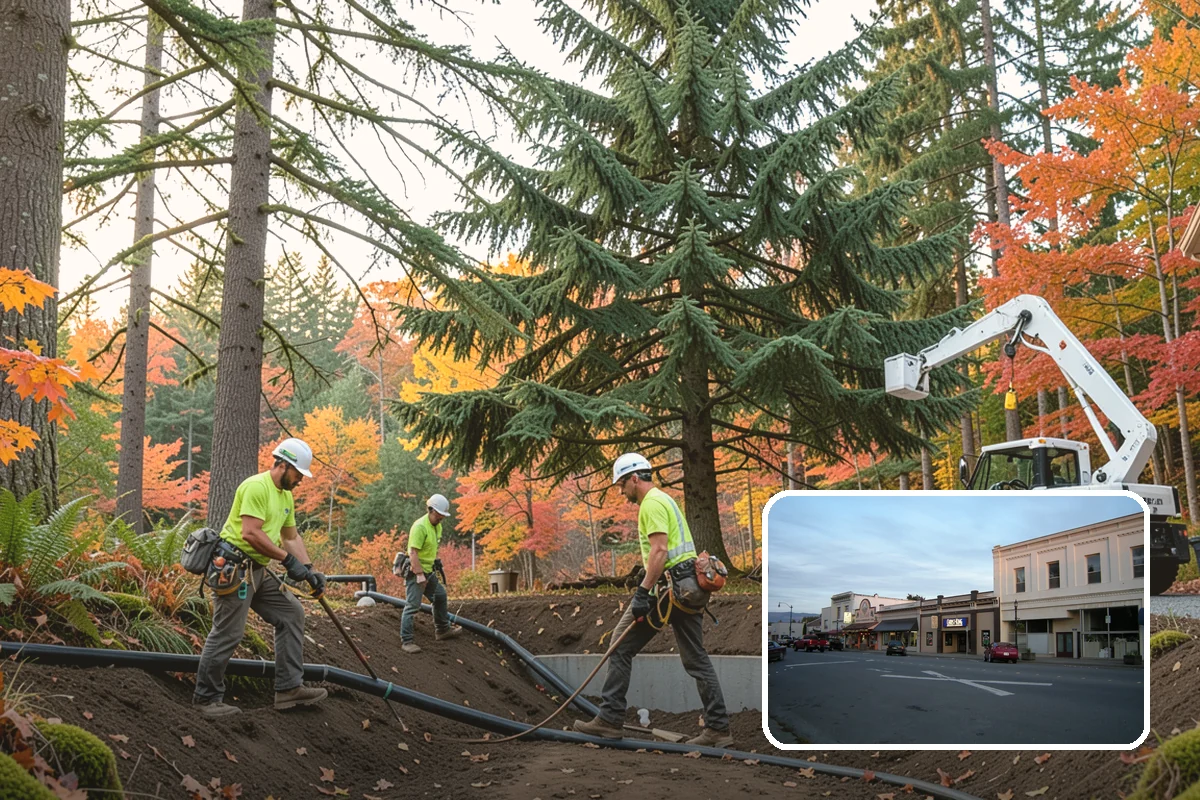
Utility Line Clearance Pruning Serving Burlington
Burlington
A city in the Skagit River valley known as a regional retail center.
Growing Conditions in Burlington

Permits & Local Notes for Burlington
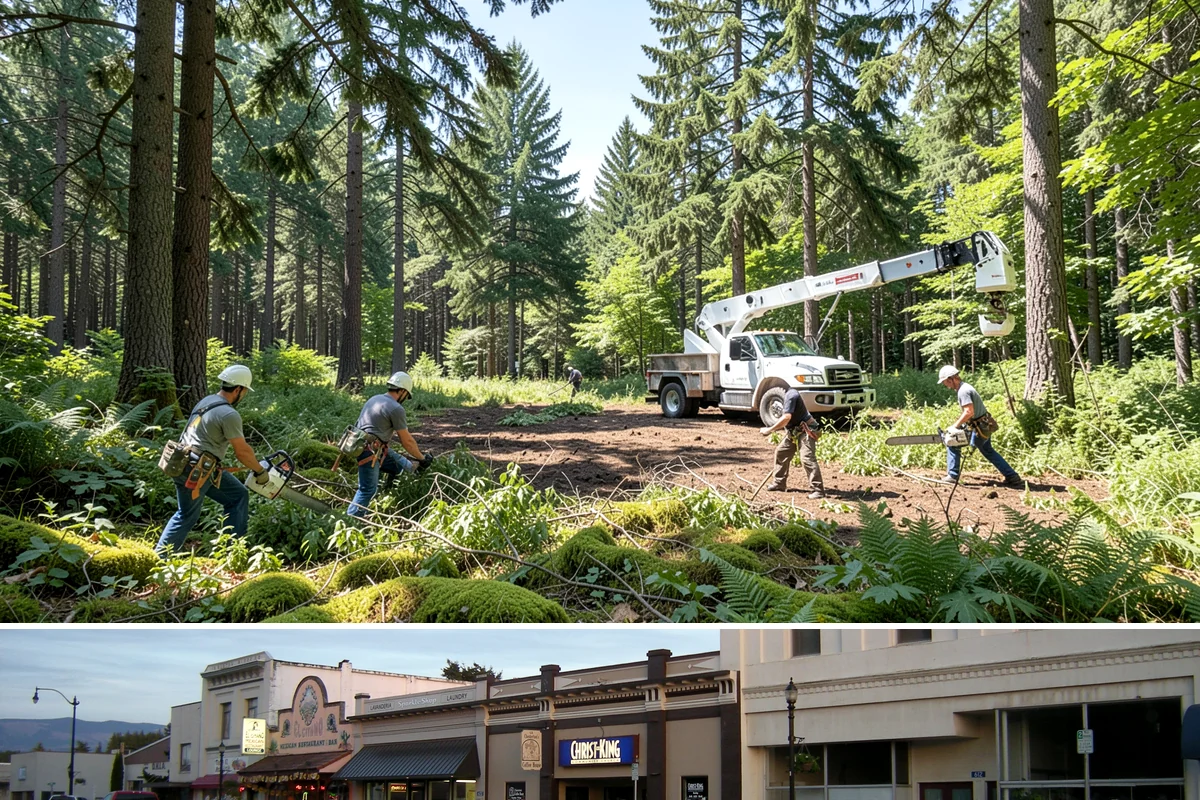
Utility line clearance pruning in nearby areas
Also serving Burlington
- Apple Tree Pruning in Burlingtonat Washington Landscaping
- Roof Debris Removal in Burlingtonat Washington Roofing
- Tree Risk Assessments in Burlingtonat Washington City Services