Where Safety Meets Expert Tree Service.

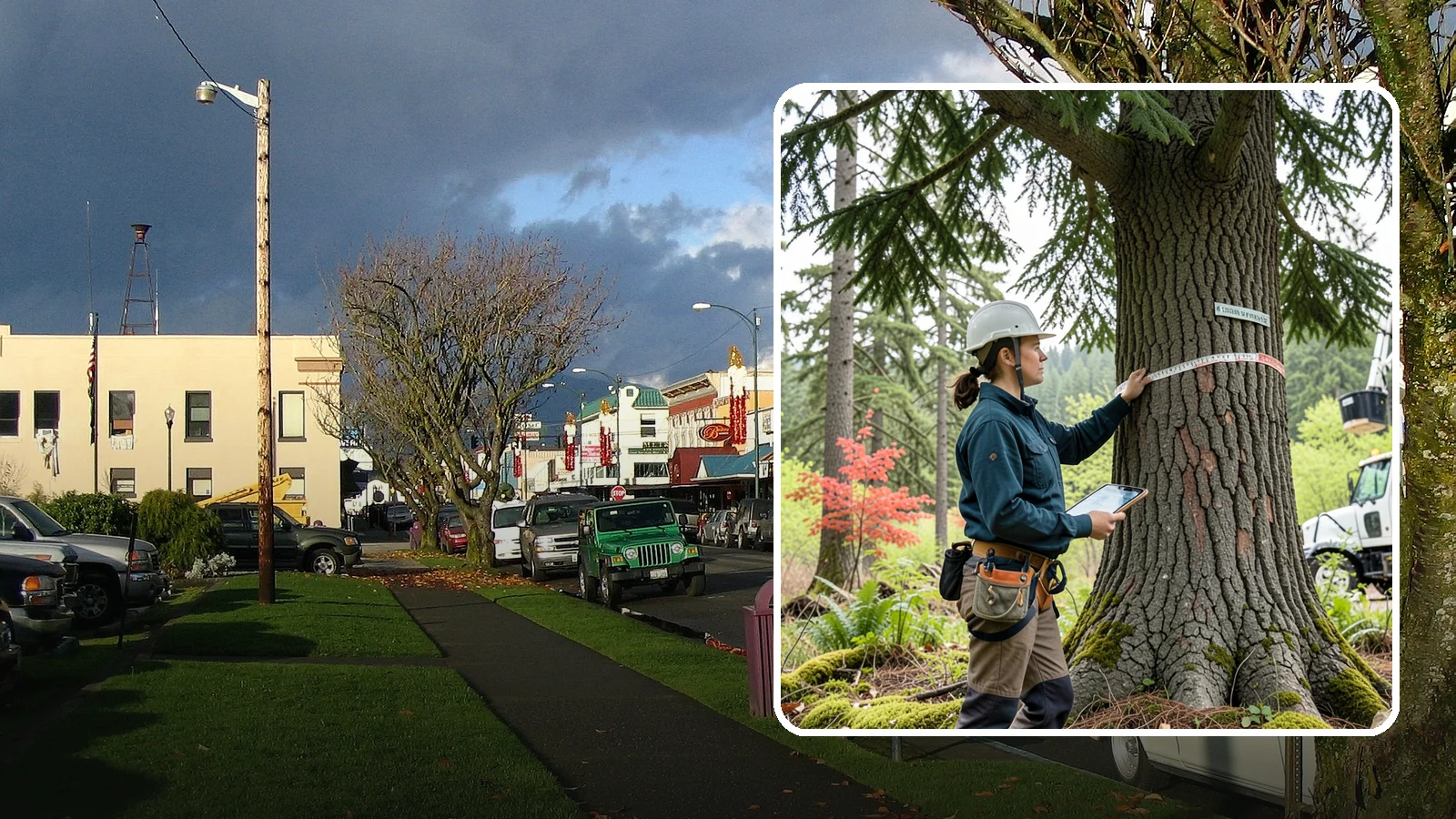
Arlington Certified arborist reports
Written reports prepared by a certified arborist.
About Certified Arborist Reports in Arlington
Our certified arborist reports provide expert documentation that helps homeowners make informed decisions about their property trees. Whether you need support for permitting or insurance purposes, our trained crews prepare clear records based on recognized standards. This service is designed to give you objective guidance when planning care or evaluating your landscape assets.
What Arlington Certified Arborist Reports Includes
A certified arborist prepares written reports tailored to the specific needs of your site and tree species. These documents are created using methods that match local conditions, ensuring accurate assessment for property decisions or regulatory requirements. The final output offers a reliable record of findings backed by professional expertise.
Arlington Certified Arborist Reports Process
We begin by gathering essential information about your trees and their surroundings before conducting a thorough inspection. Our team analyzes these observations against established objectives to develop clear recommendations included in the report. Finally, we review all findings with you to ensure you fully understand the results and next steps.
Equipment We Use for Arlington Certified Arborist Reports
The work utilizes specialized diagnostic tools for measurement as well as mapping and imaging equipment when necessary. We also use professional documentation software to create precise reports that stand up to scrutiny. All crew members wear appropriate personal protective gear while operating these advanced assessment tools on your property.
Arlington Certified Arborist Reports Safety & Best Practices
Our findings are always based strictly on observed evidence and recognized industry standards rather than assumptions. If an assessment has limitations or if uncertainty remains about certain conditions, we clearly disclose those factors in the report. We recommend follow-up actions whenever a situation requires further evaluation to ensure long-term safety for your trees.
Signs You Need Certified Arborist Reports in Arlington
You may need this service when facing incomplete site history that complicates tree care planning or hidden defects you cannot see from the ground. Regulatory requirements often vary by jurisdiction, and our reports help navigate these complex rules effectively. Competing objectives on a property can also benefit from an expert analysis to prioritize what matters most for your landscape.
What Affects the Cost of Certified Arborist Reports in Arlington
The price of this service is influenced by factors such as site complexity and variations in tree species found at the location. Access limitations around difficult-to-reach trees may require additional time or specialized approaches during the assessment phase. Additionally, if specialized diagnostic tools or mapping imaging are needed to fully understand a condition, these requirements will affect the overall cost.
Best Time of Year for Arlington Certified Arborist Reports
Reports can generally be performed year-round given our favorable Puget Sound climate conditions for outdoor work. However, inspections conducted during wet seasons may require extra caution from our crew to ensure safe access and accurate assessment of hidden defects. We schedule visits when we believe they offer the best opportunity for a thorough evaluation while keeping everyone secure.
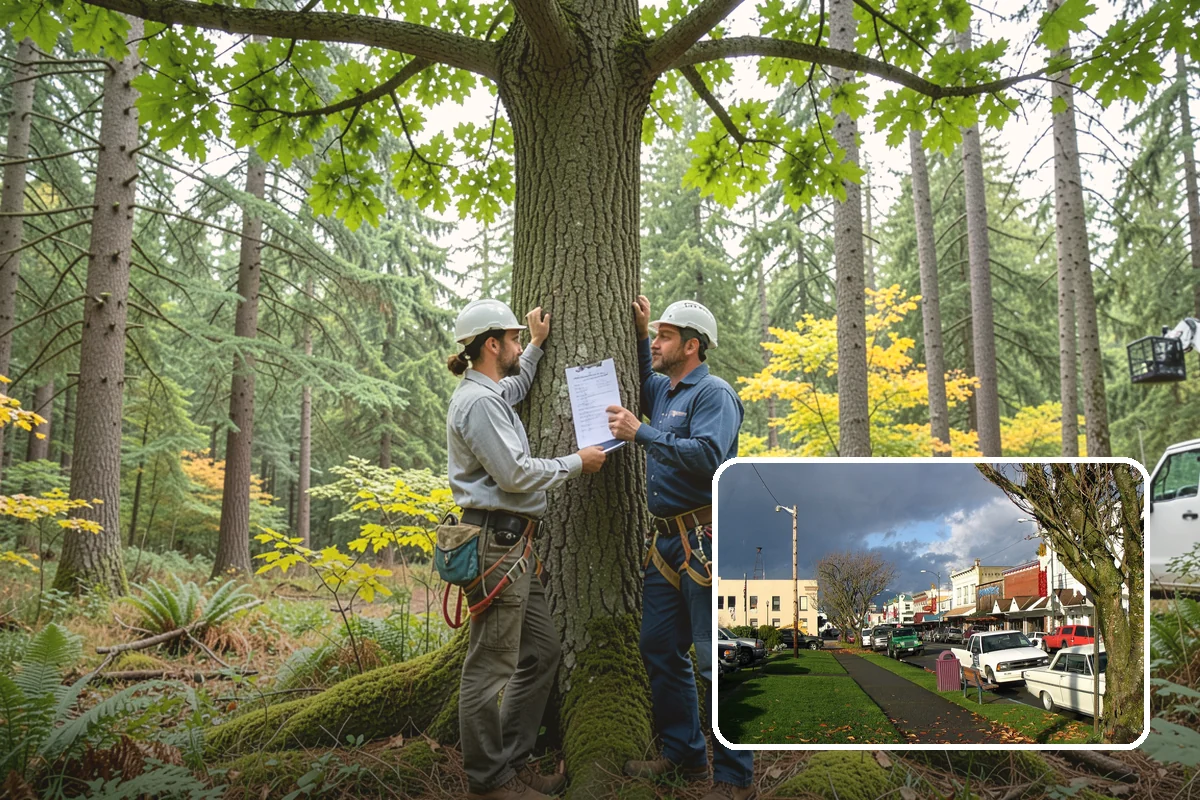
Certified Arborist Reports Serving Arlington
Arlington
A city on the Stillaguamish River in north Snohomish County near the Cascade foothills.
Growing Conditions in Arlington

Permits & Local Notes for Arlington
Certified arborist reports in nearby areas
Also serving Arlington
- Erosion Control in Arlingtonat Washington Landscaping