
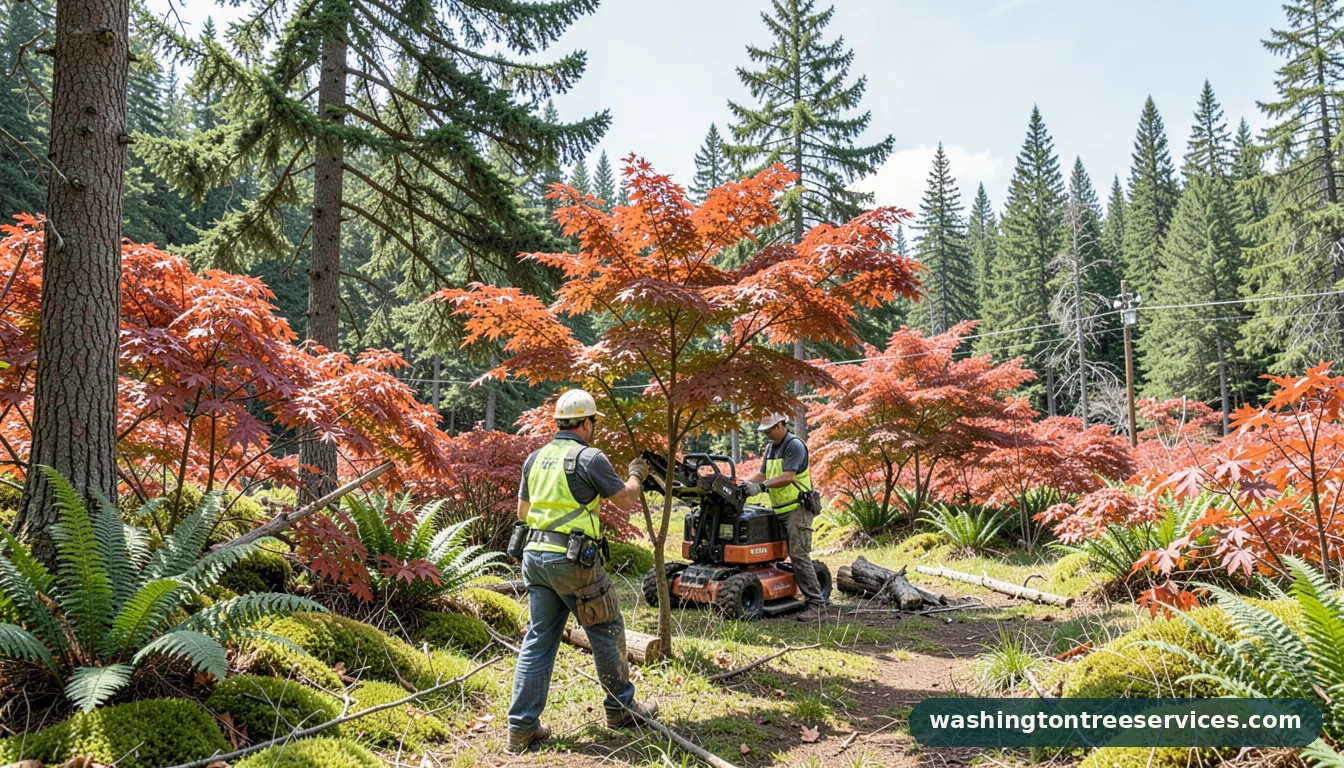
Japanese maples are stunning additions to any landscape, but they require regular maintenance to thrive. One crucial aspect of their care is pruning, which can be a bit confusing, especially for beginners. In this guide, we’ll explore the best time to trim Japanese maple trees, addressing common concerns and providing expert advice from Washington Tree Services.
What's Happening
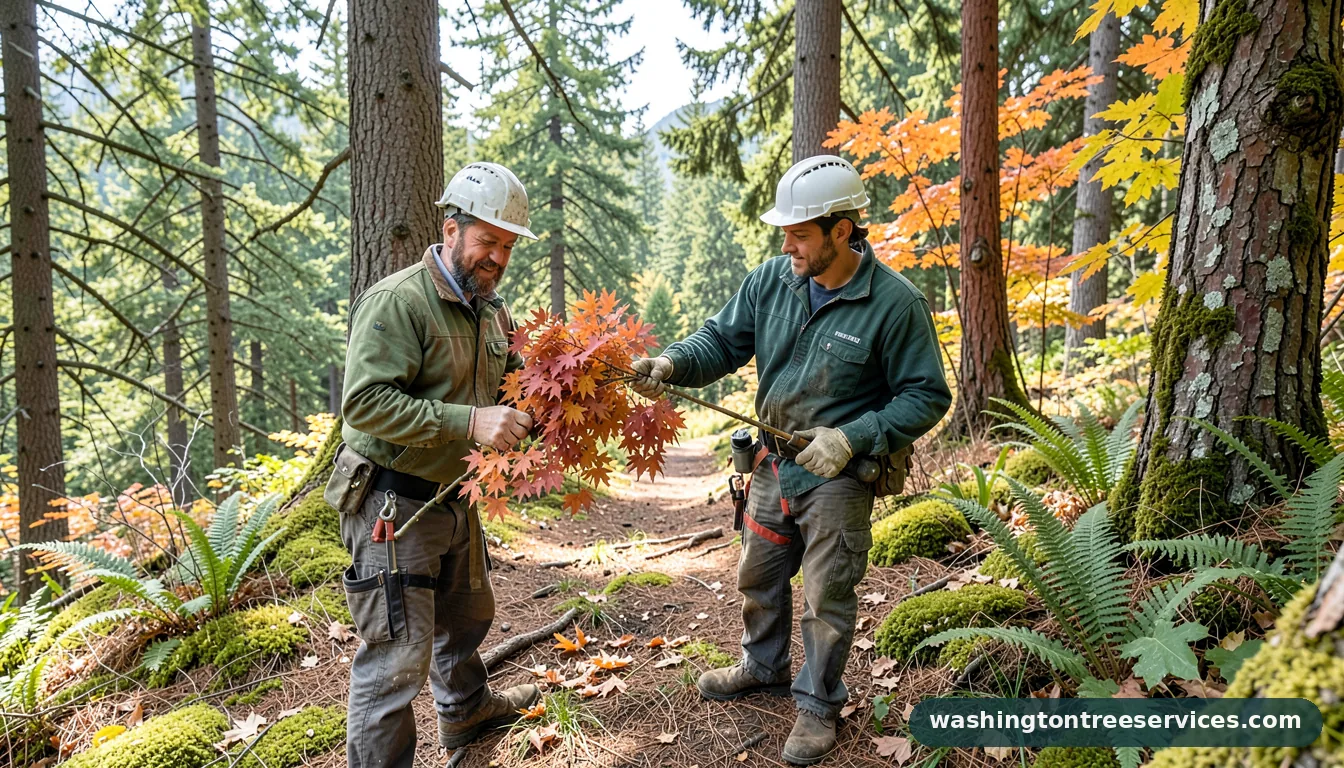
Japanese maples typically require regular pruning to maintain their shape, promote healthy growth, and encourage stunning fall colors. However, improper pruning can cause more harm than good, leading to disease, pest infestations, or even death.
Likely Causes of Pruning Concerns
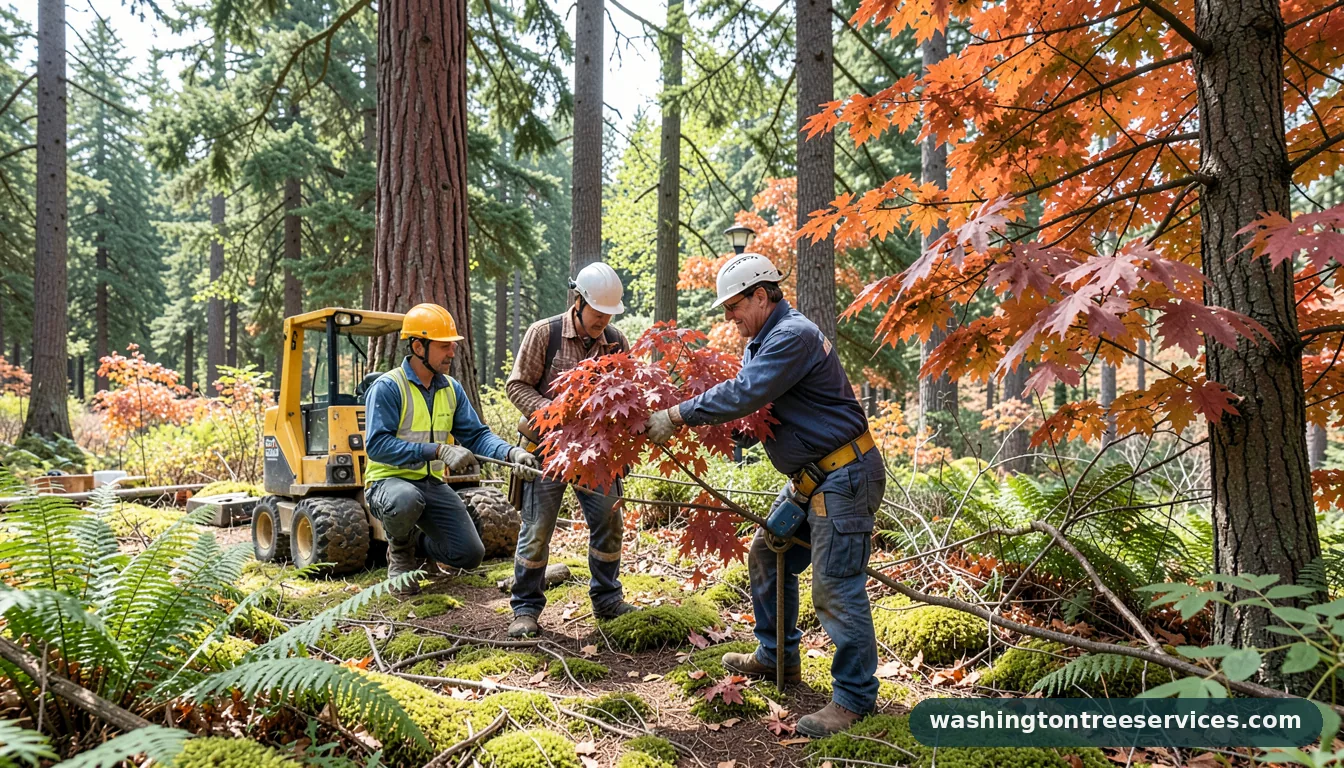
The main reasons for pruning Japanese maples include maintaining a desired shape, controlling size, removing dead branches, and encouraging new growth.
Available Options for Pruning
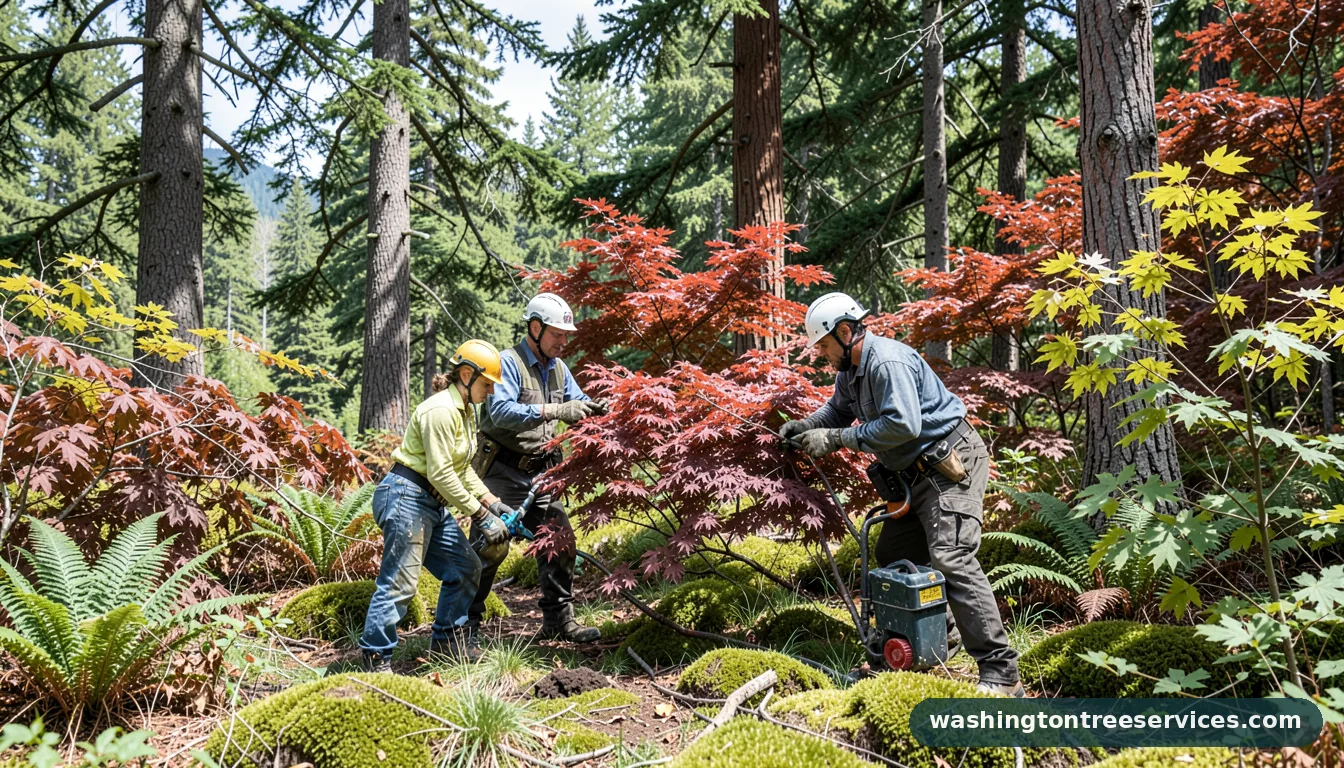
There are several pruning techniques to choose from, including thinning, reduction, and rejuvenation. Each method serves a specific purpose and requires careful consideration based on the tree’s condition and needs.
Risks and Safety Considerations
Pruning Japanese maples can be hazardous, especially when working with tall trees or using heavy equipment. It’s essential to take necessary safety precautions, such as wearing protective gear and ensuring proper ladder usage.
Contact Washington Tree Services today for expert pruning advice and services tailored to your Japanese maple tree's unique needs.
Related Washington Tree Services
Learn more about tree trimming and pruning or contact Washington Tree Services.
Related Washington Tree Services
Learn more about all tree services or contact Washington Tree Services.
Request an estimate for a site-specific assessment.