
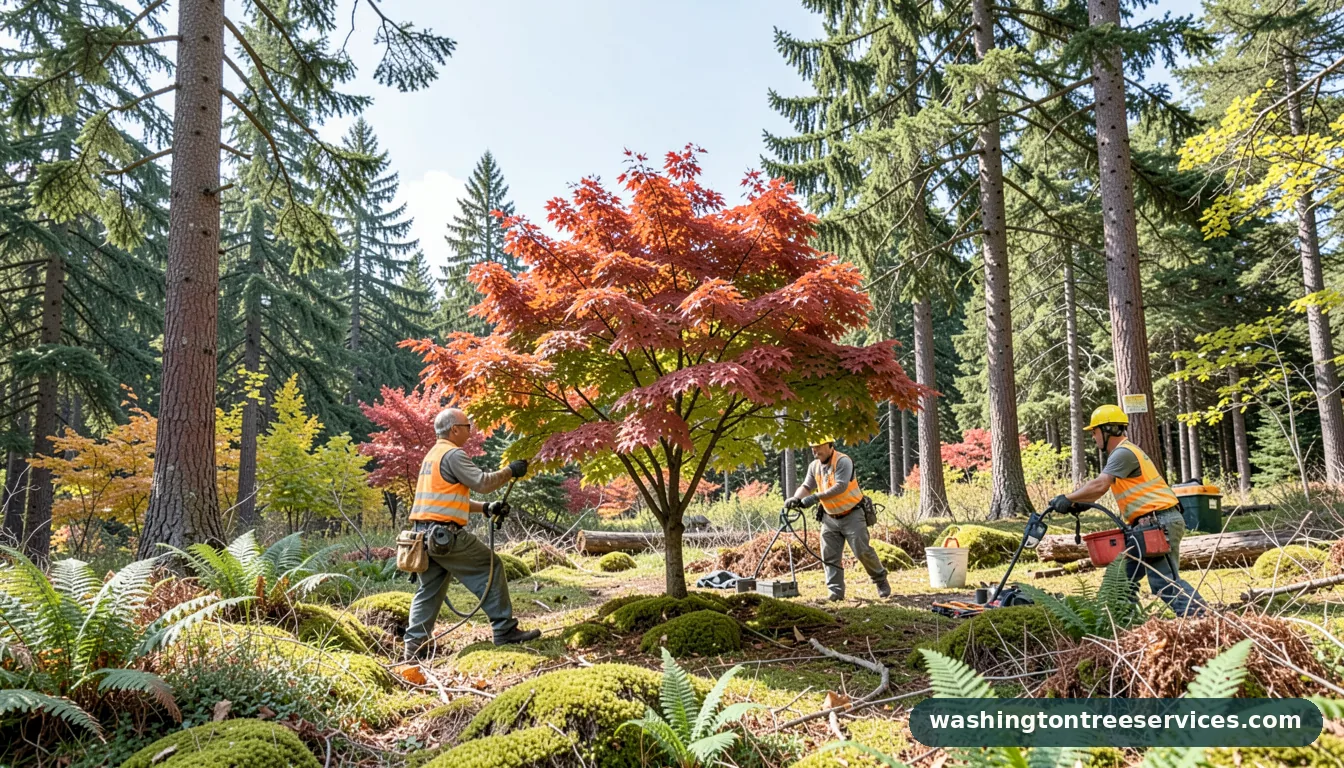
Pruning a Japanese maple requires careful consideration to avoid damaging this delicate and beautiful tree. Understanding when to prune is crucial in maintaining its shape, promoting healthy growth, and preventing potential problems.
Timing for Pruning
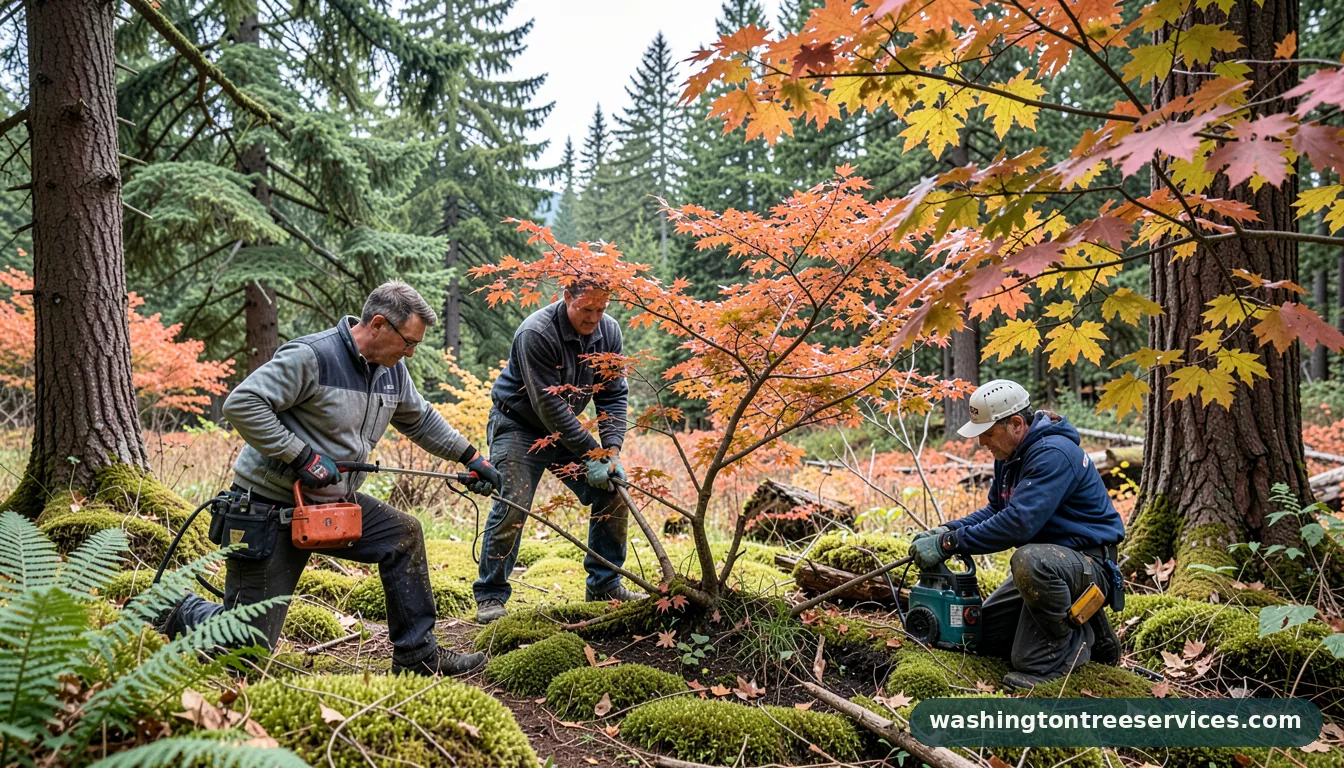
Japanese maples typically require pruning during specific times of the year. Spring and summer are ideal for pruning new growth, while fall is best for removing dead or diseased branches. Avoid pruning in winter, as this can cause stress to the tree.
Pruning Techniques and Common Mistakes
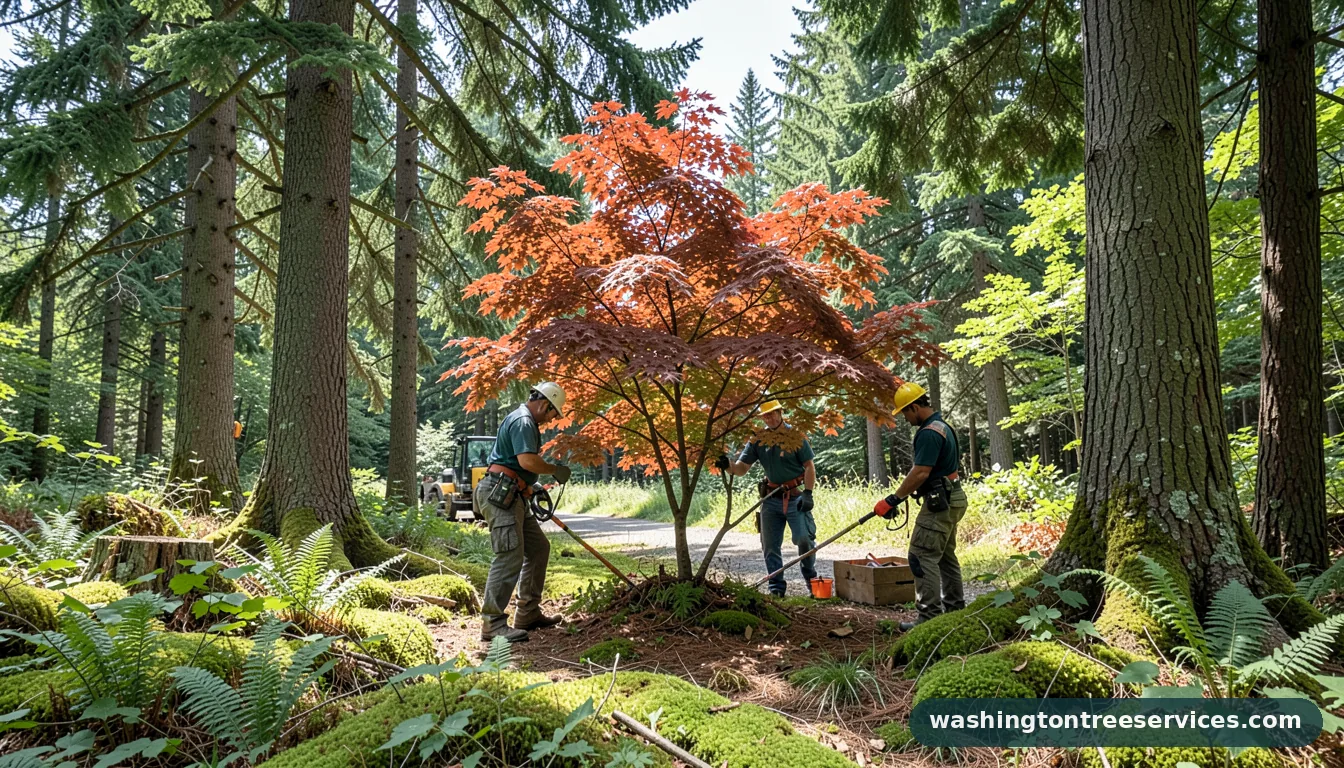
When pruning your Japanese maple, it’s essential to use proper techniques to avoid damaging the tree. Cut just above a growth node, making clean cuts with sharp tools. Be cautious of over-pruning, as this can lead to disease or pest issues.
Warning Signs and When to Seek Professional Help
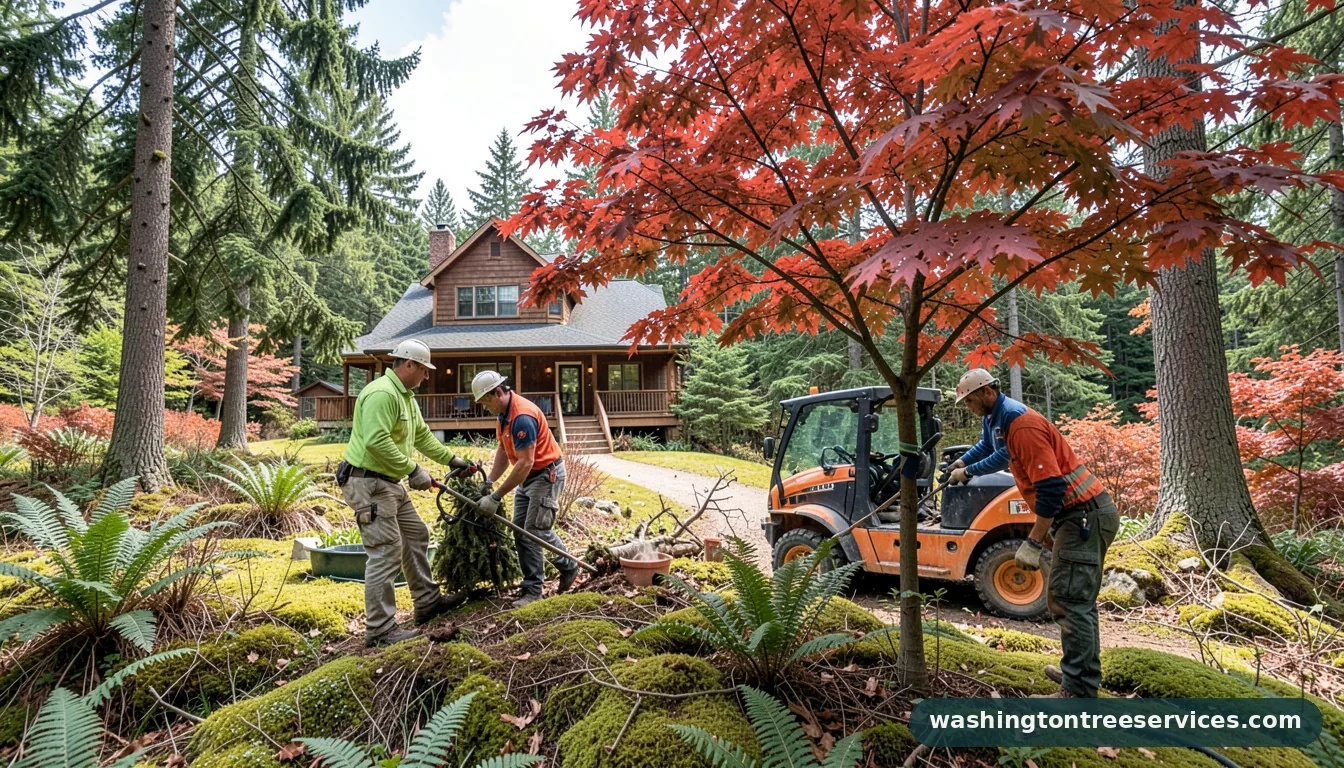
If you notice signs of disease, pests, or damage on your Japanese maple, it’s best to consult a arborist for guidance. They can assess the tree’s condition and provide personalized recommendations for pruning and care.
Site Assessment and Pruning Plan
Before pruning your Japanese maple, consider factors such as its location, surrounding structures, and potential hazards. A thorough site assessment will help our team develop a customized pruning plan tailored to your tree’s specific needs.
Contact us today to schedule a consultation with one of our experienced arborists and learn more about how we can help you prune your Japanese maple safely and effectively.
Related Washington Tree Services
Learn more about tree trimming and pruning or contact Washington Tree Services.
Related Washington Tree Services
Learn more about all tree services or contact Washington Tree Services.
Request an estimate for a site-specific assessment.